IVORY DENTAL PTE LTD

ROUTINE & PREVENTIVE DENTAL CARE

Children Dentistry

Many adults experience dental anxiety rooted in unpleasant childhood experiences—whether from intimidating school dental visits or painful treatments. At Ivory Dental, we believe it’s essential for children to have positive dental experiences early on. Our goal is to make every visit comfortable, reassuring, and even enjoyable for both you and your child.

Why Should Children Visit the Dentist Early?

Children are more prone to dental issues such as tooth decay and cavities due to developing motor skills and oral hygiene habits. Most toddlers and young children under six may not yet have the coordination needed for effective brushing, leading to insufficient cleaning. Additionally, feeding practices such as prolonged bottle use or exposure to sugary foods can accelerate bacterial growth, resulting in tooth decay.

Maintaining good oral health from an early age helps prevent these issues and supports the healthy development of permanent teeth.

The Importance of Baby Teeth

Although baby (primary) teeth will eventually be replaced by adult teeth, they play a crucial role in your child’s oral development. Baby teeth act as natural space holders for permanent teeth, aiding proper alignment and facial structure. Premature loss of these teeth may cause misalignment or crowding as adult teeth emerge.

Healthy baby teeth are also vital for proper chewing, speech development, and facial appearance. Encouraging good oral hygiene from a young age promotes better eating habits and sets the foundation for a healthy, confident smile in adulthood.

How Often Should a Child Visit the Dentist?

Toddlers (0-3 years)
The first set of teeth begins to emerge, usually from the front to the back of the mouth.

Pre-schoolers: 4-6 years old
Permanent teeth start to develop beneath the gums, gradually dissolving the roots of baby teeth. This natural process—known as exfoliation—leads to the gentle loosening and eventual loss of primary teeth.

School-age children: 7-12 years old
Exfoliation continues as permanent teeth replace baby teeth. By around age 12 or 13, most children will have their full set of permanent teeth.

When Should My Child Have Their First Dental Check-Up?

The Singapore Pediatric Dentistry Society recommends that children visit the dentist for their first check-up within their first year of life.

During this initial visit, the dentist will assess your child’s oral health and provide personalized advice on home care routines to prevent decay. The dentist will also recommend how frequently your child should return for check-ups, based on their specific oral health needs.

Preparing Your Child for Dental Treatment

What to Expect During Your Child’s First Visit
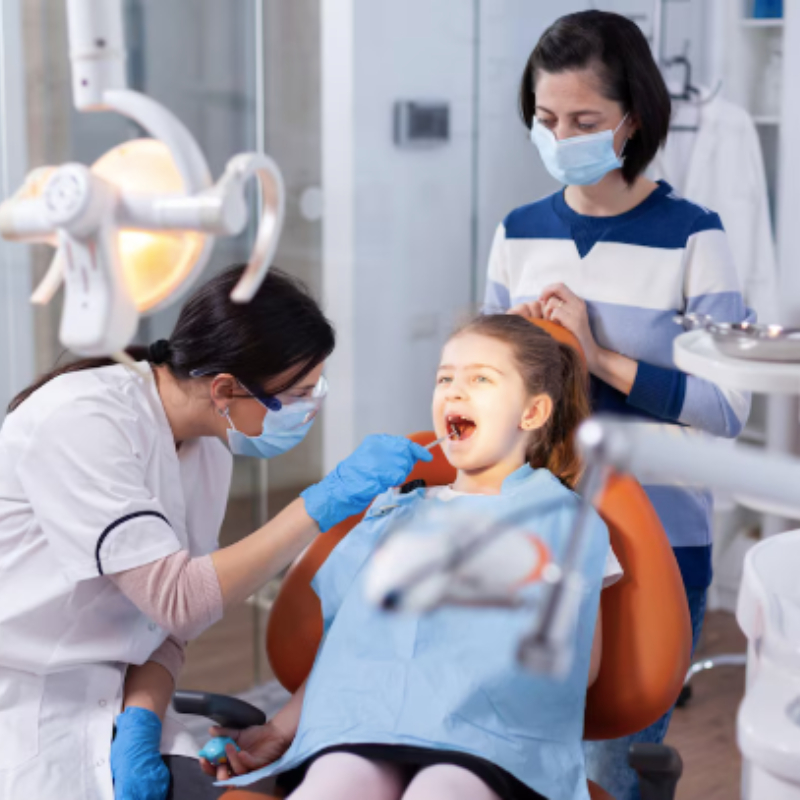
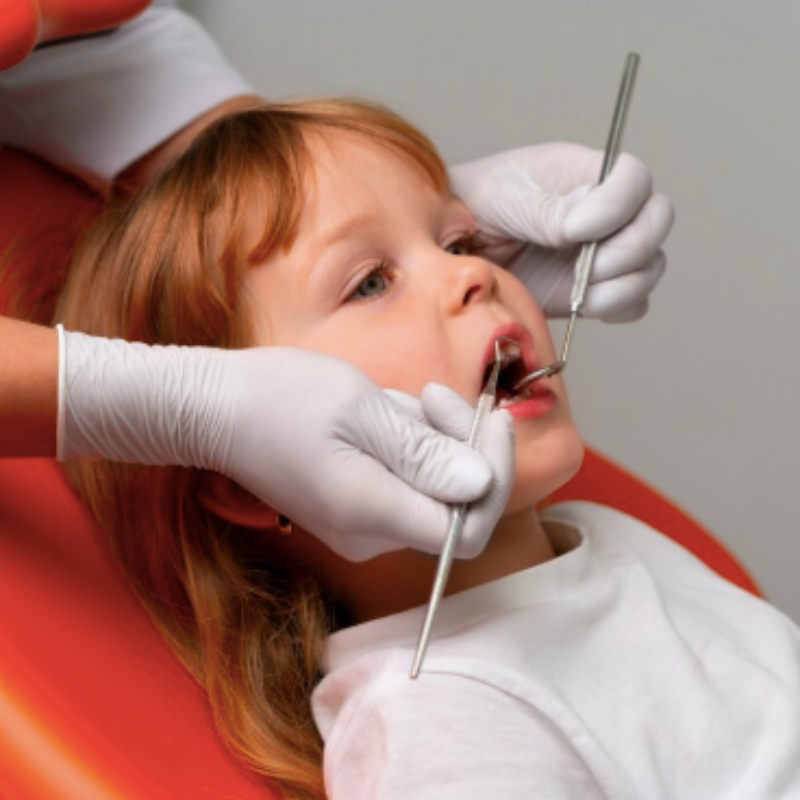
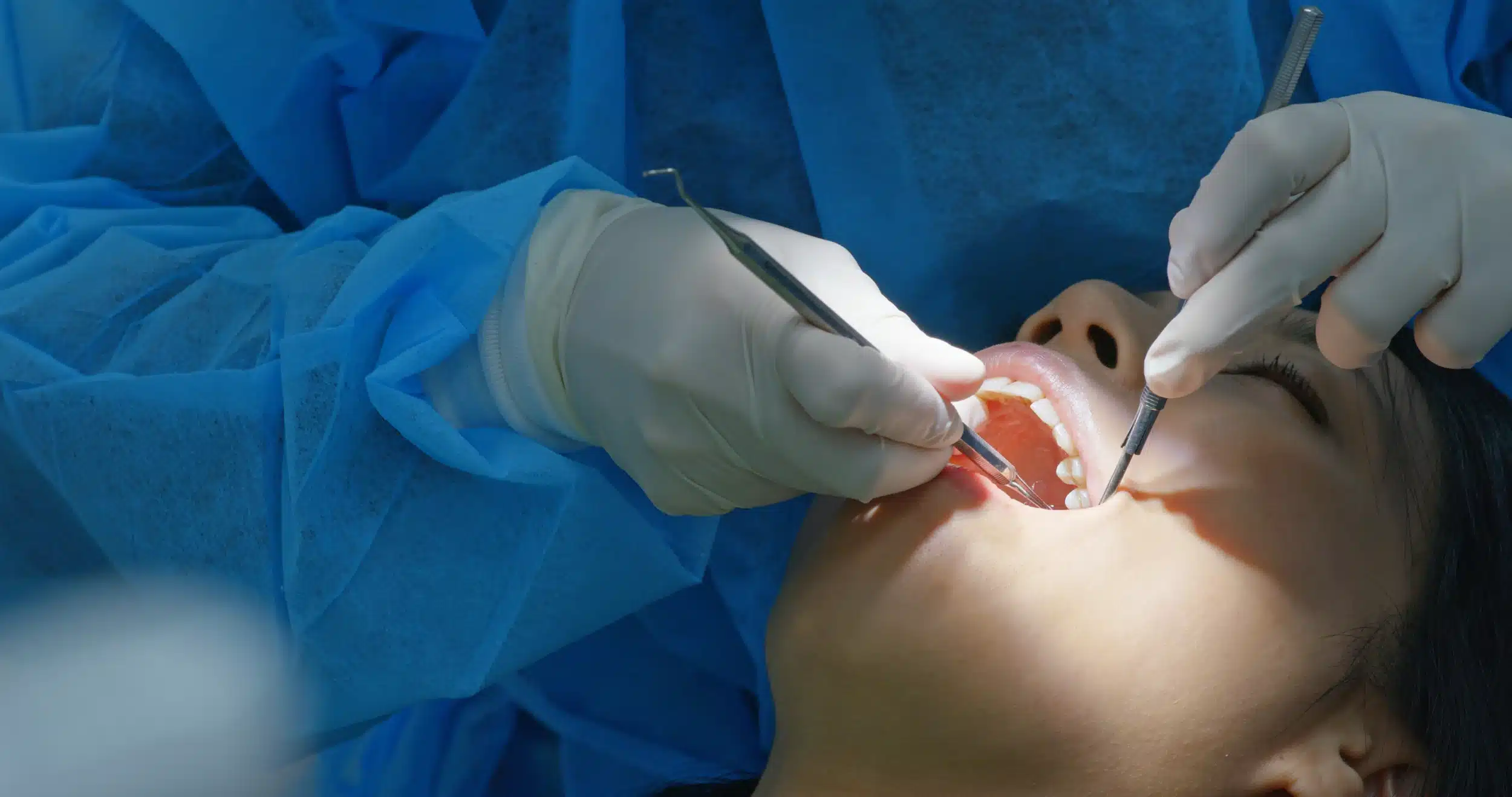
Our dentists are experienced in working with children and strive to make every visit a positive one. We begin by building rapport—chatting with your child to help them feel at ease in a new environment. At our Punggol clinic, we also have a dedicated play area and picture books to keep little ones entertained while they wait.

It’s perfectly normal for children to feel nervous about dental treatment, especially during their first few visits. With patience, reassurance, and familiarity, most children become more comfortable over time.

Tips for Preparing Your Child for a Dental Visit
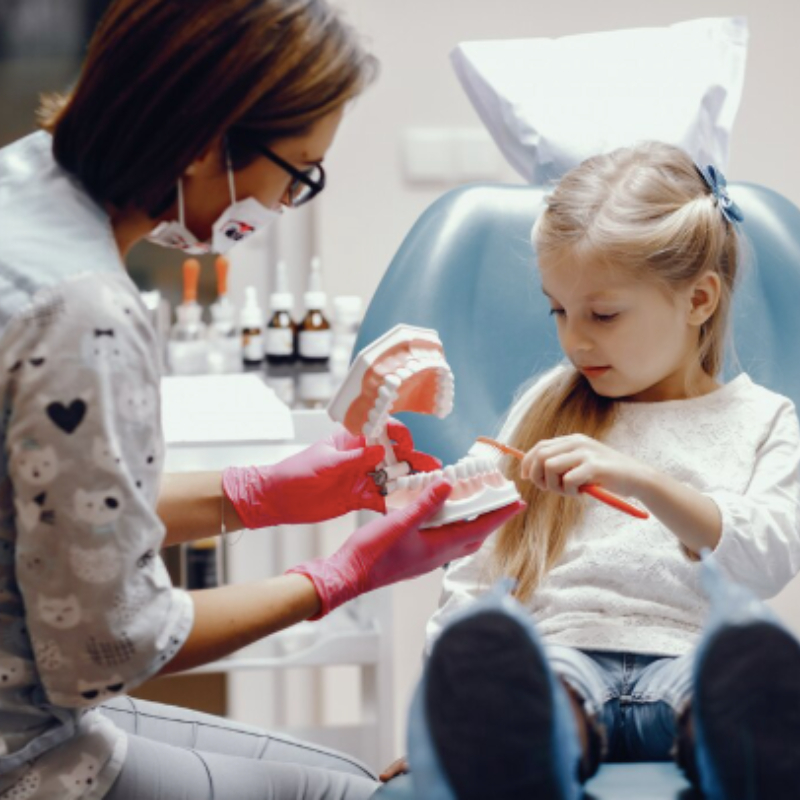
Parents can help by introducing the idea of dental visits in a fun and relaxed way. Reading picture books about going to the dentist can help children understand what to expect. Since children are very perceptive, it’s best not to overemphasize the visit or portray it as something to worry about. Instead, present it as a normal outing—just like going to the supermarket or the park.

Before starting any treatment, our dentist will take the time to explain to your child—using simple and reassuring language—why dental care is important and how taking care of their teeth helps them feel better and stay healthy.

Common Dental Restoration And Treatments For Children

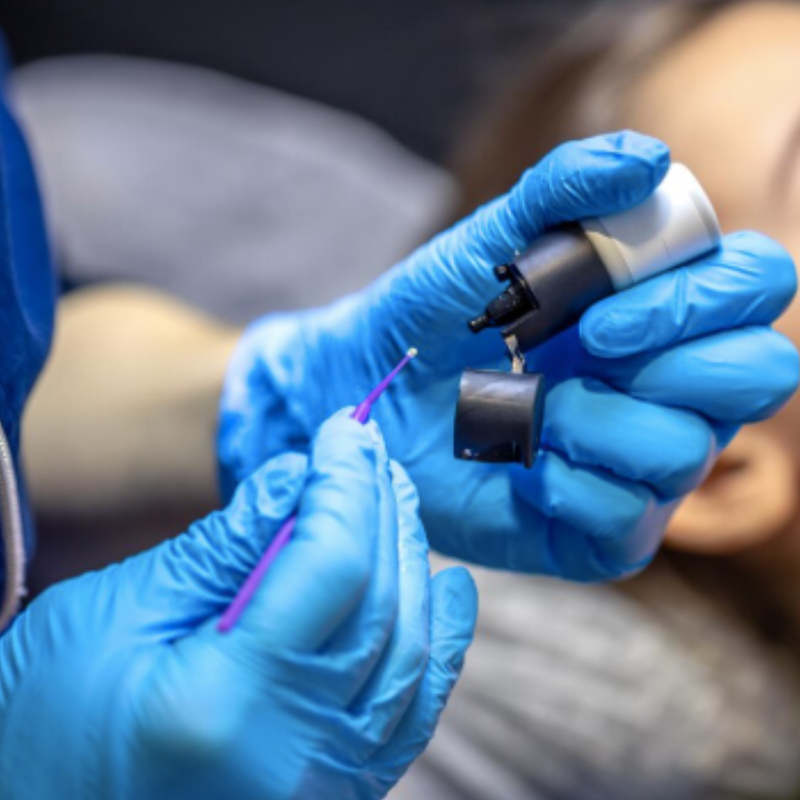
Fluoride Treatment
Strengthens tooth enamel and helps prevent decay.

Dental Sealant
Covers deep grooves to stop food and bacteria buildup.

Dental Fillings
Repairs cavities and restores tooth strength.

Tooth Extractions
Removes teeth that are too damaged to be saved.

Stainless Steel Crowns
Protects and supports weakened baby teeth for proper chewing.

How can you take care of your child's teeth?

Oral Hygiene Tips (Below 7 Years Old)
Clean your baby’s gums with a soft cloth before teeth erupt. When teeth appear, use a soft toothbrush with a pea-sized amount of fluoride toothpaste. Parents should assist with brushing until children can brush and spit properly.

Oral Hygiene Tips (7 Years and Above)
Use a soft toothbrush and a small amount of non-fluoridated toothpaste until about age 7–8. Once gaps close, introduce flossing—floss holders can help. Encourage brushing and flossing twice daily under supervision.

Thumb Sucking
Common in young children, but if it continues beyond age 4, it can affect tooth and jaw alignment.

Bottle Feeding and Breastfeeding
Avoid putting your child to bed with milk bottles or allowing prolonged nighttime nursing to prevent tooth decay. Clean your baby’s teeth or gums after feeding.

At Ivory Dental Care, we provide gentle, caring, and patient-centered dental care to help children build healthy smiles for life.

After Treatment

Follow up visit
After treatment, our dentist will advise parents on follow-up care and schedule future visits to help prevent tooth decay.

Encouraging Good Oral Habits
Good oral health starts at home. Our dentists teach proper brushing and oral care techniques so children can maintain healthy teeth as they grow.

How can you take care of your child’s teeth?

Oral Hygiene Tips (Below 7 Years Old)
Clean your baby’s gums with a soft cloth before teeth erupt. When teeth appear, use a soft toothbrush with a pea-sized amount of fluoride toothpaste. Parents should assist with brushing until children can brush and spit properly.

Oral Hygiene Tips (7 Years and Above)
Use a soft toothbrush and a small amount of non-fluoridated toothpaste until about age 7–8. Once gaps close, introduce flossing—floss holders can help. Encourage brushing and flossing twice daily under supervision.

Thumb Sucking
Common in young children, but if it continues beyond age 4, it can affect tooth and jaw alignment.

Bottle Feeding and Breastfeeding
Avoid putting your child to bed with milk bottles or allowing prolonged nighttime nursing to prevent tooth decay. Clean your baby’s teeth or gums after feeding.

At Ivory Dental Care, we provide gentle, caring, and patient-centered dental care to help children build healthy smiles for life.

Frequently Asked Question

Is there any government subsidy for my child’s dental treatment?

Parents can use the Baby Bonus or their child’s CDA account to help offset the cost of dental treatments.

The Singapore Pediatric Dentistry Society recommends bringing children for their first dental visit before 12 months old. During the visit, the dentist will assess your child’s oral health and provide guidance on preventive home care to avoid tooth decay.

Introducing dental visits early helps children form positive associations with dental care. If their first visit happens only when they are in pain, the experience can create fear and anxiety toward future appointments. Early visits allow children to see dental checkups as a fun, comfortable routine and help establish lifelong oral care habits.

Dentists can also discuss diet and oral hygiene tips to protect baby teeth and reduce the chances of cavities or the need for complex treatments later on.

Since each child’s situation is unique, it’s best to consult a dentist for an examination and guidance on managing the erupting teeth.

Early signs of decay may appear on the upper front teeth as brown spots, chalky white areas, or small holes. Parents are encouraged to gently lift their child’s upper lip to check for these signs and visit a dentist for proper assessment and care if any are noticed.