 Blk 471B Yishun Street 42, #01-02, Singapore 762471
Extractions

INCISION AND DRAINAGE (MEDISAVE CLAIMABLE)
A minor oral surgical procedure performed to treat a dental abscess or localized infection in the mouth. An abscess occurs when pus builds up due to bacterial infection, causing swelling, pain, and inflammation in the gums, tooth, or surrounding tissues. If left untreated, the infection can spread and lead to more serious complications.
Dental Abscess and Localized Infection
A dental abscess is a pocket of pus that forms inside the teeth, gums, or surrounding bone due to a bacterial infection. It usually develops when bacteria enter the tooth through decay, cracks, or gum disease, leading to an accumulation of infection at the root of the tooth or in the gum tissue. A localized infection, on the other hand, refers to an infection that is confined to one area in the mouth such as around a single tooth or gum pocket without spreading to nearby tissues or other parts of the body.

Control of Infection
Control of infection is a crucial part of managing a dental abscess and ensuring successful healing after an incision and drainage (I&D) procedure. The main goal is to eliminate bacteria, prevent the spread of infection, and promote tissue recovery.
Antibiotics are often prescribed before or after the procedure to control bacterial infection and prevent its spread. The patient should complete the full course of medication even if symptoms improve.
How Are Incision And Drainage done?
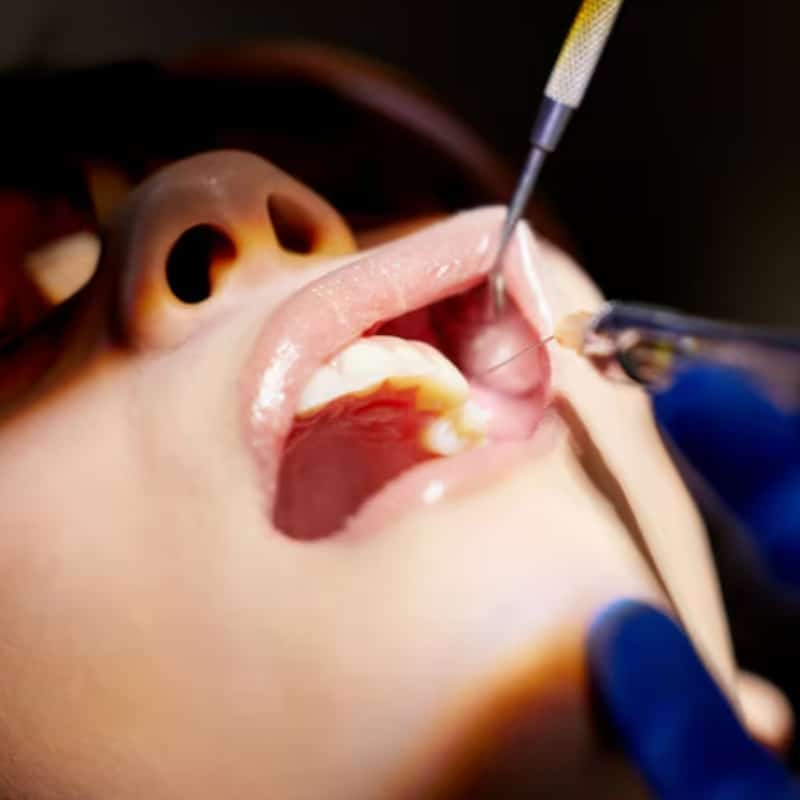
The procedure begins with a clinical examination and dental X-ray to determine the location and extent of the infection. Once identified, the dentist or oral surgeon administers a local anaesthetic to numb the affected area and ensure patient comfort. After the area is fully numb, the dentist makes a small incision in the swollen or infected area using sterile instruments to allow the pus to drain out. This drainage helps reduce pain, pressure, and bacterial buildup.
In some cases, a small rubber drain or tube is inserted into the incision to keep it open for a day or two, ensuring continuous drainage and preventing pus from reaccumulating. The dentist then cleans and irrigates the area with an antiseptic solution to remove debris and bacteria.
After the procedure, antibiotics and pain relievers are usually prescribed to control infection and discomfort. Patients are advised to maintain good oral hygiene, avoid touching the area, and follow post-operative care instructions, such as rinsing with warm salt water. Healing typically occurs within a few days, and a follow-up visit ensures that the infection has fully cleared and normal tissue recovery is underway.
Frequently Asked Question
What is Incision and Drainage (I&D)?
Incision and Drainage is a minor oral surgical procedure used to treat a dental abscess or localized infection. It involves making a small cut in the infected area to release pus and relieve pressure, which helps reduce pain, swelling, and promotes faster healing.
Is Incision and Drainage painful?
The procedure is not painful, as it is performed under local anaesthesia to numb the affected area. Patients may feel slight pressure during the process but no sharp pain. After the anaesthesia wears off, mild discomfort or tenderness may occur, which can be easily managed with prescribed pain relievers.
How long does it take to heal after I&D?
Most patients experience significant relief within a few days, and full healing typically occurs within one to two weeks, depending on the severity of the infection and overall oral health. Proper oral hygiene and medication compliance help ensure faster recovery and prevent reinfection.
Do I need antibiotics after the procedure?
Yes, in most cases, antibiotics are prescribed after Incision and Drainage to control the infection and prevent it from spreading. It is important to complete the full course of antibiotics as directed by the dentist, even if symptoms improve, to ensure complete elimination of bacteria.