ADVANCED RESTORATIVE & COSMETIC DENTISTRY
Crowns and Bridges
Beyond strengthening a damaged tooth, dental crowns and bridges can enhance your smile by improving the tooth’s appearance, shape, alignment, and bite (dental occlusion). Broken or worn-down teeth are often weak and at risk of further damage, while gaps from missing teeth may cause surrounding teeth to shift. Crowns and bridges help prevent these problems and restore both function and aesthetics.
When do I need dental crowning?
You may need a dental crown for the following reasons:
- When a large filling is required but insufficient natural tooth structure remains for support
- To strengthen a weakened tooth and prevent fractures
- To repair a fractured tooth
- To cover a dental implant
- To improve the appearance of a discoloured or misshapen tooth
- To protect a tooth after root canal treatment
- To hold a dental bridge in place
Procedure for Dental Crowns and Bridges
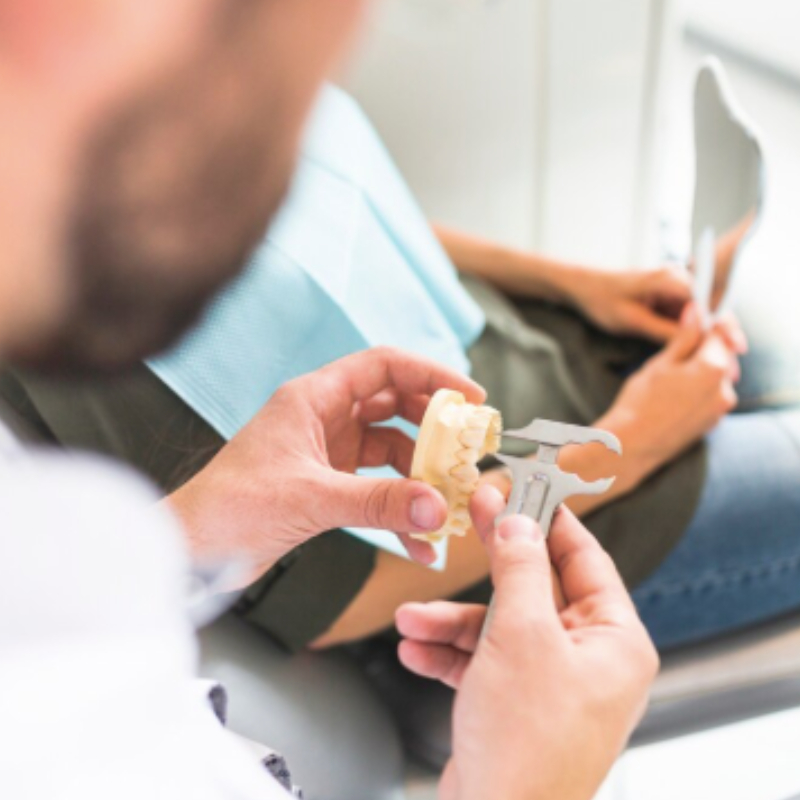
During the first visit, your dentist will examine and prepare the tooth (or teeth) for crowning and take impressions to ensure a precise fit for your custom-made crown or bridge. A temporary crown or bridge will be placed to protect your teeth while the permanent restoration is being fabricated.
In the second visit, once your permanent crown or bridge is ready, the temporary one will be removed, and your dentist will securely fit and cement the new custom-made restoration in place.
First Appointment – Tooth Preparation
X-Ray
An X-ray of your tooth and jawbone is taken to check for decay or damage. In some cases, root canal treatment may be necessary before placing the crown or bridge.Anaesthetic Administration
Local anaesthesia is applied to numb the tooth and surrounding gums, ensuring a comfortable and painless procedure.Tooth Shaping
The dentist carefully trims and shapes the tooth (or teeth) to make room for the crown or bridge.Taking an Impression
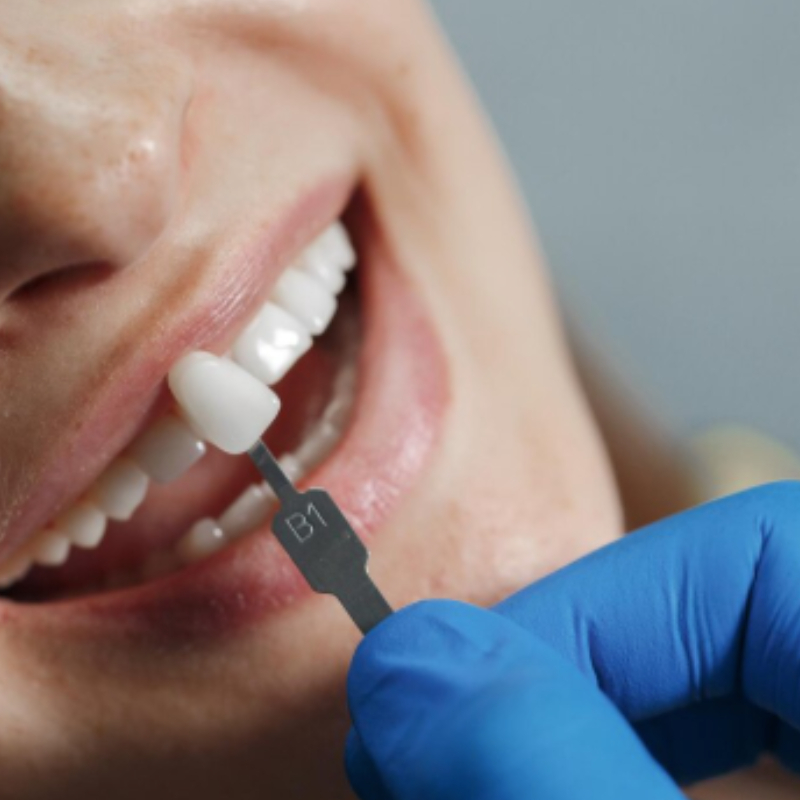
A dental impression is taken using a soft paste to capture the exact shape of your teeth. This impression is used to create both your temporary and permanent crowns or bridges. Your dentist will also help select a shade that matches your natural teeth.Temporary Crown/Bridge Placement
While your permanent restoration is being crafted at the lab (which usually takes about three weeks), a temporary crown or bridge is placed to protect your teeth and maintain alignment.Appointment Scheduling
A second appointment is scheduled for fitting and cementing your permanent crown or bridge.
Second Appointment – Permanent Placement
Temporary Fitting Removal
The temporary crown or bridge is removed, and any remaining cement is cleaned off the tooth.Fit and Appearance Check
The permanent crown or bridge is tested for proper fit, bite, and colour. If adjustments are needed, the dentist will refine the shape for optimal comfort and aesthetics.Cementing the Crown/Bridge
Once the fit is confirmed, the restoration is cemented in place. Excess cement is cleaned, and the result is a strong, natural-looking tooth restoration.
Types Of Dental Crowns
At Ivory Dental, we offer a range of materials for dental crowns:
Metal Crowns
Made from precious metal alloys such as gold or titanium, these crowns are exceptionally durable and long-lasting. Their metallic appearance makes them ideal for less visible molars that require strength for chewing.
Porcelain-Fused-to-Metal Crowns
A popular choice that combines a metal base with a porcelain exterior. These crowns match the colour of natural teeth, though the porcelain surface can sometimes chip, revealing the metal underneath.
All-Ceramic / All-Porcelain Crowns
The best aesthetic option, especially for front teeth. These crowns provide the most natural colour and translucency, closely resembling real teeth for a beautiful, lifelike appearance.
Frequently Asked Question
Am I Suitable For Dental Crowning and Bridging?
A detailed dental examination is required to determine if this treatment is suitable for you.
Do Dental Crowns and Bridges Last Forever?
No. While they are durable, crowns and bridges experience wear over time and may need replacement after five to ten years, depending on your oral hygiene and habits.
Can Teeth Decay Under a Crown?
Yes. The natural tooth beneath the crown remains susceptible to decay. If a cavity forms, the crown must be removed so the affected tooth can be treated.
How Will I Know If My Dental Crown Needs To Be Replaced?
You should schedule a dental check-up if you notice any of the following:
- Your bite feels uneven or misaligned
- You experience discomfort, pain, or sensitivity around the crowned tooth
- Your crown appears damaged or has been in place for many years
What Is The Difference Between a Dental Crown and a Dental Bridge?
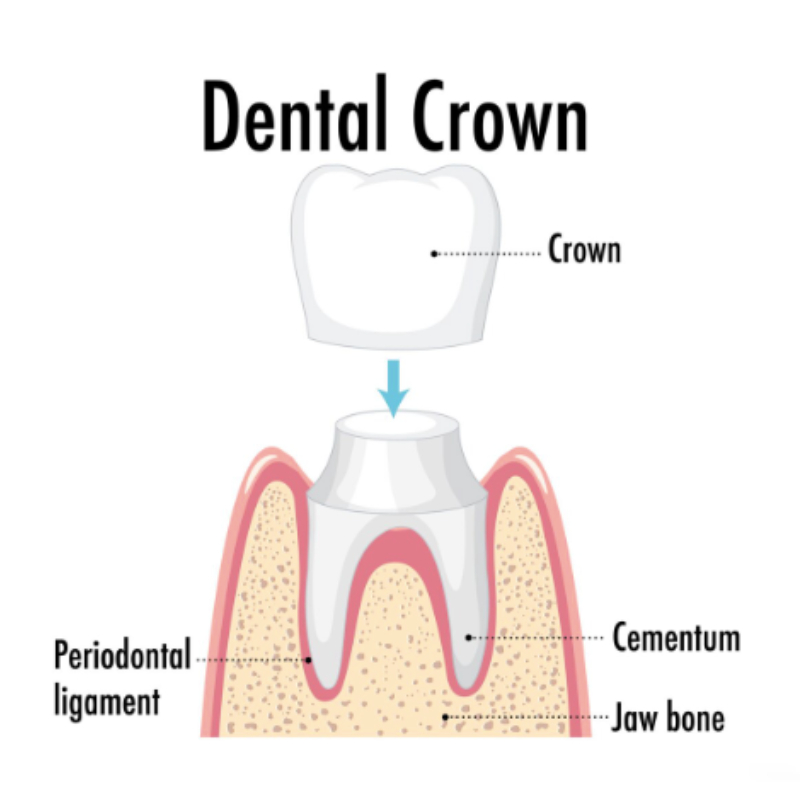
A dental crown is a cap that covers a damaged or decayed tooth to restore its strength, shape, and appearance.
A dental bridge, on the other hand, replaces one or more missing teeth by anchoring to adjacent natural teeth or implants.