RESTORATIVE & SURGICAL DENTAL TREATMENTS
Root Canal Treatment
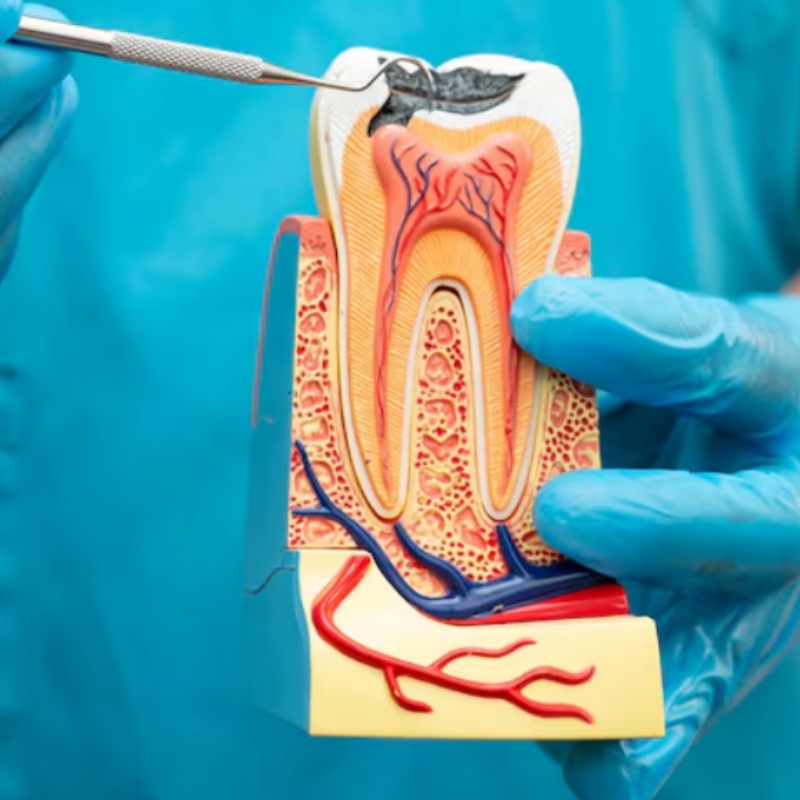
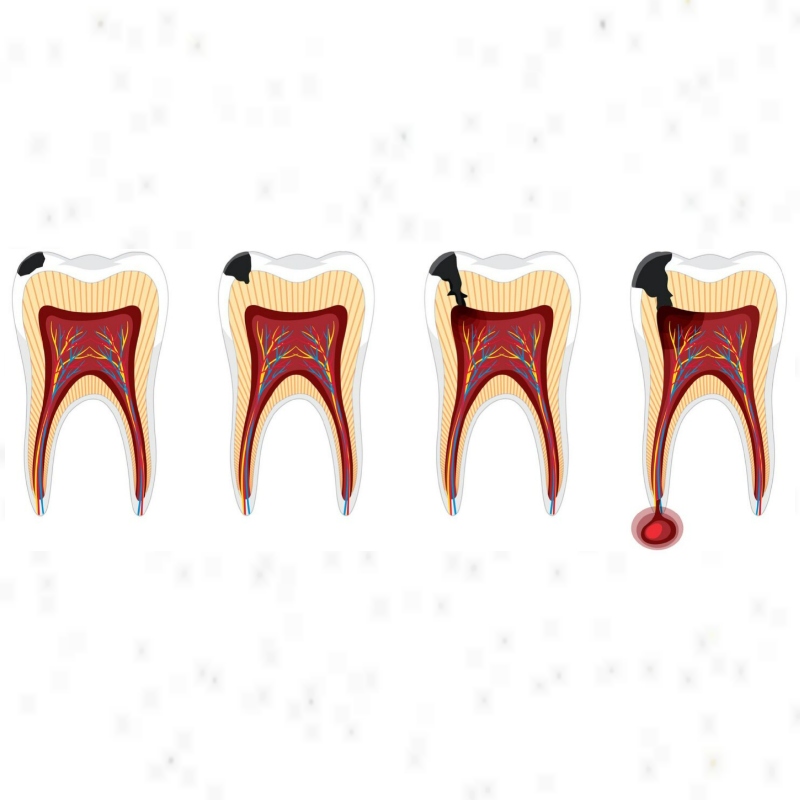
A root canal is a modern, safe, and nearly painless dental procedure that saves an infected or badly decayed tooth without removing it. It involves cleaning out the infected pulp, disinfecting the tooth, and sealing it to prevent further infection or pain.
When Is Root Canal Needed?
You may need a root canal if you experience:
- Persistent tooth pain or sensitivity
- Deep decay or infection
- Cracked or chipped teeth
- Gum abscess or swelling
- Tooth discolouration
Even if there’s no pain, infection can still spread to the jaw or other parts of the body if untreated.
How the Procedure Works
- Anaesthesia – The area is numbed for comfort.
- Isolation – A dental dam keeps the tooth clean and dry.
- Access – A small opening is made to reach the pulp.
- Cleaning – Infected tissues are removed and disinfected.
- Filling – The canals are sealed with a material called gutta percha.
- Temporary Seal – The tooth is covered until permanent restoration.
Aftercare & Recovery
Mild pain or swelling may occur for a few days. The dentist may prescribe medication and later replace the temporary filling with a permanent one once the tooth heals.
Because the treated tooth may be weakened, placing a dental crown is recommended to restore full strength and function.
Frequently Asked Question
Is Root Canal Treatment Painful?
With modern dental technology and anaesthesia, root canal treatments are generally painless. The discomfort caused by infection before treatment is often much worse than the procedure itself.
You may feel mild soreness or sensitivity for a few days afterward—this is normal and temporary. Avoid hard or crunchy foods until your tooth fully recovers or your crown is placed. If pain or swelling persists, contact your dentist promptly.
How Long Does a Root Canal Take?
A root canal typically takes about an hour. Depending on the tooth’s condition and complexity, treatment may require one or more visits for cleaning, sealing, and restoration.
Should I Choose a Root Canal or a Dental Implant?
While implants are a great solution for missing teeth, preserving your natural tooth with a root canal is often the better first option.
Root canals save the existing tooth structure and prevent potential implant complications, especially when bone or gum health is compromised.
Implants are best considered only when a tooth can no longer be saved. Keeping your natural teeth healthy helps maintain function and supports long-term oral health.