Blk 471B Yishun Street 42, #01-02, Singapore 762471
How often dental check up appointments should be scheduled depends on your oral health condition, medical history, and risk factors. When patients ask how often dental check up visits are truly necessary, dentists evaluate factors such as gum stability, cavity history, lifestyle habits, and systemic conditions before recommending a timeline. For most healthy adults, a visit every six months is appropriate, while individuals with gum disease, braces, diabetes, or smoking habits may require check-ups every three to four months for closer monitoring.
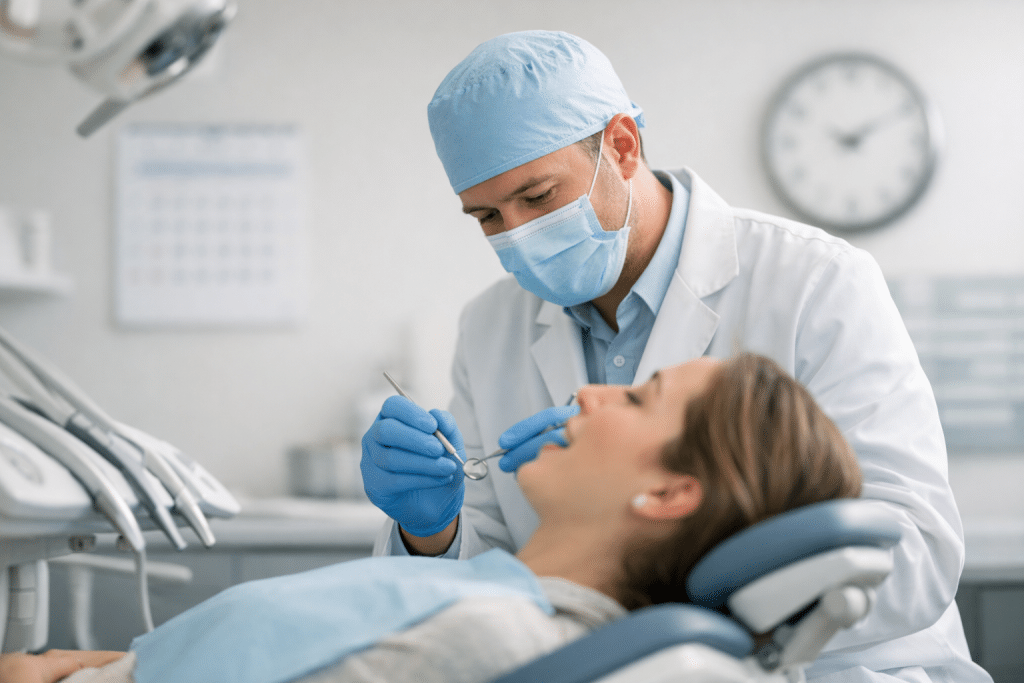
A dental check-up is not just a cleaning session. It is a preventive assessment that includes cavity detection, gum evaluation, oral cancer screening, and professional scaling to remove plaque and tartar that brushing cannot eliminate. Understanding how often dental check up visits are needed can significantly reduce the risk of costly restorative procedures and help maintain long-term oral stability.
In this guide, we break down frequency recommendations, research insights, real-life cases, and professional guidelines to help you make an informed decision about your ideal dental recall schedule.
Understanding the Purpose Behind How Often Dental Check Up Recommendations
Before discussing timing, it is important to understand why routine visits matter.
A structured dental check-up typically includes:
- Full oral examination
- Gum health evaluation
- Scaling and polishing
- X-rays (when necessary)
- Preventive counseling
Organizations like the Health Promotion Board emphasize preventive dental visits to reduce long-term oral disease risks.
Why Six Months Became the Standard
The six-month interval is based on:
- Average plaque accumulation rates
- Typical tartar formation timeline
- Early-stage cavity progression speed
- Gum inflammation development cycles
However, the answer to how often dental check up should be scheduled is not identical for everyone.
Pro Tip: Frequency is personalized. Risk level determines interval.
How Often Dental Check Up for Different Patient Groups
Understanding how often dental check up appointments should be scheduled depends largely on your individual risk profile, oral hygiene habits, and overall health condition. While general guidelines exist, personalized care ensures long-term oral stability and prevents complications before they become costly or painful.
1. Healthy Adults
Recommended: Every 6 months If you:
- Brush twice daily
- Floss regularly
- Have no history of gum disease
- Rarely develop cavities
Then twice-yearly visits are typically sufficient to maintain optimal oral health.
For healthy adults, routine check-ups focus on preventive care, professional scaling, and early detection of minor concerns such as enamel wear or small fillings that may need attention. Even if your teeth feel fine, plaque and tartar can accumulate in areas that brushing alone cannot reach. These biannual visits act as preventive maintenance rather than treatment sessions, helping you avoid more complex procedures later on.
2. Patients with Gum Disease
Recommended: Every 3–4 months
Gum disease can progress quietly without obvious pain. Shorter intervals allow dentists to closely monitor gum pocket depth, bleeding tendency, and signs of inflammation.
For individuals with gingivitis or periodontitis, the question of how often dental check up visits are needed becomes more critical. Bacteria below the gum line can repopulate within months after cleaning. More frequent periodontal maintenance helps control infection, stabilize bone support, and reduce the risk of tooth mobility or loss. Early intervention significantly improves long-term outcomes.
3. Children and Teenagers
Recommended: Every 6 months
Children benefit from:
- Early cavity detection
- Sealant evaluation
- Orthodontic growth monitoring
Developing teeth are more vulnerable to decay due to thinner enamel and dietary habits that may include sugary snacks. Regular dental visits also allow dentists to assess jaw development and identify early signs of alignment issues. Establishing consistent dental routines from a young age builds positive habits and reduces dental anxiety in adulthood.
4. Orthodontic Patients (Braces / Aligners)
Recommended: Every 3–6 months
Food particles and plaque accumulate more easily around brackets, wires, and aligner attachments. Even with diligent brushing, certain areas remain difficult to clean thoroughly.
More frequent dental monitoring ensures that decay does not form around orthodontic appliances. Dentists can also assess gum health and provide professional cleaning to prevent white spot lesions or staining. Preventive care during orthodontic treatment protects the long-term investment in your smile.
5. High-Risk Groups (Diabetics, Smokers, Pregnancy)
Recommended: Every 3–4 months
Systemic health significantly influences gum condition. Diabetes can impair healing and increase susceptibility to infection, while smoking reduces blood flow to the gums and masks early signs of inflammation. Hormonal changes during pregnancy may also heighten gum sensitivity and bleeding.
For these individuals, more frequent dental visits allow early management of inflammation and bacterial buildup before complications escalate. A proactive schedule not only protects oral tissues but also supports overall health stability.
Clinical Case Insight: Local Preventive Data Snapshot
Based on internal preventive review data from patients attending structured check-ups, several important patterns emerged:
- 37% had early gum inflammation without experiencing pain
- 29% had small cavities they were completely unaware of
- 14% required timely intervention that ultimately prevented the need for root canal treatment
These figures highlight a crucial reality: many dental problems develop silently. Gum inflammation in its early stage (gingivitis) may not cause discomfort, yet it can progress into periodontal disease if left untreated. Similarly, early enamel decay often produces no symptoms until it reaches deeper dentin layers.
When patients delayed their visits beyond 12 months, the data showed a clear shift in treatment complexity:
- Treatment costs increased by 40–60% on average
- Procedures became more invasive
- Recovery time was longer
This reinforces why understanding how often dental check up scheduling truly matters, not only medically, but financially. Preventive appointments allow dentists to detect microscopic changes before they escalate into structural damage. A simple filling is far less invasive than a root canal, and professional cleaning is significantly easier than managing advanced gum disease.
When patients clearly understand how often dental check up visits should be planned according to their risk profile, they are more likely to avoid emergency-based care and maintain stable long-term oral health.
Cost Comparison: Preventive vs Delayed Treatment
Below is a simplified comparison illustrating how early prevention impacts overall dental expenses in Singapore:
- Routine Check + Scaling: SGD $110–$200
- Filling for Early Cavity: SGD $150–$300
- Root Canal Treatment: SGD $700–$1,500
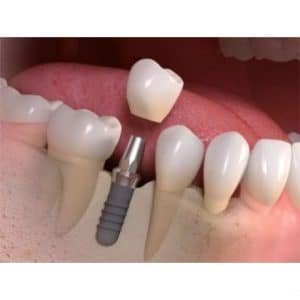
- Tooth Extraction + Implant: SGD $3,000+
The financial progression reflects disease progression. A routine examination and scaling session focuses on removing plaque, tartar, and early inflammation. If decay is detected at an early stage, a small filling restores the tooth structure with minimal intervention.
However, once infection reaches the pulp, root canal therapy becomes necessary to save the tooth. If the damage is too extensive and extraction is required, replacement with a dental implant significantly increases overall cost and treatment time.
Preventive care is dramatically more cost-effective because it interrupts disease before structural compromise occurs. In long-term oral health planning, routine check-ups are not an expense, they are a strategic investment that reduces cumulative dental costs while preserving natural teeth for as long as possible.
Signs You Should Not Wait for Your Next Check-Up
Even if you are unsure how often dental check up is required, schedule earlier if you notice:
- Bleeding gums
- Persistent bad breath
- Tooth sensitivity
- Loose teeth
- Jaw discomfort
These symptoms indicate inflammation or structural issues.
If you want to understand how preventive care is structured locally and what a typical visit includes, the overview available through the clinic’s main platform provides clarity on approach and services, which you can explore via the Ivory Dental homepage.
For a more focused explanation of preventive services, their detailed breakdown on the dental check-up service page outlines procedural steps, evaluation components, and follow-up planning.
Additionally, if you are specifically located in northern Singapore, you may find it helpful to review what a structured routine dental check in Yishun typically includes and how appointment intervals are personalized.
The Science Behind Plaque and Tartar Formation
Plaque begins forming within hours after brushing. If not removed:
- Plaque hardens into tartar within 24–72 hours.
- Tartar irritates gums.
- Inflammation begins.
- Untreated inflammation progresses into gum disease.
That biological cycle is one reason the answer to how often dental check up generally falls within a six-month window.
Routine Check vs Deep Cleaning: Important Distinction
| Feature | Routine Check | Deep Cleaning |
|---|---|---|
| Preventive | ✔ | ✖ |
| Treats active gum disease | ✖ | ✔ |
| Anesthesia needed | Rarely | Sometimes |
| Frequency | 6 months | As prescribed |
Many patients assume annual visits are enough. Clinically, waiting 12 months significantly increases disease progression risk.
Conclusion: How Often Dental Check Up Should Be Scheduled for Sustainable Health
The question how often dental check up should be scheduled ultimately depends on your risk level, but for most people, twice yearly visits provide optimal preventive protection.
Consistent check-ups reduce emergency visits, preserve natural teeth longer, and lower overall healthcare costs. Preventive dentistry is not reactive; it is strategic.
For individuals seeking structured preventive planning, transparent evaluation, and long-term oral health support, the clinic’s comprehensive approach can be reviewed through its official platform, where preventive philosophy and service details are clearly explained.
FAQs (Frequently Asked Questions)
How often dental check up is recommended for healthy adults?
For most healthy adults, scheduling a dental visit every six months remains the widely accepted standard. This timeline allows dentists to detect early signs of cavities, gum inflammation, or enamel wear before they progress into more serious conditions. While some individuals may feel their teeth are fine, professional cleanings remove plaque and tartar buildup that daily brushing and flossing cannot fully eliminate. When discussing how often dental check up appointments should be arranged, dentists typically assess factors such as oral hygiene habits, diet, smoking status, and medical history before confirming the six-month interval as appropriate.
Can I extend visits to once a year?
In certain low-risk cases, a dentist may approve annual visits. However, this decision should be based on a thorough clinical evaluation, not personal preference alone. Patients with consistently healthy gums, no history of cavities, and excellent oral hygiene may qualify for extended intervals. Still, understanding how often dental check up schedules can safely be adjusted depends heavily on individual risk assessment. Skipping recommended visits without professional confirmation may allow minor issues to develop unnoticed, potentially leading to more complex treatments later.
Do children need check-ups as often as adults?
Yes, children are generally advised to visit the dentist every six months. Their developing teeth are more susceptible to cavities, especially as dietary habits and brushing techniques are still being established. Regular monitoring also helps track proper tooth eruption and jaw development. When parents ask about how often dental check up visits should be arranged for children, dentists emphasize that early preventive care significantly reduces long-term dental complications and builds positive dental habits from a young age.
What if I have braces?
Orthodontic appliances create additional surfaces where plaque and food particles can accumulate. As a result, patients wearing braces often require check-ups every three to six months, depending on their oral hygiene condition. These more frequent visits help prevent gum inflammation, white spot lesions, and decay around brackets. Determining how often dental check up appointments are necessary during orthodontic treatment ensures both the health of the teeth and the success of the overall alignment process.
Does insurance or CHAS cover routine visits?
Coverage for preventive dental visits varies depending on insurance plans and eligibility criteria. In Singapore, certain schemes such as Community Health Assist Scheme (CHAS) may subsidize part of the consultation or basic procedures for eligible individuals. However, patients are encouraged to verify specific coverage details directly with their clinic. Even when partial coverage applies, maintaining regular preventive visits remains a cost-effective approach compared to treating advanced dental conditions later.