Blk 471B Yishun Street 42, #01-02, Singapore 762471
How to Prepare Child for Dentist Visits: What Parents Can Do to Reduce Fear and Anxiety
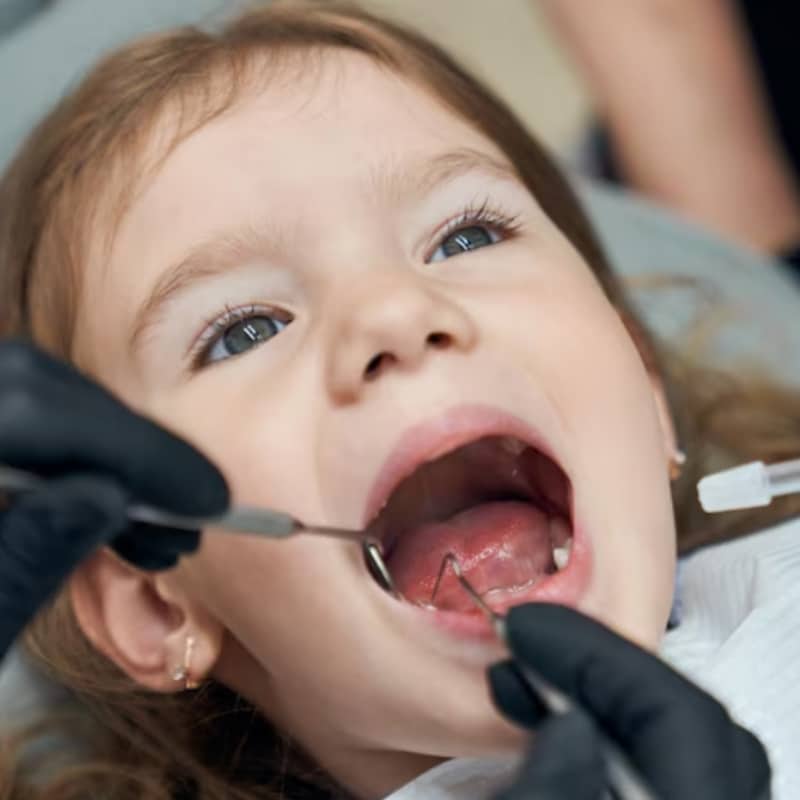
For many parents, one of the biggest concerns before a dental appointment is figuring out how to prepare child for dentist visits without causing fear, stress, or anxiety.
Children often feel nervous about unfamiliar environments, strange sounds, new people, or the fear of discomfort. However, a positive first dental experience can help children build healthy oral care habits and develop long-term confidence in visiting the dentist.
Preparing children properly before their appointment can:
- Reduce dental anxiety
- Improve cooperation during treatment
- Build trust with the dentist
- Encourage healthy oral habits
- Create positive long-term dental experiences
Many pediatric dental professionals agree that early positive exposure to dental care plays an important role in a child’s emotional comfort and oral health development.
This guide explains:
- Why children fear the dentist
- How parents can prepare children for dental visits
- What to say before the appointment
- Common mistakes parents should avoid
- How dentists help children feel comfortable
- Tips for different age groups
- Ways to create positive dental routines at home
Understanding how to prepare your child emotionally and mentally can make dental visits smoother and less stressful for both children and parents.
Why Are Children Afraid of the Dentist?
Dental anxiety in children is extremely common.
Children may fear:
- Pain
- Loud sounds
- Needles
- Unfamiliar people
- Loss of control
- Medical environments
Sometimes fear develops simply because children do not know what to expect.
Common Causes of Dental Anxiety in Children
| Cause | Explanation |
|---|---|
| Fear of pain | Worry about discomfort |
| Unknown environment | New surroundings feel intimidating |
| Previous bad experiences | Negative memories increase anxiety |
| Parent anxiety | Children absorb parental emotions |
| Loud dental tools | Sounds may feel frightening |
Pro Tips : Children often react more to emotional tone than actual dental procedures. Calm and reassuring communication from parents makes a significant difference.
Why Early Dental Visits Matter
Many parents wait until children experience pain before scheduling dental visits, but preventive dental care is usually recommended much earlier. Benefits of early dental visits:
Helps Children Become Familiar With Dental Environments
Early exposure reduces fear of unfamiliar settings.
Encourages Preventive Oral Care
Dentists can identify:
- Early cavities
- Bite problems
- Oral hygiene concerns
Builds Positive Habits
Children learn:
- Brushing importance
- Healthy eating habits
- Routine oral care
Supports Long-Term Oral Health
Preventive care may reduce future dental complications while helping children become more comfortable and familiar with regular dental visits from a young age. Early exposure to positive dental experiences can also encourage healthier oral hygiene habits and reduce anxiety during future treatments.
Parents looking for gentle and family-friendly pediatric dental care can also explore our children dentist in Yishun services to learn more about child-focused dental treatments, preventive care, and comfortable dental experiences for growing children.
When Should a Child First Visit the Dentist?
Many dental organizations recommend scheduling the first dental visit:
- Around the first birthday
- Or within six months of the first tooth appearing
Early dental visits are often short, gentle, and focused on familiarization rather than complex treatment.
How to Prepare Child for Dentist Visits
Parents play one of the most important roles in shaping a child’s perception of dental care.
1. Talk About the Dentist Positively
Children often copy parental attitudes.
Helpful Phrases
- “The dentist helps keep teeth healthy”.
- “The dentist will count your teeth”.
- “We’re going to help your smile stay strong”.
Avoid Fear-Based Language
Avoid saying:
- “It won’t hurt”.
- “Don’t be scared”.
- “The dentist won’t use needles.”
These phrases may unintentionally increase anxiety.
2. Explain What Will Happen Simply
Children feel calmer when they understand what to expect. Keep explanations age-appropriate:
For Younger Children
Use simple descriptions:
- “The dentist will check your teeth”.
- “They may clean your teeth gently”.
For Older Children
Provide more detailed but calm explanations.
Pro Tips : Avoid overwhelming children with excessive medical details before the appointment.
3. Read Books or Watch Educational Videos
Child-friendly dental stories help normalize dental visits.
Benefits of Educational Preparation
- Makes dental care feel familiar
- Reduces fear of the unknown
- Encourages curiosity instead of anxiety
Many children respond well to:
- Storybooks
- Cartoons
- Pretend dental games
4. Schedule Appointments at the Right Time
Timing matters more than many parents realize. Best appointment timing:
Choose times when children are:
- Rested
- Fed
- Calm
- Less irritable
Avoid scheduling appointments:
- During nap times
- Late evenings
- When children are overly hungry
5. Stay Calm During the Visit
Children are highly sensitive to parental emotions.
If parents appear:
- Nervous
- Worried
- Tense
children may become more anxious themselves.
Pro Tips : Even if parents personally fear dental treatment, maintaining a calm tone around children helps create reassurance.
6. Avoid Using the Dentist as a Threat
Some parents unintentionally create fear by saying:
- “If you don’t brush, the dentist will scold you.”
- “The dentist will pull your teeth.”
This can damage trust and create negative associations with dental care.
Instead, present dental visits as:
- Helpful
- Safe
- Positive
- Routine
What Happens During a Child’s Dental Visit?
Most children’s appointments focus on:
- Comfort
- Familiarization
- Gentle examination
- Preventive care
Common Steps During Pediatric Dental Visits
Step 1: Friendly Introduction
The dental team helps the child feel comfortable.
Step 2: Gentle Examination
The dentist checks:
- Teeth
- Gums
- Bite development
Step 3: Cleaning (If Appropriate)
Light cleaning may be performed.
Step 4: Oral Hygiene Guidance
Parents receive brushing and nutrition advice.
How Pediatric Dentists Help Reduce Anxiety
Experienced dental professionals use child-friendly approaches to improve comfort.
Common Child-Friendly Techniques
| Technique | Purpose |
|---|---|
| Positive reinforcement | Encourages cooperation |
| Tell-show-do method | Reduces fear of unknown tools |
| Friendly communication | Builds trust |
| Gentle pacing | Prevents overwhelm |
| Visual distractions | Helps children relax |
How to Prepare Toddlers for the Dentist
Toddlers often have shorter attention spans and stronger fear of unfamiliar environments. Toddler preparation tips:
Keep Explanations Short
Use simple words and calm tone.
Practice Opening the Mouth at Home
Pretend dental games can help.
Bring Comfort Items
Favourite toys or blankets may reduce stress.
How to Prepare Older Children for the Dentis
Older children may ask more questions about treatment.
Helpful Strategies
- Answer questions honestly
- Encourage curiosity
- Explain benefits of healthy teeth
- Praise cooperation
Common Mistakes Parents Should Avoid
Mistake 1: Sharing Negative Dental Stories
Children may absorb adult fears.
Mistake 2: Offering Excessive Rewards
Large rewards may make visits seem frightening.
Mistake 3: Overexplaining Procedures
Too much detail may overwhelm younger children.
Mistake 4: Waiting Until Pain Develops
Emergency dental visits are often more stressful.
Why Preventive Dental Care Matters for Children
Preventive care helps reduce:
- Cavities
- Gum problems
- Dental anxiety
- Future treatment complexity
Routine dental visits also help monitor:
- Tooth eruption
- Jaw development
- Oral hygiene habits
Regular dental examinations can help detect early signs of cavities, bite issues, gum concerns, and oral hygiene problems before they become more serious. Preventive dental care also helps children become more familiar and comfortable with routine dental visits from a young age.
Learn more about the importance of preventive oral care through our dental check-up services for children and families.
How Parents Can Encourage Good Oral Hygiene at Home
Dental visits work best when supported by healthy daily habits. Daily oral care tips for children:
Brush Twice Daily
Use age-appropriate toothpaste.
Supervise Brushing
Young children may need assistance.
Limit Sugary Snacks
Frequent sugar exposure increases cavity risk.
Encourage Water Consumption
Water supports oral cleanliness.
Make Brushing Fun
Songs, timers, or games can help.
Signs a Child May Need Dental Attention
Parents should schedule evaluation if children experience:
- Tooth pain
- Gum swelling
- White or brown spots on teeth
- Difficulty chewing
- Persistent bad breath
- Dental injuries
Parents should schedule evaluation if children experience tooth pain, gum swelling, white or brown spots on teeth, difficulty chewing, persistent bad breath, or dental injuries. Early treatment helps prevent complications while supporting healthier oral development and long-term dental habits from a young age.
Children benefit greatly from gentle and preventive-focused dental care designed specifically for their comfort, emotional reassurance, and growing oral health needs. Parents looking for child-friendly dental services can learn more about our comprehensive children dentistry services, including preventive care, routine check-ups, and pediatric dental treatments tailored for children and families.
Simple Parent Checklist Before Dental Visits
Before the Appointment
- Use positive language
- Schedule at a calm time
- Avoid fear-based statements
- Let children ask questions
- Ensure children are rested
During the Appointment
- Stay calm
- Encourage cooperation
- Trust the dental team
- Praise your child afterward
Pro Tips : Positive early experiences often shape how children feel about dental care throughout adulthood.
Why Family-Friendly Dental Care Matters
Children benefit greatly from supportive and patient-focused dental environments designed to prioritize:
- Comfort
- Communication
- Gentle care
- Preventive education
At Ivory Dental Singapore, we believe early positive dental experiences help children build healthier oral habits and long-term confidence in dental care.
Our dental team focuses on:
- child-friendly communication
- gentle treatment approaches
- preventive dental care
- and family-focused oral health support
Conclusion: Looking for a Comfortable Dental Experience for Your Child?
Understanding how to prepare child for dentist visits can help reduce fear, improve cooperation, and create healthier long-term attitudes toward oral care.
With proper preparation, positive communication, and supportive dental guidance, many children can learn to feel more comfortable and confident during dental appointments.
At Ivory Dental Singapore, we provide family-focused dental care designed to support:
- gentle pediatric dental experiences
- preventive oral health
- patient comfort
- and long-term smile development for children and families
Whether your child needs:
- a routine dental check-up
- preventive dental care
- oral hygiene guidance
- or a first dental visit experience
our dental team is committed to providing supportive and comfortable dental care tailored to each child’s needs.
Explore our full range of family and preventive dental services at Ivory Dental Singapore.
FAQs (Frequently Asked Questions)
What age should my child first visit the dentist?
Usually around age one or within six months of the first tooth erupting.
Is dental anxiety normal in children?
Yes. Fear of unfamiliar situations is very common.
Should parents stay during treatment?
In many cases, yes, especially for younger children.
How long are children’s dental appointments?
Routine visits are often short and gentle
What if my child cries during the appointment?
This is common, especially during early visits. Experienced dental teams are trained to handle anxious children calmly.