Blk 471B Yishun Street 42, #01-02, Singapore 762471
Many people associate dental surgery with complicated or painful procedures, but modern dental surgery in Yishun is designed to improve patient comfort, restore oral health, and treat dental conditions that cannot be managed through routine dental care alone.
Dental surgery may be recommended for:
- Impacted wisdom teeth
- Severe tooth infection
- Damaged teeth
- Gum-related complications
- Oral bone issues
- Tooth extraction needs
When oral problems are left untreated, they may gradually worsen and affect:
- Chewing function
- Jaw comfort
- Gum health
- Adjacent teeth
- Overall oral hygiene
Fortunately, professional oral surgery procedures are carefully planned to improve treatment precision and support smoother recovery outcomes.
This guide explains:
- What dental surgery involves
- Common oral surgery procedures
- Signs you may need oral surgery
- Recovery expectations
- Surgical treatment benefits
- Cost considerations
- How to prepare for dental surgery
- Long-term oral health management
Understanding the surgical process helps patients feel more informed and confident before treatment.
What Is Dental Surgery?

Understanding how oral surgery procedures work can help patients feel more informed and less anxious before treatment. Modern dental surgery focuses on improving patient comfort while treating impacted teeth, severe infections, gum problems, and other oral conditions that cannot be resolved through routine dental care alone.
Patients who want to learn more about surgical procedures, recovery expectations, and oral surgery treatment options can also explore our complete guide on dental surgery for additional information about professional oral surgical care.
Dental surgery refers to specialized dental procedures that involve treating problems affecting:
- Teeth
- Gums
- Jawbone
- Oral tissues
These procedures are typically performed when standard dental treatments are insufficient to resolve the condition.
Dental surgery may involve:
- Tooth extraction
- Wisdom tooth surgery
- Gum procedures
- Infection management
- Bone-related treatment
Modern oral surgery techniques focus on:
- Precision
- Patient comfort
- Safe healing
- Long-term oral health preservation
Common Types of Dental Surgery in Yishun
Different oral conditions require different surgical approaches.
Common Dental Surgery Procedures
| Procedure | Purpose |
|---|---|
| Wisdom tooth surgery | Removes impacted wisdom teeth |
| Tooth extraction | Removes severely damaged teeth |
| Surgical extraction | Removes difficult or impacted teeth |
| Gum surgery | Treats severe gum problems |
| Infection drainage | Manages dental abscesses |
Each treatment plan depends on the patient’s individual condition and oral health needs.
Why Patients May Need Dental Surgery
Many oral conditions worsen gradually over time.
At first, symptoms may appear mild, such as:
- Occasional discomfort
- Mild swelling
- Sensitivity while chewing
However, untreated problems may eventually become more severe.
Common Signs You May Need Dental Surgery
- Persistent tooth pain
- Swollen gums
- Jaw stiffness
- Difficulty chewing
- Recurring infection
- Facial swelling
- Impacted wisdom teeth
Pro Tips : Ignoring persistent dental pain may increase the risk of infection spread and more complicated treatment later.
Wisdom Tooth Surgery and Oral Health
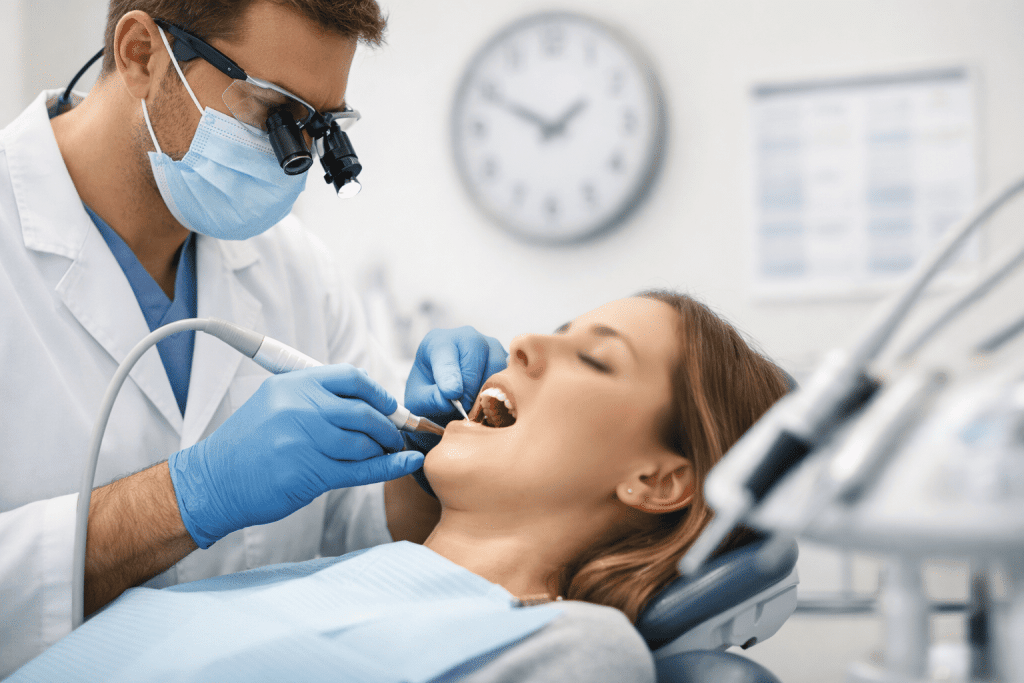
One of the most common forms of dental surgery involves impacted wisdom teeth.
Wisdom teeth may:
- Grow sideways
- Remain trapped under the gums
- Press against nearby teeth
- Cause swelling and infection
When wisdom teeth become impacted, surgical removal may help:
- Reduce pain
- Prevent infection
- Protect surrounding teeth
- Improve oral hygiene access
Tooth Extraction vs Surgical Extraction
Some patients wonder why certain teeth require surgery instead of simple extraction.
Simple Tooth Extraction
Usually performed when:
- The tooth is fully visible
- Minimal complications exist
- Tooth access is straightforward
Surgical Extraction
Often necessary when:
- The tooth is impacted
- Bone covers the tooth
- Tooth roots are difficult to access
- Severe damage exists
Surgical procedures generally require more advanced treatment planning.
How Dental Surgery Works
Understanding the process often helps reduce anxiety before treatment.
Step-by-Step Dental Surgery Process
Step 1: Consultation and Evaluation
Dentists assess:
- Oral health condition
- Symptoms
- X-rays
- Surgical complexity
Dental imaging helps improve treatment planning accuracy.
Step 2: Local Anesthesia
The treatment area is numbed to improve patient comfort.
Step 3: Surgical Procedure
The dentist carefully performs the required treatment.
Procedures may involve:
- Tooth removal
- Gum access
- Tissue management
- Infection cleaning
Step 4: Cleaning and Closure
The area is cleaned thoroughly and stitches may be placed.
Step 5: Recovery Guidance
Patients receive aftercare instructions to support healing.
Pro Tips : Following post-surgery care instructions carefully may help reduce swelling and support smoother recovery.
Is Dental Surgery Painful?
Many patients worry about pain during oral surgery.
Modern dental surgery techniques are designed to improve:
- Comfort
- Precision
- Recovery support
During the procedure, local anesthesia helps numb the area.
Most patients experience:
- Pressure sensations
- Mild soreness afterward
- Temporary swelling during recovery
The untreated dental condition itself is often more painful than the surgery.
Recovery After Dental Surgery
Recovery time depends on:
- Surgical complexity
- Number of teeth involved
- Infection severity
- Individual healing response
Common Recovery Symptoms
| Symptom | Typical Duration |
|---|---|
| Mild swelling | 2–3 days |
| Jaw stiffness | Several days |
| Tender gums | Temporary |
| Mild soreness | 1–2 weeks |
Most patients improve gradually with proper aftercare.
Recovery Tips After Dental Surgery
Eat Soft Foods
Recommended foods include:
- Soup
- Yogurt
- Mashed potatoes
- Oatmeal
Avoid Smoking
Smoking may interfere with healing and increase complication risks.
Apply Cold Compresses
Cold packs may help reduce swelling during early recovery.
Maintain Oral Hygiene
Gentle cleaning helps reduce bacterial buildup.
Pro Tips : Good recovery habits often improve healing comfort and reduce the risk of post-surgical complications.
What Happens If Dental Problems Are Left Untreated?
Untreated oral conditions may eventually lead to:
- Severe infection
- Tooth damage
- Gum disease
- Jaw pain
- Difficulty eating
- Bone complications
Early professional treatment often helps reduce long-term oral health risks.
Benefits of Professional Dental Surgery
Professional oral surgery may help:
- Relieve pain
- Remove infection
- Restore oral function
- Prevent further complications
- Improve long-term oral health
Early treatment often leads to:
- Better healing outcomes
- Less severe complications
- Improved treatment planning
How to Prepare for Dental Surgery
Preparing properly before treatment may improve recovery and comfort.
Simple Preparation Checklist
Before Surgery
- Attend consultation
- Complete dental X-rays
- Discuss medications with dentist
- Follow fasting instructions if required
After Surgery
- Arrange transportation if needed
- Prepare soft foods
- Plan recovery time
- Follow aftercare instructions carefully
Pro Tips : Patients who understand the recovery process beforehand often feel more confident and less anxious about treatment.
Why Preventive Dental Care Matters
Regular dental examinations play an important role in identifying cavities, gum problems, impacted teeth, and oral infections before they become more severe and require complex surgical treatment. Early diagnosis often helps reduce treatment complexity while supporting better long-term oral health outcomes.
Patients who want to maintain healthier teeth and gums can also learn more about the importance of preventive oral care through our dental check-up services for professional oral health monitoring and early dental problem detection.
Preventive care helps reduce the risk of advanced dental problems that may eventually require surgery.
Helpful preventive habits include:
- Regular dental check-ups
- Daily brushing and flossing
- Early cavity treatment
- Professional oral cleaning
Building positive dental habits from an early age can help children feel more comfortable during future dental visits and reduce anxiety toward preventive or restorative treatments later in life. Encouraging regular dental care early also supports healthier oral development and improved long-term dental awareness.
Parents who want practical tips for creating a more positive dental experience for children can also explore our helpful guide on how to prepare child for dentist for easy preparation strategies and child-friendly dental care advice.. Early diagnosis often helps dentists identify problems before they become more severe.
Why Professional Oral Surgery Care Matters
Successful dental surgery depends on:
- Accurate diagnosis
- Professional imaging
- Careful treatment planning
- Sterile surgical techniques
- Personalized recovery support
Patients experiencing persistent tooth pain, swelling, jaw discomfort, or recurring infection may benefit from early professional evaluation before the condition worsens. Timely treatment often helps reduce complication risks while improving long-term oral health outcomes.
Learning more about preventive oral care and early dental treatment may also help reduce the likelihood of advanced oral conditions requiring complex surgery later.
Conclusion: Choosing Professional Dental Surgery in Yishun
Choosing professional dental surgery in Yishun can help patients:
- relieve pain
- remove infection
- restore oral function
- and protect long-term oral health
Modern oral surgery procedures are designed to improve:
- patient comfort
- treatment precision
- recovery outcomes
- and long-term dental health support
At Ivory Dental Singapore, we provide patient-focused oral surgery care designed to support:
- accurate diagnosis
- comfortable treatment
- personalized surgical planning
- and long-term oral health management
Whether you require:
- wisdom tooth surgery
- tooth extraction
- infection management
- or preventive dental care
our dental team is committed to providing supportive and professional dental care tailored to your individual needs.
Explore our full range of oral surgery and dental care services at Ivory Dental Singapore.
FAQs (Frequently Ask Questions)
Is dental surgery safe?
Yes. Modern dental surgery procedures are professionally planned to improve patient safety and treatment precision.
How long does recovery take?
Recovery varies depending on the complexity of the procedure.
Will I feel pain during surgery?
Local anesthesia is used to improve comfort during treatment.
Can dental infections spread?
Yes. Untreated infection may spread deeper into surrounding tissues.
Are wisdom teeth always removed surgically?
Not always. Some wisdom teeth may be removed through simple extraction if fully erupted.