Blk 471B Yishun Street 42, #01-02, Singapore 762471

Dental implant healing time is one of the most common concerns for people considering a replacement for a missing tooth. You may be wondering how soon you can eat normally, return to work, or enjoy your favourite foods without discomfort. The good news is that recovery generally happens in stages, and understanding these stages can help you feel more prepared.
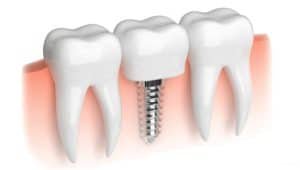
A dental implant is an artificial tooth root, usually made from titanium, that is placed into the jawbone to support a replacement tooth. Unlike a removable denture, an implant can provide a fixed foundation for a dental crown, bridge, or denture, depending on the treatment plan.
However, receiving a dental implant is not a one-day process from surgery to final restoration. The gums need time to recover, and the implant must become stable within the jawbone before the dentist can complete the treatment.
At Ivory Dental, patients can explore restorative and surgical dental treatments to understand their tooth replacement options. Knowing what influences dental implant healing time can help you plan your recovery and discuss realistic expectations with your dentist.
What Is the Typical Dental Implant Healing Time?
Dental implant healing time varies from one patient to another. Some people feel comfortable returning to their usual daily activities within a few days, while the underlying bone may need several months to integrate with the implant.
The overall process involves three main stages:
- Initial recovery: The gums and surrounding soft tissues begin to heal after surgery.
- Osseointegration: The jawbone gradually bonds with the implant surface, creating a stable foundation.
- Final restoration: Once the implant has adequate stability, the dentist proceeds with the planned replacement tooth.
These stages overlap, and the timeline is not identical for everyone.
Dental Implant Healing Timeline
| Recovery stage | Typical timeframe | What happens |
|---|---|---|
| Early recovery | First 1–3 days | Swelling, tenderness, and minor bruising may occur. |
| Initial gum healing | Around 1–2 weeks | Soft tissues begin to close and discomfort generally improves. |
| Osseointegration | Approximately 3–6 months | The jawbone gradually integrates with the implant. |
| Final crown placement | After adequate healing and stability checks | The dentist attaches the planned restoration when appropriate. |
| Long-term maintenance | Ongoing | Regular check-ups and good oral hygiene help protect the implant. |
These timeframes are general estimates, not guarantees. Some implants can be restored earlier under suitable clinical conditions, while others need a longer healing period.
What Happens During Each Stage of Dental Implant Healing?
Understanding the recovery process makes it easier to distinguish expected healing from symptoms that require professional attention.
1. The First 24–72 Hours: Early Recovery
The first few days are usually focused on managing discomfort and protecting the surgical area. You may notice mild swelling, tenderness, bruising, or a small amount of bleeding.
These symptoms should generally begin to improve over time. Your dentist may recommend suitable pain relief and provide instructions about eating, cleaning your mouth, and caring for the surgical site.
During this period, it is helpful to:
- Choose soft foods that require minimal chewing.
- Avoid disturbing the implant site with your tongue or fingers.
- Follow your dentist’s instructions for oral hygiene.
- Avoid strenuous exercise until your dentist advises that it is appropriate.
- Take prescribed or recommended medication only as directed.
Rest is important, but you do not necessarily need to remain inactive throughout the entire recovery period.
2. The First One to Two Weeks: Gum Healing
During the following days, the gum tissue gradually repairs itself. Swelling and tenderness should usually become less noticeable, although the speed of recovery depends on the complexity of the procedure.
A straightforward implant placement may involve less initial discomfort than a procedure that also requires tooth extraction or bone grafting.
Continue cleaning your mouth carefully. Your dentist may recommend a particular brushing technique or mouth rinse to keep the area clean without disturbing healing tissue.
Do not assume that reduced pain means the implant has fully healed. The gum tissue can look healthy well before the implant has completed its integration with the jawbone.
3. Months Three to Six: Bone Integration
This is one of the most important stages of dental implant healing time.
Osseointegration occurs when the surrounding bone forms a stable connection with the implant surface. This process helps the implant withstand the forces involved in biting and chewing.
You may not feel anything unusual during this stage. That is normal because bone integration happens beneath the gum tissue and cannot be judged by discomfort alone.
Your dentist will assess healing and implant stability at appropriate appointments. Depending on the treatment plan, the implant may need additional time before the final crown can be attached.
4. Final Crown Placement and Long-Term Care
Once the implant has healed sufficiently, the restorative stage can begin. The dentist attaches the abutment and crown, or another planned restoration, according to your treatment needs.
The crown is designed to restore the visible portion of the missing tooth and help you chew comfortably.
After treatment, daily brushing, cleaning between teeth, and regular professional reviews remain important. Dental implants do not develop cavities like natural teeth, but the surrounding gums and bone can still develop inflammatory problems.
What Factors Affect Dental Implant Healing Time?
Two patients can undergo similar procedures and still experience different recovery timelines. Several factors influence how quickly healing progresses.
Bone Quality and Quantity
The jawbone must provide sufficient support for the implant. If the bone is too thin or lacks adequate volume, a bone graft may be recommended before or during implant placement.
A graft introduces another healing stage, which can extend the overall treatment timeline.
Gum Health and Oral Hygiene
Healthy gums support a stable environment for healing. Existing gum disease may need treatment before implant surgery, as inflammation can affect the tissues surrounding the implant.
Maintaining good oral hygiene before and after surgery helps reduce the risk of infection and other complications.
Complexity of the Procedure
The healing period may be longer if implant placement involves additional procedures, such as:
- Tooth extraction at the same site.
- Bone grafting to improve bone volume.
- More complex implant placement.
- Treatment of existing oral health problems.
Your dentist can explain how these factors affect your individual treatment plan.
Smoking and General Health
Smoking can impair blood flow and interfere with wound healing. Certain medical conditions and medications may also affect recovery or the body’s ability to heal.
Tell your dentist about your medical history, medications, and smoking habits before treatment. This information helps the dental team assess risks and plan appropriate care.
How Can You Support Faster and Safer Dental Implant Healing?
Although you cannot force the bone to heal faster, you can take practical steps to support normal recovery.
Follow These Five Aftercare Steps
Step 1: Follow your dentist’s instructions. Every procedure is different, so follow the guidance provided for your specific implant placement.
Step 2: Choose appropriate foods. Soft foods such as yoghurt, scrambled eggs, mashed vegetables, and soft fish can be easier to manage during early recovery. Avoid foods that are hard, crunchy, or likely to irritate the surgical site.
Step 3: Keep your mouth clean. Brush carefully around the area as instructed. Do not scrub the surgical site or use mouth rinses unless they are appropriate for your stage of recovery.
Step 4: Avoid smoking. Smoking can interfere with healing. Ask your dental professional for advice and support if you need help stopping.
Step 5: Attend follow-up appointments. These visits allow the dentist to monitor your gums, check implant stability, and identify concerns before they become more serious.
Pro Tips for a More Comfortable Recovery
- Prepare soft meals before your surgery so you do not need to cook while feeling uncomfortable.
- Keep your follow-up appointment details and aftercare instructions somewhere easy to find.
- Do not rush into eating hard foods just because the initial soreness has disappeared.
- Ask your dentist when it is safe to resume exercise and your normal diet.
- Contact your dental clinic if symptoms worsen instead of gradually improving.
The most useful approach is to focus on steady healing rather than trying to shorten the recovery period at all costs.
What Foods Should You Eat During Dental Implant Recovery?
Your diet can make the early healing period more comfortable. The best choices are foods that provide adequate nutrition without placing unnecessary pressure on the surgical area.
| Food category | Examples | Why it may help |
|---|---|---|
| Soft protein | Scrambled eggs, soft fish, tofu | Supports normal tissue repair. |
| Soft dairy foods | Yoghurt, smooth cottage cheese | Provides protein and other nutrients. |
| Soft vegetables | Mashed potatoes, well-cooked pumpkin | Supplies vitamins and minerals. |
| Easy-to-eat fruit | Mashed banana, soft avocado | Adds nutrients without much chewing. |
| Smooth foods | Blended soups served at a suitable temperature | Can be easier to consume during early recovery. |
Avoid very hot foods immediately after surgery if your dentist advises against them. Hard nuts, crunchy snacks, and sticky foods may also be uncomfortable during early healing.
Drink enough water and follow any specific dietary instructions from your dentist. If you have dietary restrictions or other health conditions, choose foods that meet your nutritional needs while remaining comfortable to eat.
What Symptoms Are Normal, and When Should You Contact a Dentist?
Mild swelling, tenderness, and some bruising can occur after implant surgery. These symptoms should generally improve as the days pass.
However, recovery should not involve steadily worsening discomfort.
Contact your dentist promptly if you experience:
- Pain or swelling that becomes worse instead of improving.
- Persistent or increasing bleeding.
- Pus, an unpleasant taste, or other signs of possible infection.
- Fever or feeling increasingly unwell.
- An implant or temporary restoration that feels loose.
Seek urgent medical attention if you develop difficulty breathing or swallowing, or rapidly spreading swelling.
If you are concerned about possible dental implant complications, a dental professional can assess your symptoms and determine whether treatment is needed. Do not wait for a routine appointment if symptoms are severe or worsening.
Does a Longer Dental Implant Healing Time Mean Something Is Wrong?

Not necessarily. Some implants need more time because of bone quality, the location of the implant, or additional surgical procedures. A longer healing period does not automatically mean treatment has failed.
The important consideration is whether healing is progressing appropriately according to your dentist’s assessment.
For example, a patient who needs bone grafting may require a staged treatment plan before the implant can support a crown. Another patient with adequate bone and healthy gums may be suitable for a more straightforward approach.
Do not compare your recovery too closely with another person’s experience. Someone else may have undergone a different procedure, have different health circumstances, or follow a different restoration schedule.
If the timeline is longer than you expected, ask your dentist:
- Has the gum tissue healed as expected?
- Is the implant sufficiently stable?
- Is additional healing time necessary before placing the crown?
- Are there any signs of infection or other problems?
- When should the next assessment take place?
These questions can help you understand the reasons behind your treatment schedule.
What Should You Know Before Getting a Dental Implant?
Planning ahead can help you understand the commitment involved in implant treatment.
Before surgery, your dentist will generally assess your teeth, gums, jawbone, and overall oral health. Dental imaging may be needed to evaluate the available bone and plan implant placement.
Your consultation may cover:
- Whether an implant is suitable for your situation.
- Whether gum treatment, extraction, or bone grafting is needed.
- The expected healing and restoration timeline.
- The available tooth replacement options.
- The estimated treatment costs and follow-up requirements.
You can learn more about Ivory Dental’s dental implant treatment and other dental surgery services to understand the treatment options available at the clinic.
A professional assessment is particularly useful if you have gum disease, take medications that may affect healing, smoke, or have a medical condition that could influence treatment.
Conclusion: Understand Your Dental Implant Healing Time With Ivory Dental
Dental implant healing time typically involves one to two weeks of initial gum recovery and approximately three to six months for bone integration. However, each patient’s recovery is different, and additional procedures may extend the timeline.
The best way to support healing is to follow your dentist’s aftercare instructions, maintain good oral hygiene, eat appropriate foods, avoid smoking, and attend all scheduled follow-up visits. Most importantly, do not rush the process before your implant is ready to support its final restoration.
If you are considering replacing a missing tooth, visit Ivory Dental to explore your treatment options and arrange a dental assessment. The dental team can evaluate your oral health, discuss whether implants may be suitable, and explain the expected recovery timeline for your individual needs.
A well-planned treatment and consistent aftercare can help you work towards a comfortable recovery and a stable, functional smile.
Frequently Asked Questions
How long does dental implant healing time usually take?
Initial gum healing commonly takes around one to two weeks, while bone integration often takes approximately three to six months. The full treatment timeline depends on the patient’s health, bone condition, and whether additional procedures are required.
Can I return to work the day after dental implant surgery?
Some people can return to desk-based work relatively soon, depending on their comfort and the complexity of the procedure. Others may need more rest. Ask your dentist what is appropriate for your circumstances.
When can I eat normally after dental implant surgery?
You may need to follow a soft-food diet during the early recovery period. Your dentist will advise when to gradually reintroduce firmer foods. Avoid putting excessive pressure on the implant until you have been told it is safe.
Does dental implant surgery hurt during healing?
The surgical area is generally numbed with local anaesthesia during implant placement. Some soreness, swelling, and tenderness can occur afterward, but these symptoms should generally improve. Contact your dentist if pain becomes severe or worsens.
Can a dental implant fail to heal properly?
Yes. Although many implants heal successfully, problems such as infection, inadequate bone integration, or inflammation around the implant can occur. Good oral hygiene, appropriate planning, and regular follow-up help support successful treatment.