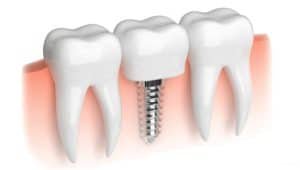
Blk 471B Yishun Street 42, #01-02, Singapore 762471

Dental implants without bone graft are possible when the existing jawbone has enough height, width, and density to support an implant securely. Not every patient needs additional bone before treatment, but the decision depends on the condition of the jawbone, the location of the missing tooth, and the implant design.
For patients who want to replace missing teeth without undergoing an additional surgical procedure, understanding when bone grafting can be avoided is an important first step. A dental assessment helps determine whether the available bone can support an implant safely.
When Are Dental Implants Without Bone Graft Possible?
Dental implants without bone graft may be suitable when there is sufficient healthy jawbone around the planned implant site. The implant needs stable bone support to integrate properly through a process called osseointegration.
A patient may be a suitable candidate when:
- The jawbone has adequate height and width.
- Bone density is sufficient to provide initial implant stability.
- There is no significant bone loss around the planned treatment area.
- The gums are healthy and any existing gum disease has been managed.
- The implant can be positioned safely without affecting nearby anatomical structures.
However, having a missing tooth for several years does not automatically mean that a bone graft is necessary. Some patients retain enough bone for implant placement, while others experience gradual bone resorption after tooth loss.
Why Do Some Patients Need a Bone Graft Before Dental Implants?
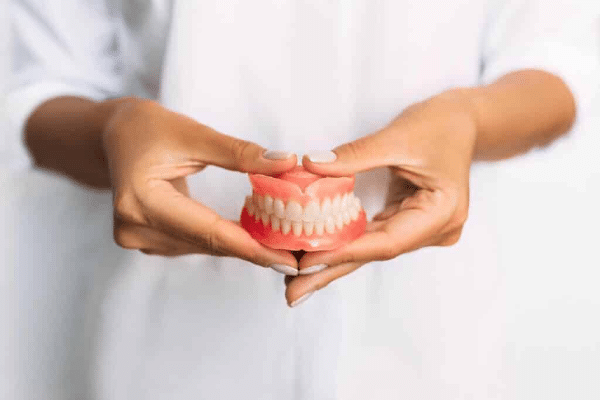
A bone graft is a procedure used to increase or rebuild the amount of bone available for implant placement. It may be recommended when the jawbone has become too narrow, too short, or insufficiently supportive for a conventional implant.
Bone loss can happen for several reasons:
- Tooth extraction: The jawbone that previously supported a natural tooth may gradually shrink after extraction.
- Gum disease: Advanced periodontal disease can damage the bone surrounding natural teeth.
- Long-term missing teeth: The area without a tooth may experience gradual bone resorption.
- Infection or trauma: Previous dental infections or injuries may affect the structure of the jawbone.
In the upper jaw, the maxillary sinus can also limit the available bone height. In the lower jaw, the position of the inferior alveolar nerve must be considered during implant planning.
A bone graft is not automatically required in these situations. The dentist first needs to assess whether the implant can be positioned safely using the existing bone.
What Are the Alternatives to Dental Implants With Bone Grafting?
Depending on the patient’s anatomy, several treatment approaches may allow implant placement without conventional bone augmentation. These options are not suitable for every case and require careful clinical planning.
1. Short Dental Implants
Short implants are designed for areas where the available bone height is limited. Instead of rebuilding the jawbone to accommodate a longer implant, a dentist may consider a shorter implant if the remaining bone can provide adequate support.
2. Angled Dental Implants
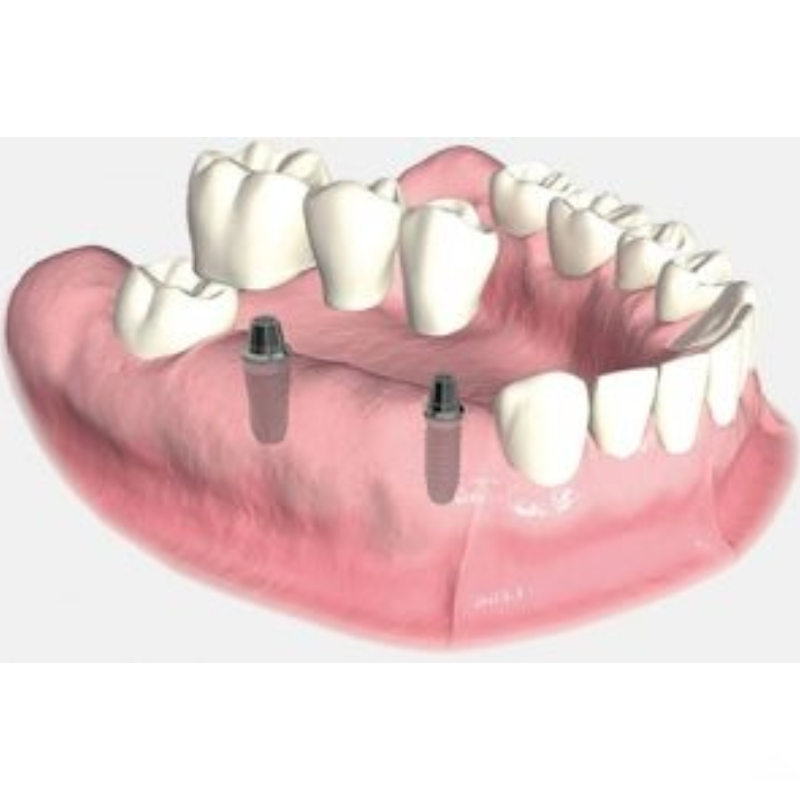
In selected cases, implants can be placed at an angle to make better use of the existing bone. This approach may help avoid certain anatomical structures, such as the maxillary sinus or nerves.
Angled placement is more commonly considered in complex restorative cases, including full-arch implant rehabilitation. It requires detailed imaging and careful planning because implant position affects the stability and design of the final restoration.
3. Strategic Implant Placement
Sometimes, the dentist can adjust the implant position or treatment design to use areas with better bone support. This may involve selecting a different implant size or changing the position of the planned restoration.
The goal is not simply to avoid a bone graft. The implant must still have adequate support and a safe relationship with surrounding anatomical structures.
Dental Implants Without Bone Graft vs. Bone Graft Treatment
Both approaches can restore missing teeth, but they differ in treatment requirements and suitability.
| Comparison | Without Bone Graft | With Bone Graft |
|---|---|---|
| Bone requirement | Existing bone must be sufficient | Used when additional bone is needed |
| Surgical procedures | Usually fewer procedures | Includes an additional grafting procedure |
| Treatment duration | May be shorter | May take longer due to graft healing |
| Suitable cases | Adequate bone volume and support | Significant bone deficiency |
| Main consideration | Safe implant positioning and stability | Successful bone healing before or during implant placement |
Avoiding a graft does not automatically make treatment better. If the existing bone cannot support an implant properly, grafting may provide a more appropriate foundation for long-term treatment.
How Do Dentists Determine Whether You Need a Bone Graft?
The decision is based on clinical examination and imaging rather than appearance alone. A dentist needs to evaluate the amount of available bone and identify important anatomical structures before recommending dental implants without bone graft.
The assessment generally involves these steps:
- Dental examination: The dentist checks the teeth, gums, bite, and condition of the missing-tooth area.
- Imaging assessment: Dental X-rays and, when indicated, cone beam computed tomography (CBCT) help assess bone volume and nearby structures.
- Treatment planning: The dentist considers implant dimensions, position, and the type of restoration required.
- Discussion of options: Suitable approaches, possible grafting requirements, risks, and treatment timelines are explained before proceeding.
CBCT provides three-dimensional information that can help assess the bone available for implant placement. Professional imaging recommendations identify bone-volume assessment and the relationship with surrounding anatomical structures as important considerations in implant planning.
Are Dental Implants Without Bone Graft Painful?
The experience varies depending on the complexity of the procedure and the patient’s individual sensitivity. Local anaesthesia is commonly used during implant placement to numb the treatment area.
Patients who are concerned about discomfort can read more about are dental implants painful, including what to expect during surgery and recovery.
When a bone graft is not required, the treatment may involve fewer surgical steps. However, implant placement itself is still a surgical procedure, and some swelling, tenderness, or discomfort can occur during healing.
How Successful Are Dental Implants Without Bone Graft?
The long-term outcome depends on patient selection, implant stability, surgical planning, oral hygiene, and regular maintenance. Avoiding a bone graft does not guarantee a successful result, just as receiving a graft does not guarantee failure or success.
For example, consider a patient who lost a lower molar several months ago. Imaging shows that the jawbone still has enough height and width to support an implant. After assessing the bite and surrounding teeth, the dentist may determine that implant placement can proceed without additional bone grafting. This is an illustrative case; actual treatment decisions depend on individual examination findings.
Where Can You Get Dental Implant Treatment in Singapore?
Patients considering dental implants should choose a treatment plan based on their oral condition rather than assuming that every implant procedure requires the same steps. At Ivory Dental, patients can explore the available dental implant services in Singapore and discuss suitable tooth replacement options with the dental team.
The consultation can help clarify whether the existing jawbone is sufficient, whether additional procedures may be needed, and what treatment approach is appropriate.
Conclusion: Find Out Whether You Can Get Dental Implants Without Bone Graft at Ivory Dental
Dental implants without bone graft are possible when the existing jawbone provides enough support for safe implant placement. Options such as short implants, angled implants, and strategic positioning may be considered in selected cases, but they are not substitutes for grafting when bone support is inadequate.
The most reliable way to determine your eligibility is through a dental examination and appropriate imaging. Visit Ivory Dental to learn more about dental implant treatment and discuss the options available for replacing missing teeth.
Frequently Asked Questions
Can I get dental implants if I have bone loss?
Possibly. The amount and location of bone loss determine whether an implant can be placed directly or whether additional treatment is needed. Some patients may qualify for short or strategically positioned implants, while others may require bone grafting.
Are dental implants without bone graft safe?
They can be safe when the existing bone provides adequate support and the implant is properly planned and positioned. A dentist must assess the bone volume, gum health, and surrounding anatomical structures before treatment.
How long does it take to get dental implants without bone graft?
The timeline varies according to the implant site, healing response, and restoration plan. Avoiding a separate bone graft procedure may shorten the overall treatment process, but the implant still needs sufficient time to integrate with the jawbone.
Can I avoid a bone graft with a short dental implant?
In selected cases, yes. Short implants may be considered when bone height is limited but the remaining bone can provide adequate support. Their suitability depends on the location of the missing tooth and other clinical factors.
Does everyone with missing teeth need a bone graft?
No. Many patients have enough remaining jawbone for implant placement without augmentation. A bone graft is recommended only when the existing bone is insufficient for the planned treatment.