 Blk 471B Yishun Street 42, #01-02, Singapore 762471
Scaling And Polishing
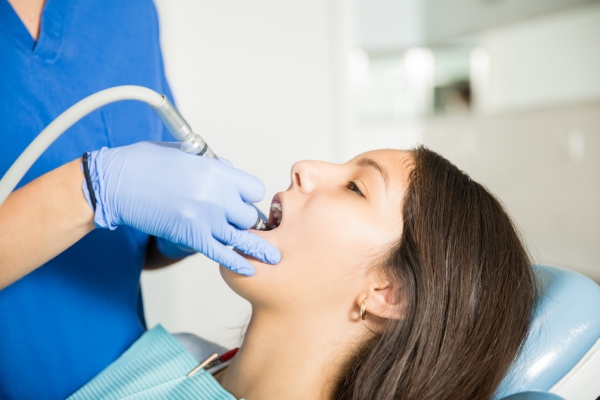
Airflow
Airflow is a minimally invasive dental cleaning system that uses a high-pressure jet of air, warm water, and powder (usually erythritol or sodium bicarbonate) to clean teeth surfaces, interdental spaces, and even below the gum line.
Advantages of Airflow
The airflow system offers several advantages that make it a preferred method for dental cleaning. It provides a gentle and comfortable experience for patients, as it does not require direct contact with the teeth or gums like traditional polishing methods. The procedure is also faster and more efficient, allowing for thorough removal of plaque, biofilm, and surface stains in less time. Because it uses fine powder particles, airflow cleaning is minimally abrasive, making it safe for use on natural teeth, restorations, orthodontic appliances, and dental implants. Additionally, it effectively cleans hard-to-reach areas, promoting better oral hygiene and gum health while maintaining the integrity of dental surfaces.


What are the types of Airflow
There are several types of airflow systems in dentistry, categorized mainly by the type of powder used and the area of the mouth they are designed to clean.
A Supra-Gingival Airflow is a type of airflow is used to clean the visible surfaces of the teeth above the gum line.
A Sub-Gingival Airflow is a type that focuses on cleaning below the gum line, targeting areas that are difficult to reach with traditional tools.
An Airflow for Orthodontic and Implant Care is a specialized airflow device and powders are designed for use around braces, wires, and dental implants.
Airflow with Different Powder Types:
Airflow systems can also be classified based on the powder material used:
- Sodium Bicarbonate Powder – for removing heavy stains above the gum line.
- Glycine Powder – for gentle cleaning both above and below the gum line.
- Erythritol Powder – ultra-fine and biocompatible, ideal for sensitive gums and implants.
- Calcium Carbonate Powder – for polishing and mild cleaning without enamel wear.
The Process of Airflow
The process of airflow dental cleaning begins with the dentist or hygienist preparing the patient by placing protective eyewear and ensuring proper suction is in place. The airflow device is then filled with a specialized powder, such as erythritol or sodium bicarbonate, mixed with compressed air and water.
When the handpiece is activated, it releases a fine, high-pressure jet of this mixture onto the tooth surfaces. The stream effectively dislodges and removes dental plaque, biofilm, and surface stains without damaging the enamel or soft tissues.
The warm water helps to wash away loosened debris, keeping the mouth clean and comfortable throughout the procedure. After all tooth surfaces are treated, the mouth is rinsed thoroughly, leaving the teeth feeling smooth, clean, and polished.
Frequently Asked Question
What is airflow dental cleaning?
Airflow dental cleaning is a modern, gentle method of removing plaque, biofilm, and surface stains using a controlled stream of air, water, and fine powder particles. It is a faster and more comfortable alternative to traditional scaling and polishing, leaving the teeth smooth and clean without causing discomfort.
Is airflow cleaning safe for everyone?
Airflow is generally safe for most patients, including those with braces, dental implants, or sensitive teeth. However, it may not be suitable for people with respiratory conditions, powder allergies, or open gum wounds, as the air and powder mist could cause irritation. Dentists evaluate each patient before performing the procedure to ensure safety.
What are the benefits of airflow compared to traditional polishing?
Airflow offers several advantages—it is quicker, less abrasive, and more comfortable than traditional methods. It effectively removes stains and plaque even in hard-to-reach areas, helps maintain gum and implant health, and provides a thorough, refreshing clean with minimal tooth surface wear.
How often should I get airflow treatment?
For most patients, airflow cleaning is recommended every six months, similar to a regular dental cleaning schedule. However, those with gum disease, implants, or orthodontic appliances may benefit from more frequent sessions as advised by their dentist or hygienist to maintain optimal oral health.