BLK 471B YISHUN STREET 42 #01-02 SINGAPORE 762471
The benefits of fluoride treatment go far beyond simply “preventing cavities.” Fluoride treatment is a professional dental procedure that strengthens tooth enamel, reverses early signs of decay, and significantly lowers the risk of long-term dental problems. It is one of the most researched and widely recommended preventive strategies in modern dentistry.
In simple terms, fluoride works as a protective shield for your teeth. It repairs microscopic enamel damage before it becomes a cavity and strengthens developing teeth in both children and adults.
If you’re exploring preventive dental solutions and long-term oral care planning, you can start by understanding the philosophy behind evidence-based dentistry at Ivory Dental Singapore, where prevention and patient education are central to every treatment plan.
What Is Fluoride Treatment and Why It Matters
Fluoride treatment involves the professional application of concentrated fluoride varnish, gel, or foam onto the teeth. Unlike toothpaste (which contains low fluoride levels), professional fluoride delivers a higher, controlled dose under clinical supervision.
This distinction is important because the benefits of fluoride treatment depend on both concentration and proper application technique. In a clinical setting, fluoride is carefully measured and applied directly to clean, dry enamel to maximize absorption. The controlled environment ensures safety while enhancing effectiveness, making professional fluoride significantly more potent than over-the-counter products. As a preventive strategy, it plays a critical role in strengthening teeth before visible decay develops.
Biological Protection Process
The core benefits of fluoride treatment lie in its ability to:
- Strengthen weakened enamel
- Reverse early white-spot lesions
- Slow bacterial acid production
- Reduce cavity formation
According to the World Health Organization, fluoride is recognised globally as a safe and effective public health measure in reducing dental caries.
Scientifically Proven Benefits of Fluoride Treatment
Let’s break down the major clinical advantages.
1. Significant Cavity Reduction
- Reduces cavities by 30–40%, especially in high-risk individuals
Clinical research consistently shows that one of the strongest benefits of fluoride treatment is its ability to significantly lower cavity rates. This reduction is particularly notable among children, teenagers, and adults with a history of frequent decay. Regular professional applications create an additional layer of protection that daily brushing alone may not fully provide.
2. Enamel Remineralisation
- Rebuilds weakened enamel surfaces before permanent damage occurs
Fluoride attracts calcium and phosphate ions, essential minerals that rebuild compromised enamel. This remineralisation process helps stop decay in its earliest phase, preventing the need for restorative procedures. Among the key benefits of fluoride treatment, this early intervention capability stands out as it addresses problems before they become clinically severe.
3. Protection for Children and Teens
- Integrates into developing enamel structure during tooth formation
Developing teeth are particularly responsive to fluoride. When applied during childhood and adolescence, fluoride becomes incorporated into the enamel matrix, strengthening teeth as they mature. This integration enhances long-term resistance to acid attacks, making preventive care especially valuable during growth years.
4. Cost-Effective Prevention
- More affordable than fillings
- More affordable than root canal treatments
- More affordable than crowns
- More affordable than tooth extractions
From an economic perspective, the benefits of fluoride treatment extend beyond biology. Preventive fluoride care is significantly less expensive than restorative procedures required to treat advanced decay. By reducing the need for invasive treatments, patients save both financial resources and clinical time.
5. Long-Term Gum Health Support
- Lowers inflammation triggers associated with untreated cavities
Although fluoride primarily protects enamel, preventing cavities also indirectly supports gum health. Untreated decay can lead to plaque accumulation and bacterial spread, which may trigger gum inflammation. By reducing cavity formation, fluoride contributes to a healthier oral environment overall.
A simple but powerful insight remains clear: prevention costs less than restoration. The long-term benefits of fluoride treatment are most effective when applications are scheduled during routine check-ups, keeping dental care simpler, shorter, and more comfortable over time.
Who Benefits Most from Fluoride Treatment?
While fluoride treatment is beneficial for almost everyone, its protective impact becomes even more significant for individuals with higher cavity risk. The benefits of fluoride treatment are most noticeable when enamel is frequently challenged by acid exposure or when natural protective factors, such as saliva, are reduced.
High-Risk Individuals
- Frequent sugar consumption
- Dry mouth (xerostomia)
- Orthodontic braces
- Previous history of cavities
- Poor oral hygiene
People in these categories experience repeated acid attacks that gradually weaken enamel. Frequent sugar intake fuels harmful bacteria, while dry mouth limits saliva’s ability to neutralize acids and repair early damage. Orthodontic braces create plaque-retentive areas that are difficult to clean thoroughly, increasing the risk of white-spot lesions. A history of cavities often indicates an oral environment where decay-causing bacteria are already active. In such cases, the benefits of fluoride treatment extend beyond basic prevention, fluoride reinforces enamel at vulnerable points, helping interrupt the cycle of recurring decay.
Children and Adolescents
Children aged 3–15 undergo continuous tooth eruption and enamel maturation. During this phase, fluoride becomes particularly valuable because it integrates into developing enamel, enhancing its structural strength. One of the long-term benefits of fluoride treatment in this age group is the creation of a more acid-resistant enamel surface that can better withstand dietary and bacterial challenges. Early reinforcement during developmental years often translates into fewer restorative procedures later in life.
Adults with Receding Gums
Fluoride is equally important for adults, especially those experiencing gum recession. When gums recede, root surfaces become exposed, and unlike enamel, these areas are made of softer dentin that decays more easily. The protective benefits of fluoride treatment help strengthen these exposed surfaces and reduce sensitivity while lowering the risk of root caries. This demonstrates that fluoride care is not age-specific, it supports oral health at every stage of life.
Step-by-Step: What Happens During Fluoride Treatment?
Understanding the procedure helps patients feel more confident and highlights the practical benefits of fluoride treatment in preventive dental care.
Step 1: Oral Assessment
The appointment begins with a comprehensive evaluation of the teeth and gums. The dentist assesses cavity risk, enamel condition, and any early signs of demineralisation to determine the appropriate frequency of application. This individualised assessment ensures the benefits of fluoride treatment are optimised according to each patient’s oral health status.
Step 2: Professional Cleaning (if needed)
If plaque or tartar is present, the teeth are gently cleaned before fluoride is applied. A clean enamel surface improves fluoride absorption and enhances its ability to strengthen weakened areas. Proper preparation directly supports the effectiveness of the treatment.
Step 3: Fluoride Application
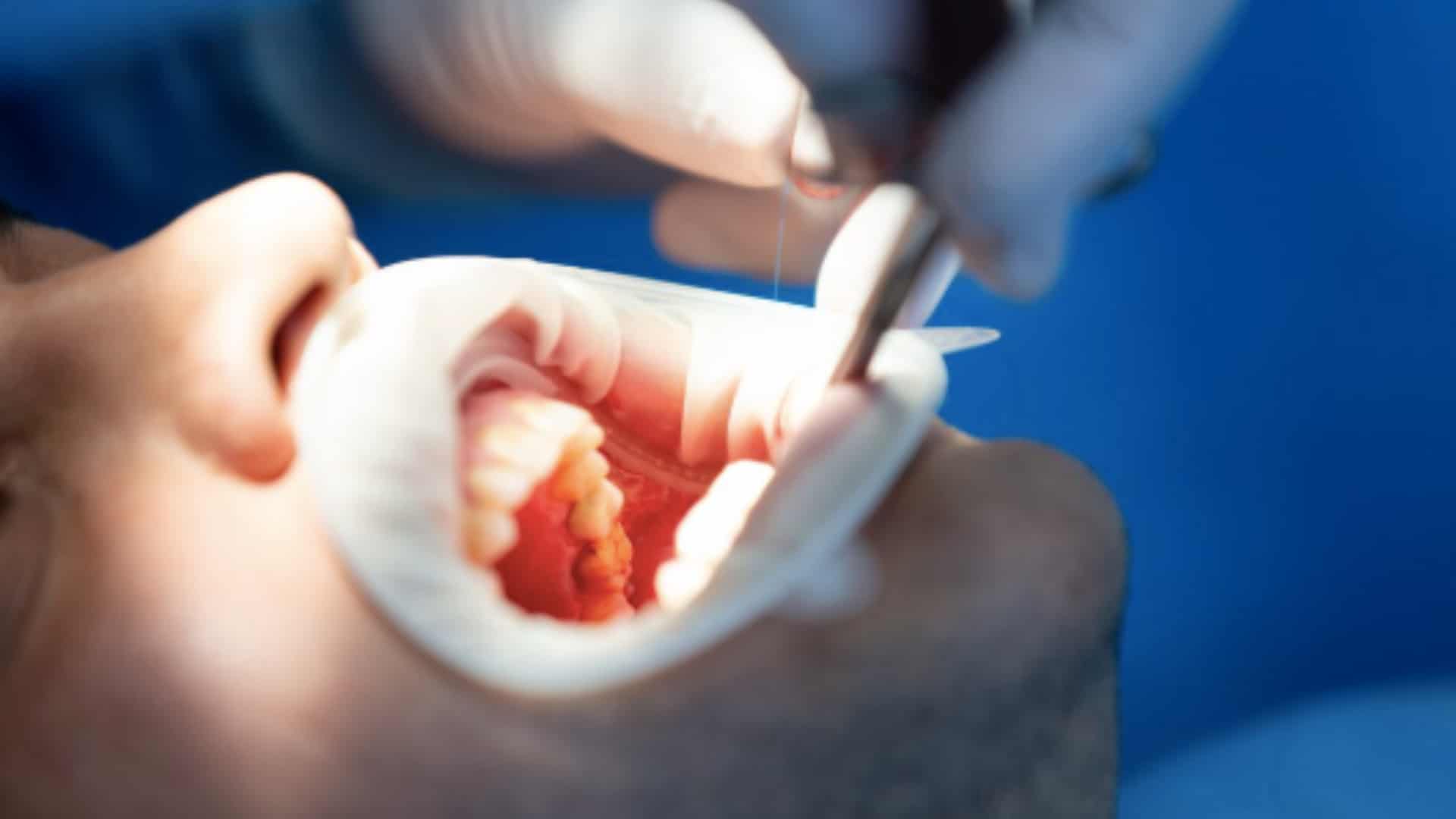
The dentist applies a concentrated fluoride varnish or gel using a small brush or tray. The material adheres quickly to the enamel and immediately begins the remineralisation process. Because the fluoride is professionally administered at a controlled concentration, patients receive deeper and longer-lasting protection than with daily toothpaste alone.
Step 4: Post-Treatment Instructions
After application, patients are advised to avoid eating for about 30 minutes and to temporarily avoid hot beverages. These simple precautions allow the fluoride to fully absorb into the enamel, helping maximise the long-term benefits of fluoride treatment.
The entire procedure typically takes only 5–10 minutes, making it a quick, safe, and highly effective preventive measure.
Pro tip: Avoid brushing immediately after varnish application to allow optimal fluoride absorption.
Internal Preventive Audit Snapshot (2024)
In a 12-month internal review of preventive dental patients:
| Group | Cavity Incidence | Treatment Needs |
|---|---|---|
| With fluoride (2x/year) | 32% lower | Fewer restorations |
| Without fluoride | Higher decay rates | More fillings required |
Additionally:
- 40% reduction in early enamel demineralisation
- Lower emergency dental visits
The measurable benefits of fluoride treatment clearly support preventive scheduling.
Fluoride Treatment vs Daily Fluoride Toothpaste
| Feature | Toothpaste | Professional Fluoride Treatment |
|---|---|---|
| Fluoride Strength | Low | High |
| Application | Daily | 2–4 times/year |
| Supervision | Home | Dental clinic |
| Protective Duration | Short-term | Long-lasting |
Both are essential, one maintains daily protection, the other reinforces deeper enamel strength.
Safety of Fluoride Treatment
Safety concerns surrounding fluoride often stem from incomplete or misleading information rather than scientific evidence. In reality, the benefits of fluoride treatment have been extensively studied and supported by global health authorities. In Singapore, the Health Promotion Board continues to recommend professional fluoride application as part of routine preventive dental care, reinforcing its role as a safe and effective public health measure.
Professional fluoride treatment is clinically controlled, scientifically validated, applied in safe concentrations, and carefully monitored by trained dentists. Each application follows strict dosage guidelines to ensure maximum effectiveness without exceeding recommended limits. The benefits of fluoride treatment are achieved through precise topical use, meaning fluoride is applied directly to the tooth surface rather than ingested. Toxicity concerns are associated only with excessive systemic ingestion over time, not with supervised clinical application. When administered properly, fluoride treatment remains one of the safest preventive interventions in modern dentistry.
Common Myths About the Benefits of Fluoride Treatment
Despite strong scientific backing, several misconceptions continue to circulate regarding the benefits of fluoride treatment. Addressing these myths helps patients make informed decisions based on evidence rather than fear.
Myth 1: Fluoride Is Unnecessary If You Brush
Brushing with fluoride toothpaste is essential, but it delivers a relatively low concentration designed for daily maintenance. Professional fluoride applications provide a higher, controlled dose that penetrates enamel more effectively. One of the key benefits of fluoride treatment is its ability to reinforce weakened enamel beyond what routine brushing alone can achieve, especially for individuals at moderate to high risk of cavities.
Myth 2: Adults Don’t Need Fluoride
Fluoride is not age-restricted. Adults frequently experience gum recession, dry mouth due to medications, or increased sugar exposure, all of which elevate cavity risk. In these situations, the protective benefits of fluoride treatment become particularly valuable, helping to strengthen exposed root surfaces and reduce the likelihood of root decay.
Myth 3: It’s Only for Kids
While children gain significant advantages because their enamel is still developing, adults remain susceptible to tooth decay throughout life. Bacterial activity, dietary habits, and natural enamel wear continue regardless of age. The long-term benefits of fluoride treatment therefore extend across all life stages, supporting sustained oral health and reducing the need for restorative procedures over time.
Conclusion: Strengthen Your Smile with Preventive Fluoride Care
The benefits of fluoride treatment are clear, measurable, and scientifically supported. From reducing cavity risk to strengthening enamel and lowering long-term dental costs, fluoride remains one of the most powerful preventive tools available in modern dentistry.
At Ivory Dental, preventive care is guided by evidence-based protocols and personalised risk assessment. If you’re ready to protect your smile or your child’s oral development, begin by learning more about comprehensive dental care at Ivory Dental Singapore and explore detailed clinical information directly on the Fluoride Treatment Service Page.
Taking preventive action today reduces the need for complex treatment tomorrow.
A practical reminder: maintaining regular dental visits, limiting sugary snacks, and combining daily fluoride toothpaste with professional fluoride applications creates a strong defence system for your teeth. Prevention isn’t complicated, it’s consistent.
FAQs (Frequently Asked Questions)
How often should fluoride treatment be done?
Most patients benefit from fluoride application every six months as part of their routine dental check-up, as this schedule helps maintain consistent enamel protection against acid attacks from food and bacteria. However, individuals with a higher risk of tooth decay, such as those with frequent cavities, orthodontic appliances, or reduced saliva flow, may need more frequent visits based on their dentist’s recommendation. Maintaining a regular schedule ensures you consistently receive the full benefits of fluoride treatment, helping to prevent long-term dental problems before they start.
Are the benefits of fluoride treatment immediate?
Yes, enamel strengthening begins almost immediately after application because fluoride quickly binds to the tooth surface and enhances its resistance to acid erosion. While the protective process continues over time, the initial reinforcement starts during the same appointment. These early protective effects highlight the immediate benefits of fluoride treatment, especially in preventing the progression of minor enamel weaknesses into more serious decay.
Is fluoride treatment safe for toddlers?
Yes, fluoride treatment is safe for toddlers when administered by a dental professional using carefully controlled, age-appropriate amounts. Dentists adjust the dosage based on a child’s weight, age, and cavity risk to ensure safety and effectiveness. When applied correctly, the benefits of fluoride treatment for toddlers include stronger developing enamel and reduced risk of early childhood cavities, which can otherwise impact eating, speaking, and overall oral development.
Can fluoride reverse existing cavities?
Fluoride can help reverse very early-stage tooth decay known as enamel demineralisation, where the surface of the tooth has started to weaken but has not yet formed a cavity. By promoting remineralisation, fluoride restores minerals to the enamel and strengthens it before permanent damage occurs. This preventive action is one of the key benefits of fluoride treatment, although it cannot repair advanced cavities that already require fillings or other restorative procedures.
Does fluoride treatment whiten teeth?
No, fluoride treatment does not function as a whitening procedure, as its primary role is to strengthen enamel and protect against decay rather than change tooth color. While stronger enamel may appear slightly smoother and healthier, noticeable whitening requires specific cosmetic treatments. The true benefits of fluoride treatment lie in long-term cavity prevention and enamel protection rather than aesthetic enhancement.