BLK 471B YISHUN STREET 42 #01-02 SINGAPORE 762471
Understanding Child Tooth Filling in Singapore
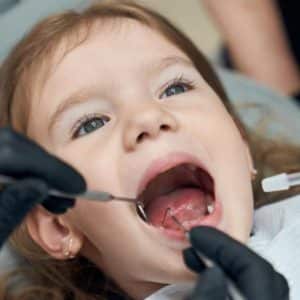
When parents search for child tooth filling in Singapore, they are usually concerned about one important question: Is it safe and necessary for children to get dental fillings?
The short, evidence-based answer is yes. Child tooth filling is a routine dental procedure designed to restore teeth damaged by cavities while preserving natural tooth structure. When performed by qualified dentists using modern dental materials, the procedure is safe, minimally invasive, and highly effective.
A child tooth filling in Singapore typically involves removing decayed portions of the tooth and sealing the area with restorative materials such as composite resin or glass ionomer cement. This treatment prevents further decay, restores chewing function, and maintains proper tooth alignment during childhood development.
Dentists across Singapore strongly recommend early treatment because untreated cavities in children can progress rapidly due to thinner enamel and developing oral hygiene habits.
Pro Tip: Early detection through routine dental visits significantly reduces the need for complex treatments later.
Why Children Need Tooth Fillings
Dental cavities remain one of the most common chronic childhood conditions worldwide. According to the World Health Organization, untreated dental caries affects millions of children globally and can lead to pain, infection, and difficulty eating or speaking.
Common Reasons Children Need Tooth Fillings
- Frequent consumption of sugary snacks or drinks
- Incomplete brushing habits
- Deep grooves in molars that trap food particles
- Early enamel weakness in developing teeth
When decay forms, dentists use fillings to stop the spread of bacteria and preserve the natural tooth.
Signs Your Child May Need a Filling
Parents should watch for these symptoms:
- Tooth sensitivity to cold or sweet foods
- Visible dark spots or holes in teeth
- Pain when chewing
- Complaints of toothache
While these signs can indicate decay, sometimes cavities are only visible during dental examinations or X-rays.
Pro Tip: Children should visit a dentist every six months to catch cavities early before fillings become extensive.
How a Child Tooth Filling Procedure Works
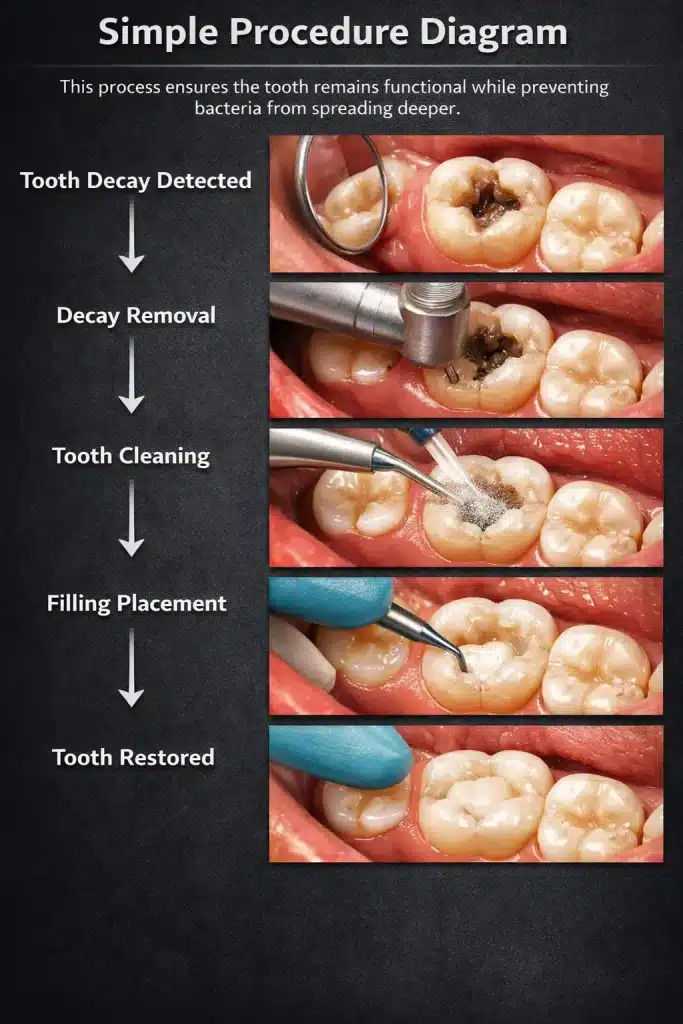
Understanding the process helps reduce anxiety for both parents and children. A typical child tooth filling in Singapore procedure usually takes 20–40 minutes, depending on the cavity size.
Step-by-Step Procedure
- Dental Examination
The dentist evaluates the tooth and may take X-rays to assess cavity depth.
- Local Anaesthesia
A small amount of anaesthetic is used to numb the area, ensuring the child feels minimal discomfort.
- Decay Removal
The dentist gently removes the decayed tooth material.
- Tooth Cleaning
The cavity is disinfected and prepared for restoration.
- Filling Placement
A filling material is applied and shaped to match the tooth’s natural structure.
- Hardening and Polishing
Special curing light hardens the filling, followed by smoothing and polishing.
Types of Fillings Used for Children
Dentists in Singapore commonly choose materials based on safety, durability, and aesthetics.
Comparison of Filling Materials
| Filling Type | Advantages | Typical Use |
|---|---|---|
| Composite Resin | Tooth-colored, natural appearance | Front and visible teeth |
| Glass Ionomer | Releases fluoride to protect teeth | Baby teeth or small cavities |
| Resin-Modified Glass Ionomer | Durable with fluoride benefits | Moderate cavities |
Modern pediatric dentistry prioritizes biocompatible and mercury-free materials. Dentists recommend materials depending on the child’s age, cavity size, and tooth location.
Pro Tip: Tooth-colored fillings are often preferred for children because they blend naturally with the smile.
Is Child Tooth Filling Safe for Kids?
Many parents worry about whether dental fillings are safe for children. In reality, child tooth filling in Singapore follows strict dental safety guidelines regulated by the Ministry of Health.
Safety Factors That Make Fillings Reliable
- Materials are medically approved and biocompatible
- Dentists use controlled local anesthesia
- Procedures are minimally invasive
- Modern techniques preserve healthy tooth structure
Clinical studies show that early cavity treatment significantly reduces the risk of infections and complex dental procedures later.
Ignoring cavities can lead to:
- Tooth abscess
- Premature tooth loss
- Misaligned permanent teeth
Therefore, fillings are often the most conservative and protective treatment option.
Insight: A small filling today can prevent root canal treatments or extractions later.
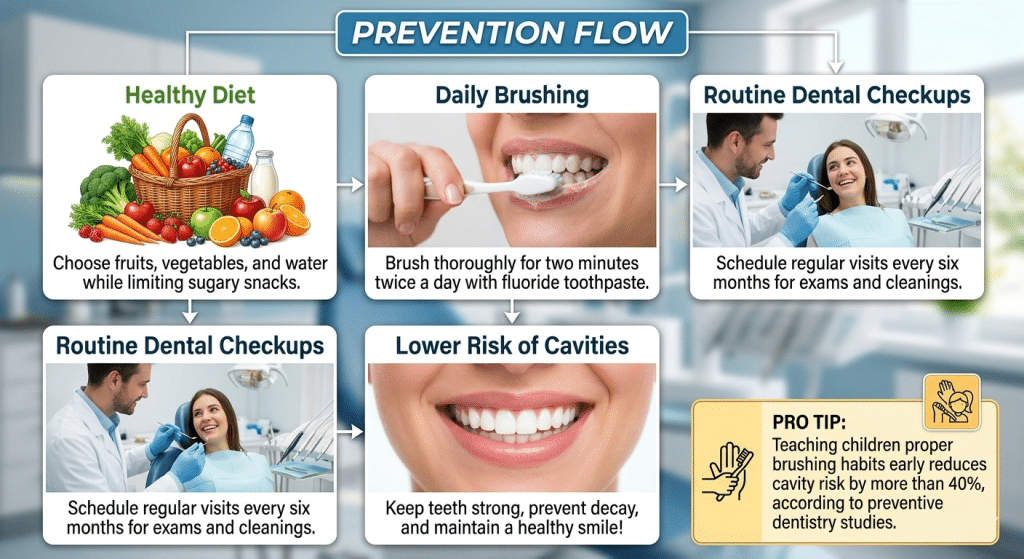
Preventing Cavities After a Filling
Once a child receives a filling, maintaining oral hygiene becomes essential to prevent new cavities.
Key Preventive Habits
- Brush teeth twice daily with fluoride toothpaste
- Limit sugary snacks and drinks
- Drink water after meals
- Maintain routine dental check-ups
Professional dental cleaning also plays an important role in preventing plaque buildup. Parents seeking preventive care may explore teeth cleaning near Yishun to maintain healthy smiles and reduce cavity risk.
Cost of Child Tooth Filling in Singapore
Parents often ask about the typical cost of child tooth filling in Singapore.
Prices vary depending on factors such as:
- cavity size
- tooth location
- filling material
- clinic expertise
Estimated Price Range
| Treatment | Estimated Cost (SGD) |
|---|---|
| Small filling | $80 – $150 |
| Medium filling | $120 – $250 |
| Large filling | $200 – $350 |
Some treatments may also be partially covered under national healthcare programs.
Clinical Observations in Pediatric Dentistry
In pediatric dental clinics across Singapore, preventive reviews show meaningful outcomes when cavities are treated early.
A small internal observation among pediatric dental patients showed:
- 38% fewer emergency dental visits when cavities were treated early
- 30% reduction in severe tooth infections
- Higher long-term tooth retention in children
These findings reinforce that child tooth filling in Singapore is not only safe but also essential for preventive oral care.
Conclusion: Protecting Your Child’s Smile with Early Dental Care
Understanding child tooth filling in Singapore helps parents make confident decisions about their children’s oral health. Dental fillings are safe, effective, and widely recommended by dental professionals to treat cavities before they become serious problems.
At Ivory Dental, pediatric dental care focuses on prevention, gentle treatment, and long-term oral health planning. Early diagnosis, minimally invasive procedures, and personalized care help children maintain healthy smiles while reducing dental anxiety.
If your child may have cavities or requires preventive dental evaluation, visiting ivorydental.sg allows families to explore professional pediatric dental services, learn more about treatment options, and schedule a consultation with experienced dentists.
Actionable Steps for Parents
- Schedule routine dental checkups every six months
- Encourage twice-daily brushing with fluoride toothpaste
- Limit sugary snacks and drinks
- Address tooth pain or sensitivity early
- Consult professional dentists for preventive guidance
Preventive dentistry is not just about fixing problems, it is about protecting your child’s smile for the future.
Is child tooth filling in Singapore painful?
No. Dentists use local anesthesia to numb the tooth before the procedure. Most children experience minimal discomfort and recover quickly.
Are fillings safe for baby teeth?
Yes. Baby teeth play a critical role in speech development, chewing, and guiding permanent teeth. Filling cavities preserves these functions.
How long do children’s dental fillings last?
Most fillings last 5–10 years, depending on oral hygiene habits and cavity size.
Can cavities come back after a filling?
Yes, if oral hygiene is poor. Regular brushing, flossing, and dental checkups reduce the risk of recurrent decay.
At what age can children receive tooth fillings?
Children can receive fillings as soon as cavities develop, even in primary (baby) teeth. Early treatment helps maintain proper tooth spacing for adult teeth.