RESTORATIVE & SURGICAL DENTAL TREATMENTS
Dental Fillings
Despite our best efforts to maintain good oral hygiene, tooth decay can sometimes occur. In such cases, a dental filling is needed to restore the affected tooth.
This restorative procedure involves carefully removing the decayed and bacteria-infected areas of the tooth, then filling the cavity with a suitable dental material. This helps restore the tooth’s form and function, while also sealing the cavity to prevent further decay and reduce tooth sensitivity.
About Cavities and Their Effects
A cavity, or tooth decay, develops when bacteria in dental plaque (a sticky mix of bacteria, saliva, acids, and food debris) feed on sugars from our diet. These bacteria produce acids that erode the tooth’s surface, eventually forming a hole in the tooth.
In the early stages, decay often causes no discomfort, making it difficult to detect. It may begin beneath the enamel and progress silently for some time. Cavities also tend to develop in areas where food particles are easily trapped, such as between teeth, even with regular brushing and flossing. Routine dental check-ups are therefore essential to detect and treat decay early before it causes further damage.
Common Symptoms of Tooth Decay:
- Persistent or unexplained toothache
- Sensitivity to hot, cold, sweet, or sour foods
- Pain when chewing or biting
- Visible pits or holes on teeth
- Dark spots, shadowing, or discoloration
- Food frequently getting trapped in the same area
Why Treat Cavities Early?
If left untreated, small cavities can expand and reach deeper layers of the tooth. The decay creates an ideal environment for bacteria to thrive, allowing damage to spread from the enamel to the dentin and eventually the pulp. Once this happens, discomfort becomes more frequent and intense, and treatment becomes more complex and costly.
Getting a dental filling promptly helps stop decay progression, restore tooth structure, and prevent further complications.
The Process Of Dental Filling
Step 1: Identify Decay
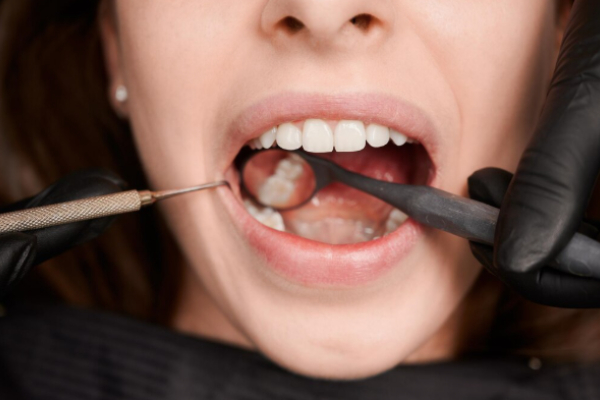
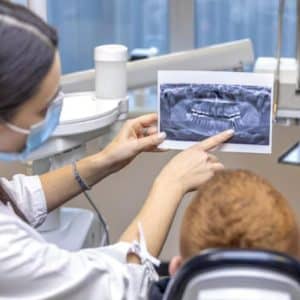
Your dentist examines the tooth and may take X-rays to locate and assess the decay.
Step 2: Numb the Area
Local anaesthesia is applied to keep you comfortable during the procedure.
Step 3: Remove Decay
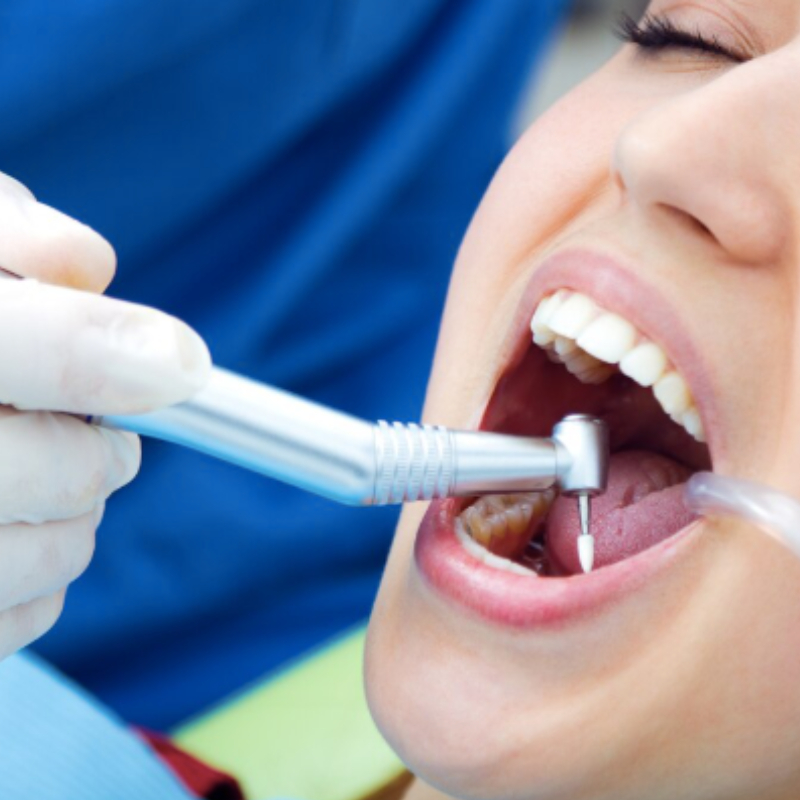
The dentist removes the decayed and damaged parts of the tooth, possibly using a dental dam for isolation.
Step 4: Clean and Prepare
The cavity is cleaned and shaped to ensure a proper fit for the filling.
Step 5: Fill and Polish
The filling material is placed, shaped, and polished. The dentist checks your bite and makes final adjustments for comfort.
Frequently Asked Question
Is there any government subsidy for my child’s dental treatment?
Parents can use the Baby Bonus or their child’s CDA account to help offset the cost of dental treatments.
When should I bring my child for his/her first dental check-up?
The Singapore Pediatric Dentistry Society recommends bringing children for their first dental visit before 12 months old. During the visit, the dentist will assess your child’s oral health and provide guidance on preventive home care to avoid tooth decay.
Why we encourage early dental visits?
Introducing dental visits early helps children form positive associations with dental care. If their first visit happens only when they are in pain, the experience can create fear and anxiety toward future appointments. Early visits allow children to see dental checkups as a fun, comfortable routine and help establish lifelong oral care habits.
Dentists can also discuss diet and oral hygiene tips to protect baby teeth and reduce the chances of cavities or the need for complex treatments later on.
What If a baby tooth is loose while a permanent tooth is growing behind It?
Since each child’s situation is unique, it’s best to consult a dentist for an examination and guidance on managing the erupting teeth.
How to spot defective teeth in babies?
Early signs of decay may appear on the upper front teeth as brown spots, chalky white areas, or small holes. Parents are encouraged to gently lift their child’s upper lip to check for these signs and visit a dentist for proper assessment and care if any are noticed.