 BLK 471B YISHUN STREET 42 #01-02 SINGAPORE 762471
ADVANCED RESTORATIVE & COSMETIC DENTISTRY
Dental Implants
At Ivory Dental, we provide advanced dental implant in Yishun Singapore to replace missing teeth and restore your smile. Our experienced dental team uses modern implant technology to deliver stable, natural-looking results that support long-term oral health.
How Dental Implants Work
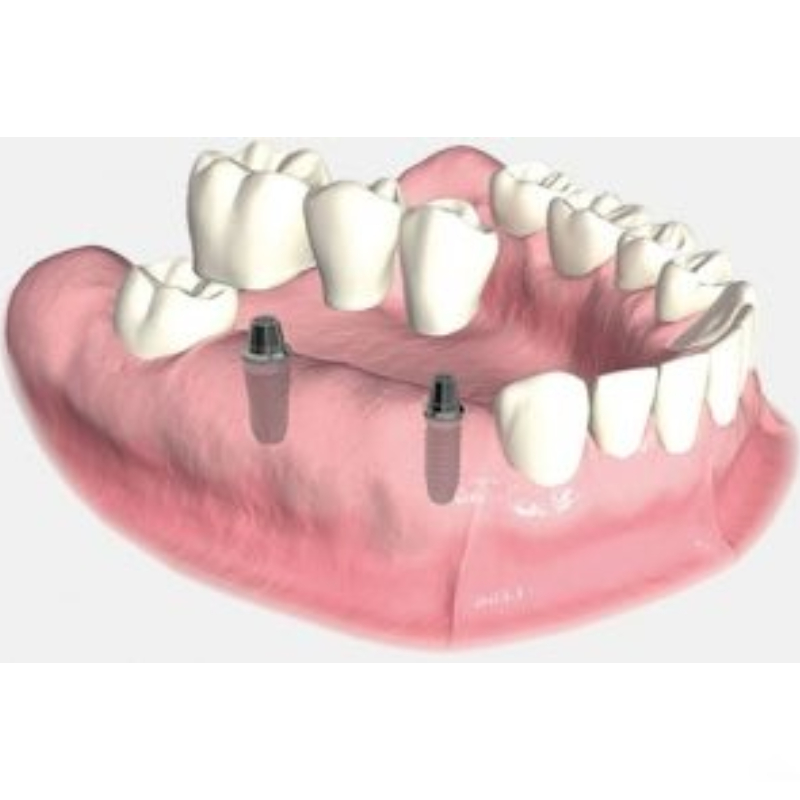
Implants fuse naturally with the jawbone through a process called osseointegration, providing strong support for artificial teeth. Once the implant has bonded with the bone, an abutment (connector) and crown or bridge are placed on top to restore both function and appearance.
Implant Structure
- Fixture (Implant): A titanium or ceramic screw that replaces the natural tooth root.
- Abutment: Connects the implant fixture to the crown or bridge.
- Prosthesis: The visible part of the implant, such as a crown (single tooth), bridge (multiple teeth), or denture (full arch).
Why Choose Dental Implants
- Convenient: Fixed and natural-feeling—no need for removal at night.
- Stable: Firmly anchored to the jawbone, unlike removable dentures.
- Durable: Can last many years with proper care and maintenance.
Treatment Process
-
Consultation & Assessment
A thorough evaluation determines your suitability for implants. Candidates should have healthy gums, sufficient bone, and good oral hygiene. Some cases may require bone grafting before implant placement. -
Implant Placement
The implant fixture is surgically inserted into the jawbone. If the bone is too soft or thin, grafting may be performed first to ensure stability. -
Crown or Bridge Placement
After healing (about 3–6 months), the abutment and custom-made crown or bridge are attached once the implant has fully integrated with the bone. -
Follow-Up & Maintenance
Mild swelling, pain, or bleeding may occur post-surgery. Soft foods and medication may be recommended during healing. Regular check-ups are essential to maintain implant health.
Getting Dental Implants
While dental implants offer a highly effective and natural-looking solution, not everyone is an ideal candidate. Our dentists will perform a comprehensive assessment, including 3D X-rays when necessary, to ensure the safest and most suitable treatment plan for you.
Frequently Asked Question
Am I Suitable for Dental Implants?
Not everyone is a candidate for dental implants. A thorough dental examination is required to assess your oral health, bone condition, and overall suitability for the procedure.
How Should I Care for Dental Implants?
Good oral hygiene is key to maintaining your implants. Use interdental brushes or floss designed for implants to clean hard-to-reach areas and prevent plaque buildup.
How Do I Maintain My Dental Implants?
Implants should be cleaned and checked regularly—just like natural teeth. Maintain daily oral hygiene and schedule professional cleanings and reviews with your dentist.
Why Is Replacing a Missing Tooth Important?
A missing tooth can cause bone loss and shifting of nearby teeth. Dental implants restore both function and structure, preserving bone health and preventing teeth from drifting into empty spaces.