Blk 471B Yishun Street 42, #01-02, Singapore 762471
Dental implant aftercare refers to the care you take after implant surgery to help the treated area heal properly and protect the implant during recovery. The first few days are especially important, as the gums and surrounding tissues are still recovering from the procedure.
While some soreness, swelling, or tenderness can be expected, simple habits can make the recovery period more manageable. Here are seven helpful dental implant aftercare tips to keep in mind after your procedure.
Good dental implant aftercare also helps you understand what is normal during recovery and what may need attention from your dentist. Having a simple routine can make the healing period easier to manage.
1. Follow Your Dentist’s Aftercare Instructions
Your dentist’s instructions should be the starting point for your recovery. Every implant procedure is a little different, so advice given to another patient may not necessarily apply to you.

After surgery, you may be given instructions about medication, eating, brushing, rinsing, and physical activity. Follow these directions as closely as possible, especially during the first few days.
If medication has been prescribed, take it according to the instructions rather than changing the dose yourself. If something is unclear, it is better to ask your dental team.
2. Choose Soft Foods During the Early Recovery
Eating can feel slightly awkward after dental implant surgery, particularly when the implant is placed in an area you normally use for chewing. Soft foods can reduce pressure on the treated area while making meals easier.
Some suitable options include:
- Porridge or congee
- Mashed potatoes
- Scrambled eggs
- Soft pasta
- Steamed or soft vegetables
- Soup that is not too hot
Try to avoid hard, crunchy, or very chewy foods that could irritate the area. You should also avoid chewing directly on the implant site until your dentist says it is safe.
3. Keep Your Mouth Clean, But Be Gentle
Good oral hygiene remains important after implant surgery because bacteria and plaque can affect the tissues around the implant. At the same time, the surgical area needs to be treated gently while it heals.
Do not aggressively brush or poke the implant site. Depending on your procedure, your dentist may recommend a particular brushing or rinsing routine.
This balance between cleanliness and being gentle is an important part of dental implant aftercare.
4. Avoid Smoking During Recovery
Smoking is one habit worth taking seriously after implant surgery. Tobacco can interfere with wound healing and has been associated with poorer outcomes in dental implant treatment.
If you smoke, ask your dentist how long you should avoid smoking before and after your procedure. The longer-term goal is also worth considering, since keeping the gums healthy is important for maintaining an implant.
5. Give Your Body Time to Rest
It is normal to want to return to your regular routine quickly, especially if the procedure itself went smoothly. Still, your body needs time to recover.
During the early recovery period, avoid activities that your dentist has told you to limit. Strenuous exercise may need to be avoided for a short period, depending on the procedure.
You should also avoid repeatedly touching the surgical area with your fingers or tongue. It is easy to become curious about how the implant feels, but leaving the area alone gives the tissues a better chance to heal without unnecessary irritation.
6. Manage Swelling and Discomfort Properly
Some swelling, tenderness, or mild discomfort can occur after implant surgery. The experience is not exactly the same for every patient, as factors such as the number of implants, treatment location, surgical complexity, and whether bone grafting was required can affect recovery.
If you are concerned about the procedure itself, you can read Are Dental Implants Painful? to understand more about discomfort before, during, and after dental implant treatment.
Cold compresses may sometimes be recommended to help with swelling during the early period. Medication may also be recommended by your dentist. Use these only according to the instructions given to you.
With consistent dental implant aftercare, patients can take an active role in protecting the treated area while it heals. Small habits such as gentle cleaning and avoiding pressure on the implant can be useful during recovery.
7. Attend Your Follow-Up Appointments
Follow-up appointments are an important part of dental implant aftercare because your dentist needs to check how the surgical area is healing.
During these visits, your dental team can examine the gums and surrounding tissues and determine whether recovery is progressing as expected. They can also advise when you can return to normal eating, exercise, and oral hygiene habits.
A systematic review published in 2026 reported an estimated implant survival rate of 93.0% at 20 years across the prospective studies included in its analysis. The researchers also noted differences between studies, which is why long-term maintenance and follow-up remain important.
With consistent dental implant aftercare, patients can take an active role in protecting the treated area while it heals. Small habits such as gentle cleaning and avoiding pressure on the implant can be useful during recovery.
Dental Implant Aftercare: What to Do and What to Avoid
It can be useful to think of recovery as a combination of things you should do and things you should avoid.
| During recovery | What to avoid |
|---|---|
| Follow your dentist’s instructions | Smoking |
| Eat softer foods when needed | Hard and crunchy foods |
| Keep your mouth clean as advised | Touching the surgical area |
| Take medication as instructed | Changing medication without advice |
| Get enough rest | Strenuous activity when restricted |
| Attend follow-up appointments | Ignoring worsening symptoms |
These basic dental implant aftercare steps can help reduce unnecessary irritation while the implant area is healing. They are simple habits, but they can make a difference during the early recovery period.
What Does a Typical Recovery Look Like?
Consider a patient who has one implant placed to replace a missing tooth. After the anaesthetic wears off, they notice some tenderness around the gum and choose soft food for the next few days.
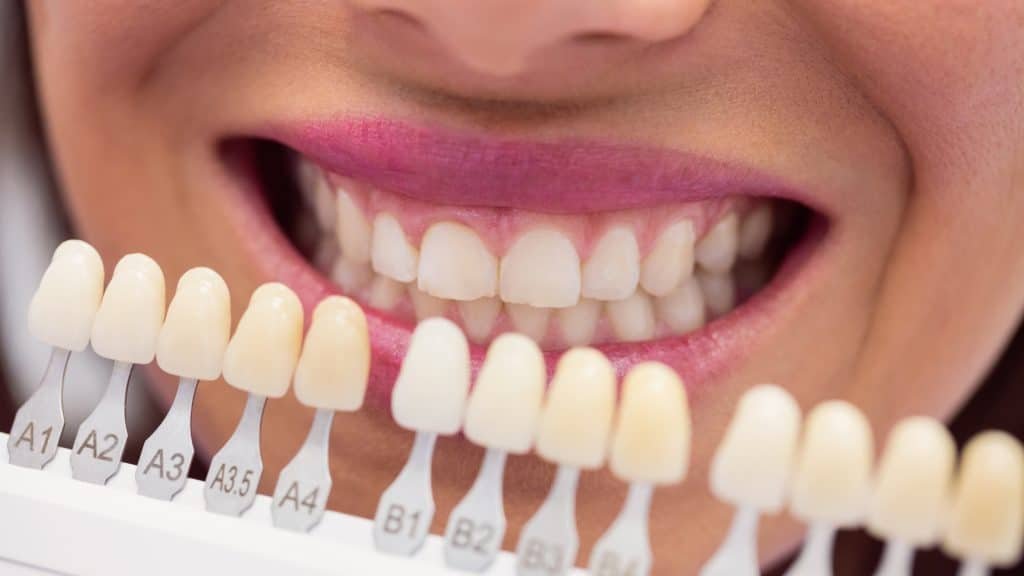
Rather than repeatedly touching the area or chewing on it, they follow their dentist’s instructions, keep the mouth clean and attend the scheduled review. The discomfort gradually becomes less noticeable.
The important point is that healing does not happen overnight. The gums may start feeling better relatively quickly, while osseointegration, the process where the implant integrates with the jawbone, takes considerably longer.
What Should You Avoid During Dental Implant Aftercare?
Following dental implant aftercare instructions also means being patient with your recovery. Even if the implant feels fine after a few days, the tissues and jawbone may still be healing underneath. Avoid putting unnecessary pressure on the treated area and continue following your dentist’s advice until you are cleared to return to your usual routine.
When Should You Contact Your Dentist?
Not every bit of discomfort means there is a problem. However, symptoms that become severe or continue getting worse should not simply be ignored.
Contact your dentist if you experience:
- Pain that becomes increasingly severe
- Significant or increasing swelling
- Bleeding that does not settle
- Fever or feeling generally unwell
- Unusual discharge or a persistent bad taste
- A loose implant or restoration
- Any symptom that feels unusual or concerning
It is better to have a dental professional assess a concern early than to wait for it to become more serious.
One of the purposes of dental implant aftercare is knowing when a symptom is part of normal recovery and when it should be checked. If you are unsure about a change in pain, swelling, or the surgical area, contact your dental team.
With consistent dental implant aftercare, patients can take an active role in protecting the treated area while it heals. Small habits such as gentle cleaning and avoiding pressure on the implant can be useful during recovery.
Conclusion: Follow These Dental Implant Aftercare Tips for a Smoother Recovery
Dental implant aftercare is mostly about giving the treated area enough time to heal while keeping your mouth clean and avoiding unnecessary pressure or irritation. Following your dentist’s instructions, eating suitable foods, avoiding smoking, resting, managing discomfort and attending follow-up appointments can all support the recovery process.
Ivory Dental provides dental implant treatment as part of its restorative and surgical dental services. If you are considering a dental implant or want to understand what treatment and aftercare may involve for your situation, visit Ivory Dental to learn more and arrange a consultation.
Good dental implant aftercare does not end once the initial soreness disappears. Long-term cleaning, regular dental visits and monitoring of the tissues around the implant are also important.
Frequently Asked Questions
What should I do after getting a dental implant?
Follow your dentist’s instructions, keep your mouth clean as advised, choose comfortable foods, avoid disturbing the surgical area and attend your follow-up appointments. Smoking should also be avoided because it can interfere with healing.
How long does dental implant aftercare take?
The most noticeable recovery usually happens during the first several days and weeks, but the implant itself can take longer to fully integrate with the jawbone. Your dentist can provide a more specific timeline based on your treatment.
Can I eat normally after dental implant surgery?
You may need to choose softer foods during the early recovery period, especially if chewing is uncomfortable. Avoid placing unnecessary pressure on the implant site until your dentist confirms that you can return to your normal diet.
Can I brush my teeth after dental implant surgery?
Oral hygiene is important, but the surgical area may need special care immediately after treatment. Follow your dentist’s instructions about when and how to clean around the implant rather than brushing the area aggressively.
Is swelling normal after a dental implant?
Some swelling can occur after implant surgery and may be part of the normal healing process. However, swelling that becomes significantly worse or is accompanied by severe pain, fever, or other concerning symptoms should be assessed by your dentist.