ADVANCED RESTORATIVE & COSMETIC DENTISTRY
Dentures
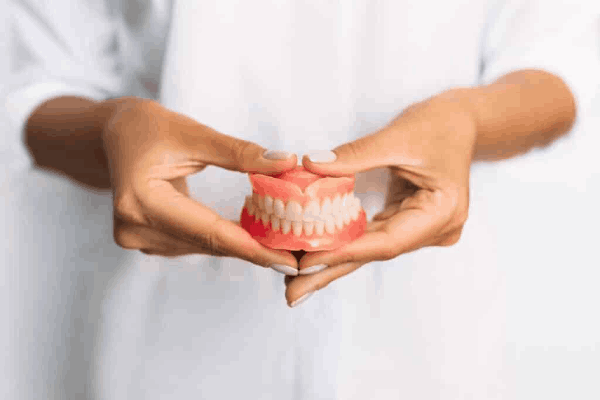
Dentures are removable replacements for missing teeth and surrounding tissues. While they may take some time to get used to, modern dentures are now more natural-looking and comfortable than before.
There are two main types of dentures: full and partial. Your dentist will help determine which option is best based on your oral condition and budget. Each denture is custom-made from impressions of your mouth using the material best suited for your needs.
Types of Dentures
There are three common types of denture materials:
Acrylic dentures
Made from gum-like acrylic material, these are popular for partial or full dentures.
- Advantages: Durable with newer hybrid materials; more affordable.
- Disadvantages: Prone to wear, cracks, and need replacement every 5–8 years.
Metal dentures
Constructed from cobalt-chromium alloys with non-metal teeth and gum parts.
- Advantages: Slim, strong, and long-lasting.
- Disadvantages: Higher cost; possible metal allergies.
Flexible dentures
Made from nylon, polycarbonate, or similar materials.
- Advantages: Natural-looking, no metal hooks, flexible, and allergy-free.
- Disadvantages: Pricier than acrylic; not suitable for every case.
What To Expect During Treatment?
Stage 1: Assessment & pre-denture care
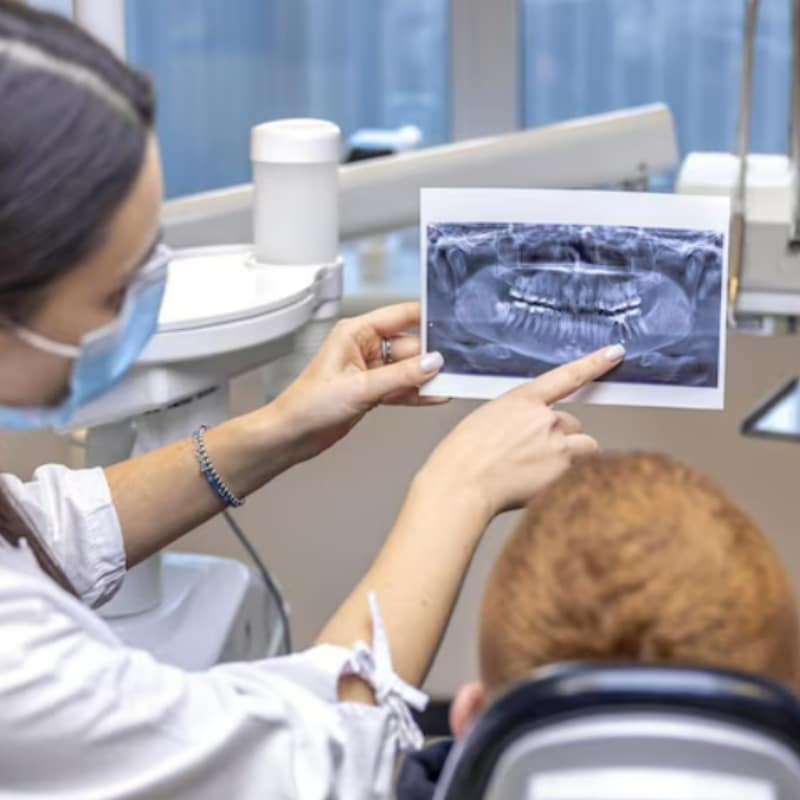
Your dentist will examine your gums and teeth to ensure they’re ready for dentures. Any gum issues, decayed, or loose teeth must be treated first. After extractions, healing usually takes around 3 months before impressions can be taken.
Stage 2: Denture fabrication
Denture creation typically requires 2–5 visits. Measurements and bite records are taken to ensure a precise fit. In complex cases, a trial denture may be tested before final adjustments and fitting. Minor adjustments may be needed as you adapt to your new dentures.
Stage 3: Post-delivery care
It may take several weeks to get used to your dentures. Some discomfort, pain, or speech difficulty is normal at first. If pain or ulcers persist beyond 2–3 days, inform your dentist. Avoid wearing dentures while sleeping to allow your gums to rest and prevent fractures from clenching.
How To Clean Your Dentures?
Clean dentures after meals or at least twice daily. Rinse with water, then gently brush using a soft toothbrush—avoid toothpaste or abrasive cleaners. Always clean them outside your mouth to reach all areas, especially the underside. Clean over a sink half-filled with water to prevent breakage if dropped.
How To Store Your Dentures
When not in use, store dentures in a moist environment—preferably in a denture box with water. Keeping them hydrated prevents warping and extends their lifespan.
Frequently Asked Question
What Food Should I Avoid When Using Dentures?
When wearing dentures, avoid foods that can damage or dislodge them, such as:
- Sticky foods like peanut butter or gummy candies
- Foods with small particles like popcorn kernels, sesame seeds, or nuts that can get trapped under dentures
- Hard foods such as apples, raw carrots, or corn on the cob
- Tough meats like steak, pork chops, or ribs
Can I Sleep With My Dentures On?
Wearing dentures while sleeping is not recommended. Continuous wear can lead to bacterial buildup, bad breath, and gum inflammation. Removing them at night allows your gums to rest and stay healthy.