IVORY DENTAL PTE LTD

ROUTINE & PREVENTIVE DENTAL CARE

Fluoride Treatment

Fluoride helps strengthen our teeth by making them more resistant to decay and decreasing tooth sensitivity.

What Is Flouride Treatment?

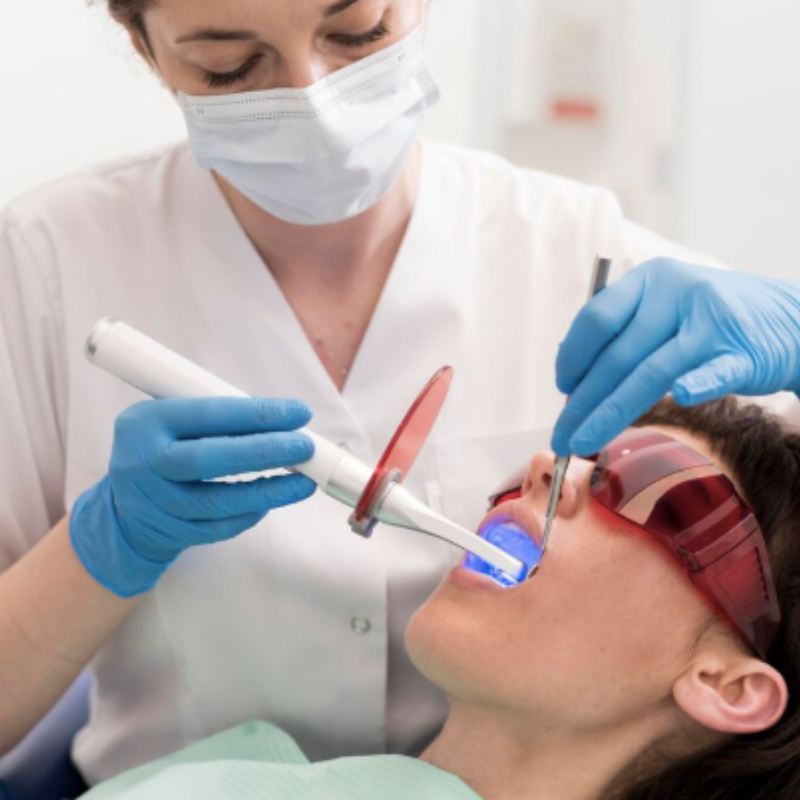
Fluoride treatment is a procedure in which a concentrated form of fluoride is applied to the teeth, typically as a gel or varnish. This fluoride is much stronger than the amount found in regular toothpaste.

How Does Fluoride Treatment Benefit Your Teeth?
Fluoride bonds with your tooth enamel, helping to restore essential minerals like calcium and phosphate that may have been lost due to bacterial damage. This process helps repair weakened or eroded enamel, strengthening the surface of your teeth.

As a result, fluoride treatment helps protect your teeth from future bacterial attacks and prevents the formation of cavities.

Who Needs Flouride Treatment?

The frequency of fluoride treatments depends on your oral health assessment. Your dentist will recommend the best schedule based on your individual needs. Consider these factors before consulting your dentist:

Children
Dental cavities are among the most common chronic conditions in children. For this reason, it’s often advised for kids to receive fluoride treatments every 3–6 months, depending on their risk of developing cavities.

Adults
As adults may experience gum recession, which exposes more of the tooth surface, they become more vulnerable to cavities. Adults at higher risk for tooth decay typically benefit from fluoride treatments twice a year.

Patients with Braces or Orthodontics
Braces and other orthodontic appliances create hard-to-reach spaces between teeth, where plaque can build up and lead to decay. Fluoride treatments are beneficial for individuals with braces to protect their teeth from cavities and decay during orthodontic treatment.

The Process Of Fluoride Treatment

Step 1 : Teeth Cleaning
First, your teeth will be thoroughly cleaned to remove any plaque, tartar, or buildup. This ensures the fluoride can be absorbed effectively during the treatment.

Step 2 : Flouride Application
Next, your dentist will apply a concentrated fluoride gel or varnish to your teeth. The application process typically takes just 2-3 minutes.

Step 3: Flouride Absorption
For optimal fluoride absorption, it’s important to avoid eating or drinking for 30 minutes after the treatment. This helps the fluoride fully penetrate and strengthen your teeth.

Let us help you maintain a healthy, radiant smile for life.

Frequently Asked Question

How does fluoride treatment help patients with tooth sensitivity?

Daily wear and tear from eating and drinking and diets high in acidic food and beverages can cause plaque to demineralise the enamel layer of your teeth. When the enamel layer is weakened, your teeth become sensitive to external stimuli.

Fluoride helps to re-deposit these minerals (calcium, phosphate and fluoride) into the enamel. The remineralised enamel can now protect your teeth, reducing teeth sensitivity.

Practising good oral hygiene and having routine dental visits will help to reduce the risk of developing tooth decay.

However, there are people who are more prone to tooth decay and cavities because of their lifestyles and health conditions.

Depending on your risk of developing tooth decay, your dentist may recommend fluoride supplements and treatments after the initial assessment of your oral condition. These supplements can come in the form of tablets, mouthwash, gels and more.

Overdosing on fluoride supplements can cause nausea, diarrhoea and tiredness.

Children aged under six should avoid using fluoridated toothpaste because they may not have learnt how to spit thoroughly. Leftover fluoride can build up in their mouths and lead to fluorosis.

Fluorosis causes the development of brittle spots on teeth. This can cause teeth to break easily, which puts children at a higher risk of dental infection.