BLK 471B YISHUN STREET 42 #01-02 SINGAPORE 762471
Fluoride treatment for kids is a preventive dental procedure that strengthens tooth enamel, reduces the risk of cavities, and supports healthy oral development during childhood. It involves the professional application of concentrated fluoride in the form of varnish, gel, or foam directly onto a child’s teeth.
To put it simply, fluoride works like a shield. It reinforces enamel, repairs early microscopic damage, and makes teeth more resistant to acid attacks from bacteria and sugary foods.
In modern paediatric dentistry, fluoride treatment for kids is considered one of the safest and most effective ways to prevent early childhood tooth decay, especially during the cavity-prone years between ages 3 and 12.
If you’d like to understand how preventive dentistry fits into long-term oral health planning, you can explore the philosophy behind children’s dental care at Ivory Dental Singapore, where prevention is prioritised over invasive treatment.
What Is Fluoride and How Does It Work?
Fluoride is a naturally occurring mineral found in:
- Water
- Soil
- Certain foods
- Dental products
Fluoride plays a crucial role in protecting developing teeth, especially during childhood when enamel is still maturing. When applied professionally, Fluoride treatment for kids works through a process called remineralisation. This process helps repair microscopic areas of enamel damage before they develop into visible cavities. Because children are more prone to frequent snacking and sugary foods, their teeth are constantly exposed to acid attacks, and fluoride helps counteract that damage.
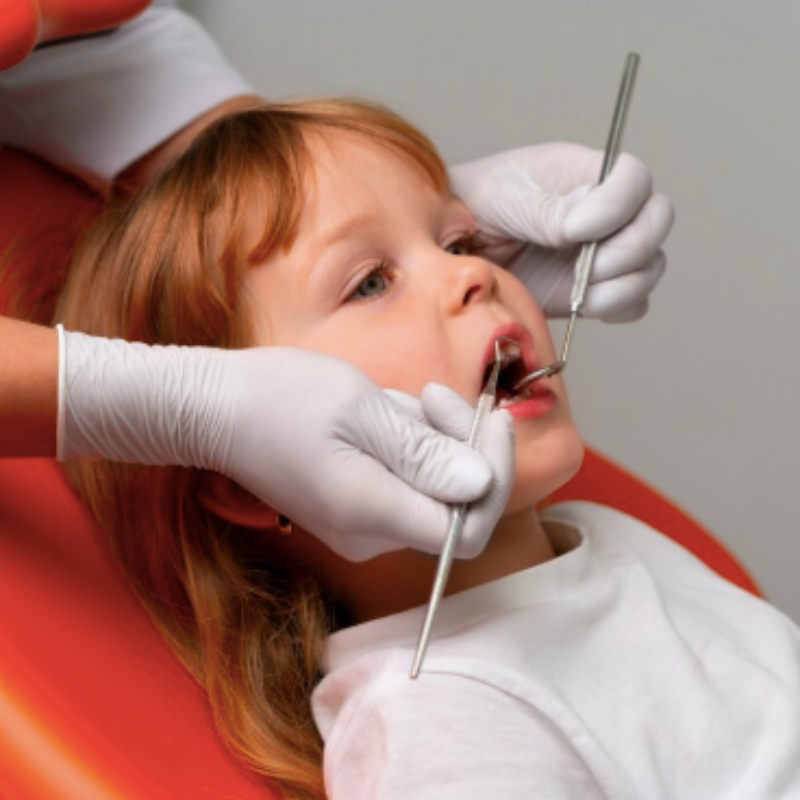
Three Key Mechanisms of Action:
- Strengthens enamel crystals
Fluoride integrates into the enamel structure, forming a more acid-resistant surface. This makes children’s teeth stronger and better able to withstand daily wear and exposure to sugars.
- Reverses early tooth decay
In its earliest stage, tooth decay appears as white spots caused by mineral loss. Fluoride helps redeposit lost minerals like calcium and phosphate back into the enamel, effectively stopping early decay before it progresses.
- Reduces bacterial acid production
Fluoride interferes with the ability of cavity-causing bacteria to produce acid. Less acid means fewer opportunities for enamel breakdown and long-term damage.
Unlike toothpaste fluoride (which is lower concentration), professional Fluoride treatment for kids delivers a higher, carefully controlled dose that offers deeper and longer-lasting protection. This is particularly beneficial for children who are at moderate to high risk of cavities.
Why Children Are More Vulnerable to Cavities
Children’s teeth are:
- Thinner in enamel
- Still developing
- Often exposed to sugary snacks
- Harder to clean thoroughly
According to public health insights from the Health Promotion Board, dental decay remains one of the most common chronic conditions affecting children in Singapore.
Early prevention matters because untreated cavities in baby teeth can:
- Cause pain
- Affect speech development
- Impact nutrition
- Lead to infections
Fluoride treatment for kids acts as an early intervention strategy.
When Should Kids Start Fluoride Treatment?
Most dentists recommend fluoride application:
- From age 3 onwards
- Earlier if high cavity risk is present
- During routine 6-month dental check-ups
Risk-Based Recommendation Table
| Child’s Risk Level | Fluoride Frequency |
|---|---|
| Low risk | Every 6 months |
| Moderate risk | Every 3–6 months |
| High risk (early decay history) | Every 3 months |
Your dentist assesses diet, brushing habits, and medical history before recommending frequency.
Pro tip: Starting early reduces the need for fillings later.
Step-by-Step: What Happens During Fluoride Treatment for Kids?
Parents often worry about discomfort, but the process is simple, safe, and quick. In fact, many children tolerate it very well because it is non-invasive and painless.
Step 1: Teeth Cleaning
The dentist removes plaque and gently dries the teeth. A clean surface ensures that the fluoride bonds properly to the enamel for maximum effectiveness.
Step 2: Fluoride Application
A varnish, gel, or foam is brushed or painted onto the surface of the teeth. The varnish method is most commonly used for children because it adheres well and reduces the chance of swallowing.
Step 3: Setting Period
The fluoride hardens quickly upon contact with saliva. This allows it to stay in contact with the enamel longer, enhancing the remineralisation process and strengthening protection.
Step 4: Post-Treatment Advice
- Avoid eating for 30 minutes
- Soft diet for several hours (if varnish is used)
These short precautions allow the fluoride to fully absorb into the enamel, maximizing the benefits of the treatment.
Total time: 5–10 minutes. That’s it, a fast preventive step that can significantly reduce the risk of cavities and support healthier, stronger smiles as children grow.
Is Fluoride Treatment for Kids Safe?
Yes, when administered professionally.
Major global and national health bodies support its use, including the World Health Organization, which recognises fluoride as an effective tool in preventing dental caries.
Safety considerations:
- Professionally controlled dosage
- Minimal ingestion risk
- Long-standing research support
- Decades of clinical data
Fluoride toxicity concerns arise only with excessive ingestion, not with supervised dental application.
Pro tip: Always inform your dentist about your child’s fluoride exposure from water or toothpaste for personalised planning.
Benefits of Fluoride Treatment for Kids
Protecting children’s teeth early in life creates a strong foundation for lifelong oral health. Fluoride treatment for kids is not merely an optional preventive measure, but an important step in reducing the risk of dental problems during critical developmental years.
Clinical Benefits
- Reduces cavity risk by up to 40% (varies by study)
- Strengthens developing permanent teeth
- Reverses early white spot lesions
These clinical benefits highlight how preventive fluoride care directly protects children’s teeth at both microscopic and visible levels. By strengthening enamel and enhancing its resistance to acid attacks, fluoride significantly lowers the likelihood of cavities forming. During the eruption phase of permanent teeth, enamel is still maturing and more vulnerable to decay. Professional fluoride applications help fortify these newly emerging teeth, giving them stronger protection during this sensitive period. In addition, early signs of demineralisation, such as white spot lesions, can often be reversed before progressing into cavities, making Fluoride treatment for kids an effective early intervention strategy.
Long-Term Benefits
- Lower dental treatment costs
- Reduced dental anxiety
- Fewer emergency visits
The long-term impact of preventive fluoride care extends beyond oral health alone. By reducing the occurrence of cavities, families can avoid costly restorative procedures such as fillings or crowns. Preventing decay also minimizes the need for invasive treatments that may cause discomfort or fear in young patients. Children who experience fewer complex procedures often develop greater confidence during dental visits, lowering anxiety over time. Furthermore, preventing untreated decay reduces the likelihood of sudden toothaches or infections that require urgent care, contributing to a more predictable and stress-free dental routine.
Emotional Benefits
- Builds positive dental habits
- Encourages preventive mindset
Beyond physical protection, Fluoride treatment for kids also supports emotional and behavioral development related to oral health. When dental visits are associated with simple, painless preventive care rather than emergency treatments, children are more likely to form positive perceptions of dentistry. This helps cultivate healthy habits and reinforces the importance of prevention rather than correction. Over time, this preventive mindset encourages consistent brushing, regular check-ups, and greater personal responsibility for maintaining strong, cavity-free smiles.
Fluoride Treatment vs Fluoride Toothpaste
| Feature | Fluoride Toothpaste | Fluoride Treatment for Kids |
|---|---|---|
| Concentration | Low | High (professional grade) |
| Application | Daily | 2–4 times per year |
| Supervision | Home | Dentist-administered |
| Effect Duration | Short-term | Long-lasting |
Both are important, they complement each other.
Although both options contain fluoride, their roles are different and designed to work together rather than replace one another. Fluoride toothpaste provides daily protection by delivering a low concentration of fluoride that helps maintain enamel strength and counteracts minor acid exposure from food and drinks. However, its protective effect is relatively short-term and depends heavily on consistent brushing habits.
In contrast, Fluoride treatment for kids involves a much higher, professionally controlled concentration applied in a dental setting. Because it is dentist-administered, the application is precise, safe, and designed to provide longer-lasting protection. This professional treatment penetrates enamel more deeply, offering enhanced resistance against decay, especially beneficial for children at moderate to high risk of cavities. When used together, daily toothpaste and periodic Fluoride treatment for kids create layered protection that significantly strengthens a child’s defense against tooth decay.
Common Myths About Fluoride
- Myth 1: Fluoride Is Toxic
- Myth 2: Baby Teeth Don’t Matter
- Myth 3: Healthy Diet Alone Is Enough
Misinformation about fluoride often worries parents, even though it is safe when professionally regulated. Baby teeth are also important because they guide permanent tooth alignment, and early decay can cause pain and long-term issues. Even with a healthy diet, bacteria still produce acids that damage enamel, which is why Fluoride treatment for kids and proper oral hygiene remain essential for preventing cavities and supporting strong, healthy smiles.
Signs Your Child May Need Fluoride Treatment More Frequently
- Frequent snacking
- White chalky spots on teeth
- History of early cavities
- Limited brushing supervision
- Orthodontic appliances
If you’re unsure about your child’s risk level, you can learn more about preventive paediatric services through the dedicated Fluoride Treatment Service Page for detailed guidance.
Conclusion: A Simple Step for Stronger Smiles
Fluoride treatment for kids is a scientifically supported, safe, and highly effective way to protect your child’s teeth during crucial developmental years. It strengthens enamel, reduces cavity risk, and minimises the need for invasive treatments later.
At Ivory Dental, preventive paediatric care is designed around long-term oral health, not short-term fixes. If you’re ready to prioritise your child’s smile, start by understanding the preventive philosophy at Ivory Dental Singapore and explore detailed treatment information on the Fluoride Treatment Service Page to make an informed decision.
Healthy smiles begin early, and prevention always costs less than repair.
FAQs (Frequently Asked Questions)
At what age should my child start fluoride treatment?
Most children begin around age 3, or earlier if they have a higher risk of cavities due to diet, enamel weakness, or family history of dental decay. Dentists assess each child individually to determine the right timing, as early prevention is always better than treating cavities later. Starting Fluoride treatment for kids at the appropriate age helps strengthen developing enamel and protects primary teeth, which are essential for proper chewing, speech development, and guiding permanent teeth into position.
How long does fluoride treatment for kids take?
The procedure itself usually takes only about 5–10 minutes and is done during a routine dental check-up. The dentist applies a fluoride varnish, gel, or foam directly onto the teeth, where it quickly bonds with the enamel. Although the appointment is short, Fluoride treatment for kids provides long-lasting protective benefits by reinforcing enamel and helping reverse early stages of tooth decay before cavities fully develop.
Can my child eat after fluoride treatment?
Yes, your child can typically eat after about 30 minutes, allowing the fluoride enough time to fully absorb into the enamel. Dentists often recommend soft foods and avoiding very hot or hard foods for a few hours to maintain the effectiveness of the application. Following these simple guidelines ensures that Fluoride treatment for kids works optimally and provides maximum cavity protection.
Is fluoride necessary if my child brushes twice daily?
Yes, even if your child brushes twice a day with fluoride toothpaste, professional applications offer a much higher concentration of fluoride for added protection. Toothpaste helps maintain daily oral hygiene, but Fluoride treatment for kids delivers deeper enamel reinforcement, especially for children who are still developing proper brushing habits or are more prone to cavities.
Are there side effects?
Side effects are very rare when fluoride is applied by a dental professional in controlled amounts. Some children may notice a temporary mild discoloration from fluoride varnish, but this usually fades quickly within a day. Overall, Fluoride treatment for kids is considered safe, effective, and an important preventive step in maintaining strong, healthy teeth during childhood.