 Blk 471B Yishun Street 42, #01-02, Singapore 762471
Radiographs
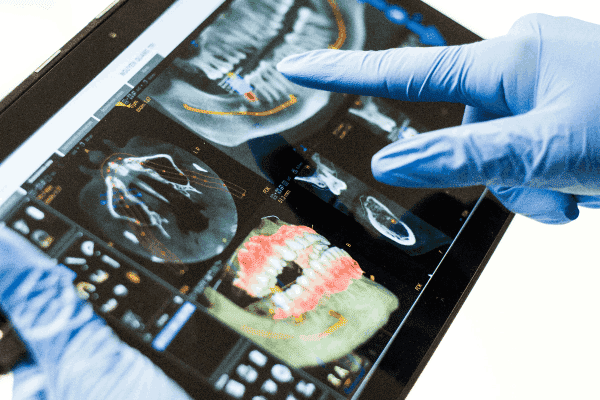
OPG / CEPH (ORTHOPANTOMOGRAM/ CEPHALOMETRIC X-RAY)
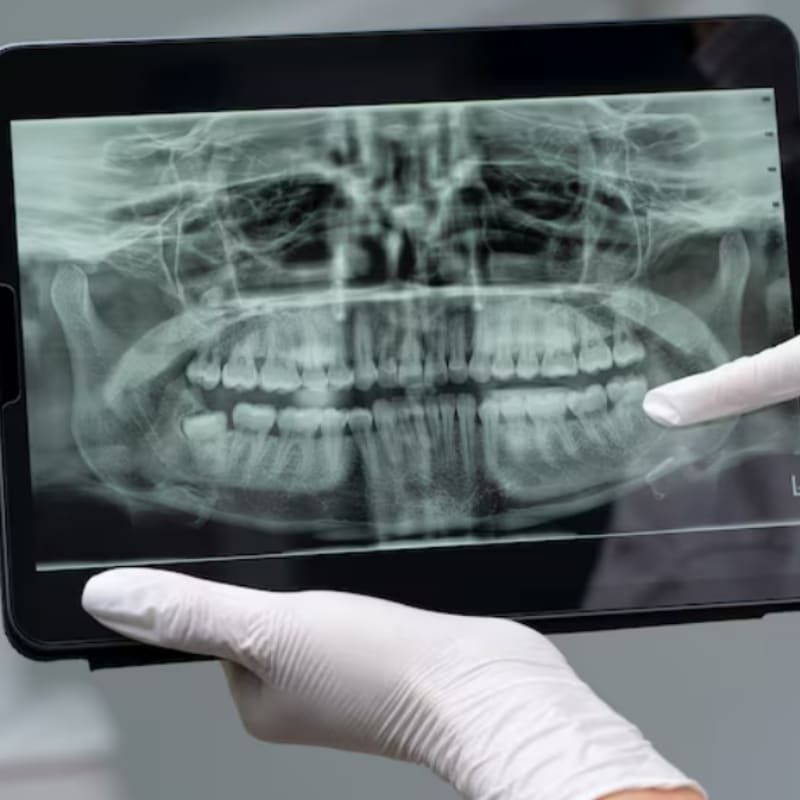
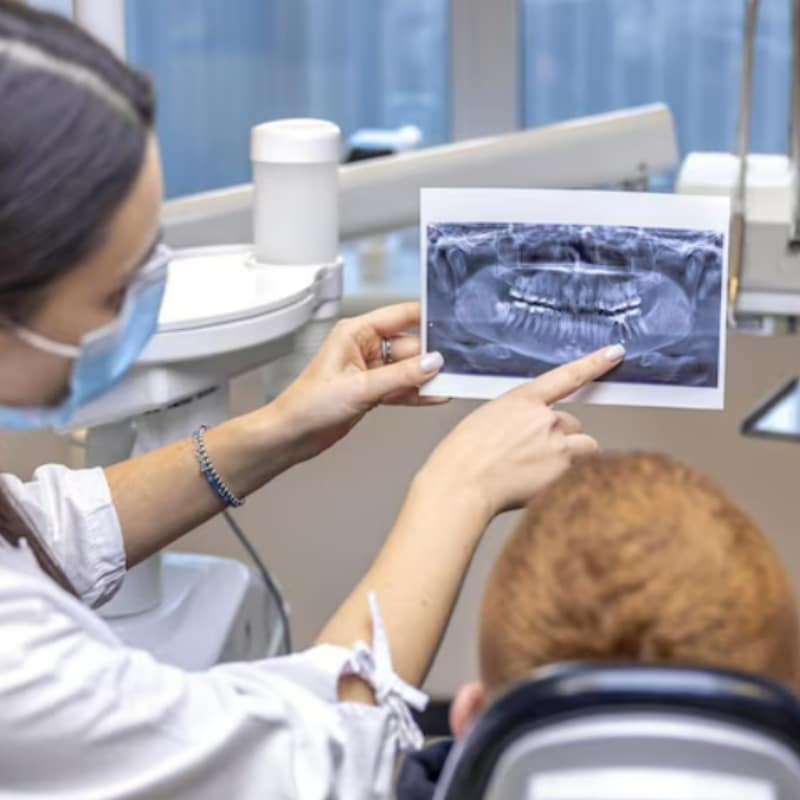
An OPG is a panoramic X-ray that captures the entire mouth in a single image, showing all the teeth in both the upper and lower jaws, as well as surrounding bones and tissues. It helps dentists evaluate tooth positioning, bone structure, wisdom teeth, fractures, infections, and overall dental health.
A Cephalometric X-ray, on the other hand, provides a side view of the head, showing the relationship between the teeth, jaw, and facial profile. It is commonly used in orthodontics to plan braces or corrective jaw treatments by analyzing skeletal alignment and bite patterns.
What is the Purpose of OPG / CEPH (ORTHOPANTOMOGRAM/ CEPHALOMETRIC X-RAY)
An OPG captures a panoramic image of the entire mouth, including all teeth in both jaws, the temporomandibular joints (TMJ), and surrounding bone structures. It helps dentists detect tooth decay, infections, fractures, bone loss, impacted teeth, and jaw abnormalities, making it useful for both general dental assessments and surgical planning.
Meanwhile, a CEPH X-ray focuses on the side view of the face and skull, showing the relationship between the teeth, jawbones, and facial profile. It is most often used in orthodontic treatment planning, allowing dentists to analyze bite alignment, jaw growth patterns, and facial symmetry.
Together, OPG and CEPH X-rays play a vital role in accurate diagnosis, effective treatment planning, and monitoring of dental, orthodontic, and surgical conditions.
Is Orthopantomogram / Cephalometric X-Ray Harmful?
No, OPG and CEPH X-rays are not harmful when performed correctly. These imaging techniques use very low levels of radiation, making them safe for both children and adults. The radiation dose from an OPG or CEPH is often minimal often less than what a person is naturally exposed to in a single day from the environment.
However, special care is taken for pregnant patients. X-rays are usually postponed unless necessary, to avoid any risk to the developing baby.
What to Expect during the Procedure?
During an OPG / CEPH (Orthopantomogram / Cephalometric X-Ray), you can expect a quick, painless, and non-invasive procedure that provides detailed images of your teeth, jaws, and facial structures.
Before the X-ray, the dental staff will ask you to remove any metal objects from your head and neck area, such as jewelry, glasses, or removable dental appliances, as these can interfere with the image. You will then be asked to wear a lead apron to protect your body from unnecessary radiation.
For an OPG, you will either stand or sit with your chin on a rest and bite gently on a bite-block to stabilize your jaw. The machine will rotate around your head in a semicircular motion, capturing a panoramic view of your upper and lower jaws. For a CEPH X-ray, your head will be positioned in a cephalostat, and the side of your face will face the X-ray sensor. Your head will be held steady using forehead and ear rests while a side-view image of your skull and jaw is taken.
During the imaging, it is important to remain completely still. The machine may produce a low humming sound as it rotates, and the procedure typically takes less than a minute. After the X-ray, the images are processed digitally or developed, and the dentist or orthodontist will review them to assess teeth alignment, jaw structure, bone health, or orthodontic needs.
Frequently Asked Question
What is an OPG and a CEPH X-ray?
An OPG (Orthopantomogram) is a panoramic dental X-ray that captures all the teeth in the upper and lower jaws, along with surrounding bone and tissues, in a single image. A CEPH (Cephalometric X-ray) provides a side-view of the skull, showing the relationship between the teeth, jaws, and facial profile. Both are used for diagnosis and treatment planning in dentistry and orthodontics.
Is the X-ray procedure painful or risky?
No, both OPG and CEPH X-rays are quick, painless, and non-invasive. They use very low levels of radiation, and protective measures like a lead apron and thyroid collar are used to minimize exposure. The procedure is considered safe for most patients, including children.
How long does it take to get an OPG or CEPH X-ray?
The imaging process is very fast, usually taking less than a minute. Positioning and preparation may add a few extra minutes, but overall, it is a quick procedure. The images are processed immediately or digitally captured for review by the dentist or orthodontist.
Why do I need an OPG or CEPH X-ray?
These X-rays are essential for accurate diagnosis and treatment planning. An OPG helps detect tooth decay, infections, impacted teeth, jaw fractures, and bone abnormalities, while a CEPH is used to analyze bite alignment, jaw growth, and facial symmetry, which is particularly important for orthodontic treatment planning.