Blk 471B Yishun Street 42, #01-02, Singapore 762471

A single tooth implant in Yishun is a treatment option for replacing one missing tooth with an artificial tooth supported by a small implant placed in the jawbone. The implant acts as an artificial tooth root, while a custom-made dental crown restores the visible part of the tooth. For suitable patients, this approach can provide a stable, natural-looking replacement without relying on neighbouring teeth for support.
Whether an implant is right for you depends on your gum health, jawbone condition, medical history, and expectations. Understanding the treatment process, alternatives, and healing period can help you make a more informed decision.
A single tooth implant can be an effective option for replacing a missing tooth, but understanding the procedure, benefits, and suitability requirements is important before making a decision. Learn more about the treatment process and available tooth replacement options in our guide to dental implants.
What Is a Single Tooth Dental Implant?
A single tooth dental implant replaces one missing tooth using an implant fixture, an abutment, and a dental crown. These components work together to restore appearance and function, including biting and chewing.
The treatment usually involves three parts:
- Implant fixture: A small post, commonly made of titanium, placed in the jawbone to act as an artificial tooth root.
- Abutment: A connector that attaches the crown to the implant.
- Dental crown: The visible replacement tooth, designed to fit the surrounding teeth in shape and colour.
Unlike a conventional dental bridge, a single implant does not usually require the neighbouring teeth to be reshaped to support the replacement. However, it requires sufficient bone and healthy surrounding tissues, and it involves oral surgery.
Who Is Suitable for a Single Tooth Implant in Yishun?
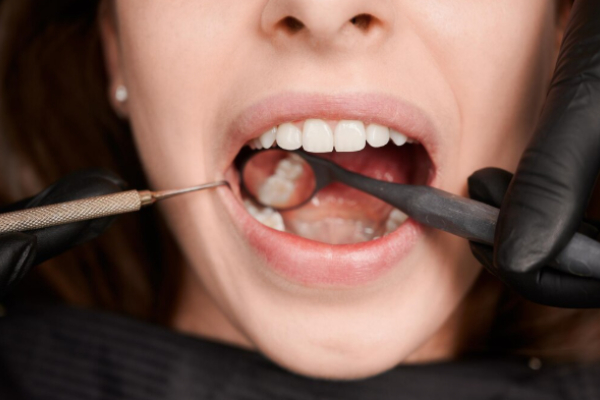
A single tooth implant may suit adults who have lost one tooth and want a fixed replacement. A dentist must assess the condition of the jawbone, gums, remaining teeth, and overall health before recommending treatment.
You may be a potential candidate if you:
- Have one missing tooth due to decay, trauma, gum disease, or a previous extraction.
- Have enough healthy jawbone to support the implant, or may be suitable for bone grafting.
- Have healthy gums or are willing to treat existing gum disease first.
- Can maintain consistent brushing, interdental cleaning, and dental check-ups.
- Have medical conditions that are appropriately managed for surgery.
Smoking, uncontrolled diabetes, active gum disease, and some medications can affect healing or increase the risk of complications. These factors do not automatically rule out treatment, but they should be discussed during your consultation.
A dental examination may include X-rays and, where clinically indicated, a cone-beam computed tomography (CBCT) scan to assess bone dimensions and the position of important anatomical structures. Imaging helps the dentist plan the implant’s position and identify potential risks.
How Does the Single Tooth Implant Procedure Work?
A single tooth implant is usually completed in stages, rather than in one appointment. The exact sequence depends on whether the tooth is already missing, whether an extraction is needed, and how quickly the implant site heals.
Typical treatment stages
1. Consultation and treatment planning
The dentist examines your mouth, discusses your dental history, and evaluates the proposed implant site. They will explain the expected timeline, possible risks, alternatives, and whether additional treatment is necessary.
2. Implant placement
The implant fixture is placed into the jawbone under local anaesthesia. Some patients may be offered sedation depending on their needs and the clinic’s available options. You may feel pressure during the procedure, but local anaesthesia is used to minimise pain.
3. Healing and integration
The bone gradually bonds with the implant surface through a process called osseointegration. This creates the foundation needed to support the replacement tooth. A temporary tooth may be considered where appropriate, but it must not place excessive pressure on the healing implant.
4. Abutment and crown placement
Once the implant is sufficiently stable, the dentist attaches the abutment and fits the final crown. The crown is adjusted for comfort, appearance, and bite function.
Not every patient follows the same schedule. Immediate placement or a temporary crown may be possible in selected cases, but these approaches are not suitable for everyone.
How Long Does a Single Tooth Implant Take to Heal?
Healing time varies according to bone quality, gum health, implant stability, and whether procedures such as extraction or bone grafting are required. Although implant placement may take a single appointment, completing the entire treatment can take several months.
During the early recovery period, mild swelling, tenderness, bruising, or minor bleeding may occur. These symptoms should generally improve over time; severe or worsening pain, persistent bleeding, increasing swelling, or fever warrants prompt advice from your dental team.
For a more detailed explanation of the stages and factors that affect recovery, read our guide to dental implant healing time.
Your dentist will advise when the implant is ready to support the final crown. Avoid chewing hard foods on the treatment area until you have been told it is safe to do so.
Single Tooth Implant vs Dental Bridge: Which Is Better?
A single dental implant and a dental bridge can both replace one missing tooth, but they work differently. An implant is supported by the jawbone, while a traditional bridge is supported by neighbouring teeth or existing restorations.
| Factor | Single tooth implant | Traditional dental bridge |
|---|---|---|
| Support | Implant placed in the jawbone | Usually supported by neighbouring teeth |
| Treatment | Requires oral surgery | Usually does not require implant surgery |
| Effect on adjacent teeth | Typically preserves neighbouring tooth structure | Supporting teeth often need reshaping |
| Treatment timeline | Usually takes several months | Often completed sooner, depending on the case |
| Bone considerations | Requires adequate bone or additional treatment | Does not replace the missing tooth root |
| Maintenance | Requires careful cleaning around the crown and implant | Requires cleaning beneath the bridge and around supporting teeth |
Which option is better? Neither is automatically best for everyone. An implant may be attractive when neighbouring teeth are healthy and suitable bone is available. A bridge may be preferable when implant surgery is unsuitable or when adjacent teeth already need crowns.
Your dentist can compare both options based on oral health, treatment time, cost, and long-term maintenance needs.
How Much Does a Single Tooth Implant Cost in Yishun?
The cost of a single tooth implant in Yishun depends on the complexity of treatment and what is included in the quoted fee. There is no single price that applies to every patient, so ask for an itemised treatment plan before deciding.
Factors that can affect the total cost include:
- Implant system: The implant brand, components, and clinical requirements.
- Dental crown: The material, design, and laboratory work required.
- Diagnostic imaging: X-rays or CBCT scans when indicated.
- Additional procedures: Tooth extraction, bone grafting, or gum treatment if necessary.
- Follow-up care: Review appointments and maintenance requirements.
When comparing quotes, check whether the fee includes the implant fixture, abutment, final crown, imaging, surgery, and follow-up visits. A lower initial price may not cover every stage of treatment.
Ivory Dental can assess your dental needs and explain the treatment options and costs relevant to your case.
What Are the Risks and How Can You Protect Your Implant?
Dental implants have high long-term survival rates, but they are not guaranteed to last forever. A systematic review published in the Journal of Dentistry in 2019 estimated a 10-year implant survival rate of 96.4% in its primary analysis; a sensitivity analysis that accounted for missing follow-up data estimated 93.2%. These figures reflect study populations, not a guarantee for an individual patient. Source: Howe et al., Journal of Dentistry, 2019.
Potential complications include:
- Infection or inflammation around the implant.
- Failure of the implant to integrate with the jawbone.
- Damage to nearby anatomical structures, depending on implant location.
- Loosening or wear of implant components or the crown.
- Peri-implantitis, a condition involving inflammation and progressive bone loss around an implant.
To help reduce risks, follow your dentist’s instructions and maintain good oral hygiene. Brush twice daily with a soft-bristled toothbrush, clean between your teeth and around the implant as advised, attend regular dental reviews, and avoid smoking where possible.
In our experience-based approach to treatment planning, long-term maintenance deserves as much attention as the initial procedure. A dental implant still needs professional monitoring, even when it feels comfortable and looks natural.
A Practical Example: Replacing One Missing Molar
Consider a patient who has lost a lower molar and wants a fixed replacement. The neighbouring teeth are healthy, but the patient finds chewing on that side difficult.
After examining the gums and assessing the available jawbone with appropriate imaging, the dentist may determine that a single implant is suitable. If bone volume is insufficient, additional treatment or an alternative restoration may be discussed before proceeding.
Once the implant has healed and the crown is fitted, the patient receives instructions on cleaning the area and attending maintenance visits. This example illustrates a possible treatment pathway, not a guaranteed outcome; individual recommendations depend on clinical findings.
Conclusion : Explore Single Tooth Implant Options at Ivory Dental
Replacing one missing tooth can help restore chewing function and the appearance of your smile. A single tooth implant in Yishun may be a suitable long-term option, but the best treatment depends on your jawbone, gum health, medical history, budget, and expectations.
The next step is a dental assessment to determine whether an implant, bridge, or another restoration is appropriate. Visit Ivory Dental to learn more about its dental services and arrange a consultation to discuss your tooth replacement options.
If you are considering a single tooth implant in Yishun, a dental assessment can help determine whether you have sufficient jawbone, healthy gums, and suitable conditions for treatment. Contact Ivory Dental to arrange a consultation and discuss the most appropriate options for replacing your missing tooth.
FAQs (Frequently Asked Questions)
Is a single tooth implant painful?
Local anaesthesia is used during implant placement to minimise pain. Some tenderness, swelling, or bruising may occur afterwards, but the level of discomfort varies. Follow the dentist’s pain-management and aftercare instructions, and contact the clinic if symptoms become severe or worsen.
How long does a single tooth implant last?
A dental implant can remain functional for many years with good oral hygiene and regular professional care. However, the implant fixture, surrounding bone, and crown have different maintenance needs, and the crown may require repair or replacement over time.
Can I get a single tooth implant immediately after extraction?
Sometimes. Immediate implant placement may be possible when the tooth socket, surrounding bone, gum condition, and other clinical factors are suitable. In other cases, the dentist may recommend allowing the site to heal or performing additional treatment first.
What if I do not have enough jawbone for an implant?
A bone graft may help build up the area in selected cases, although it adds treatment time and is not suitable for every patient. Your dentist can explain whether grafting, a bridge, or another replacement option is appropriate.
How do I care for a single tooth implant?
Brush twice daily, clean between the teeth and around the implant using the recommended tools, and attend regular dental check-ups. Avoid smoking and seek advice if you notice bleeding, swelling, discomfort, or movement around the implant or crown.