 BLK 471B YISHUN STREET 42 #01-02 SINGAPORE 762471
RESTORATIVE & SURGICAL DENTAL TREATMENTS
WISDOM TOOTH
At Ivory Dental, we provide professional wisdom tooth extraction in Yishun Singapore to relieve pain and prevent complications caused by impacted or infected wisdom teeth. Our experienced dental team uses modern techniques to ensure a safe and comfortable procedure.
Types of Wisdom Teeth and When Removal is Needed
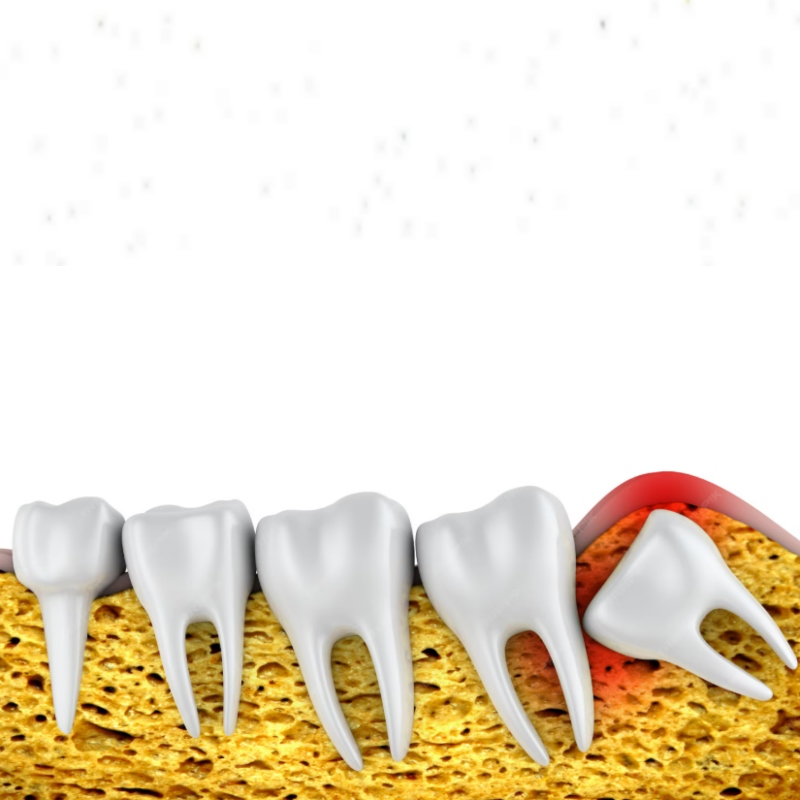
Healthy, non-impacted wisdom teeth that erupt in proper alignment typically do not need removal. However, impacted wisdom teeth—those unable to emerge fully due to limited space or obstruction by nearby teeth or bone—often cause issues.
Common types of impaction include:
- Mesial Impaction – tilted toward the front of the mouth
- Distal Impaction – tilted toward the back
- Horizontal Impaction – lying sideways against adjacent teeth
- Vertical Impaction – upright but trapped below the gum line
Because cleaning impacted teeth is difficult, food can get trapped and lead to decay, swelling, and pain. In such cases, extraction becomes necessary.
How Wisdom Teeth Are Removed
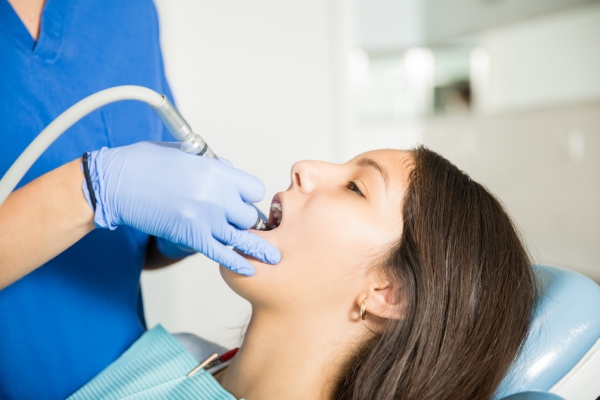
Depending on the tooth’s position, your dentist may perform a simple extraction or a minor surgery under local anaesthesia. You will feel pressure but not pain as the tooth is loosened and removed. If surgery is required, the gum may be opened and stitched afterward. A blood clot will form in the socket, and you will receive post-care instructions and medication to support healing.
Frequently Asked Question
Do I Need to Remove My Wisdom Teeth?
If your wisdom teeth are healthy, fully erupted, and not causing any pain or swelling, removal may not be necessary. However, it’s still important to have regular dental check-ups so your dentist can monitor their condition and recommend preventive care if needed.
Is Wisdom Tooth Removal Painful?
The procedure is typically performed under local anaesthesia, so you should feel little to no pain during extraction or surgery. Some mild bleeding, swelling, or discomfort is normal afterward once the anaesthesia wears off.