RESTORATIVE & SURGICAL DENTAL TREATMENTS
Wisdom Tooth Removal, Extraction & Surgery
At Ivory Dental, we provide complete care for wisdom tooth problems. From simple extractions to surgical removal of impacted or infected wisdom teeth at our Yishun and Tampines clinics. Whether your wisdom tooth is causing pain, swelling, or was flagged during a routine check-up, our dental team will assess your case and recommend the safest, most comfortable option for you
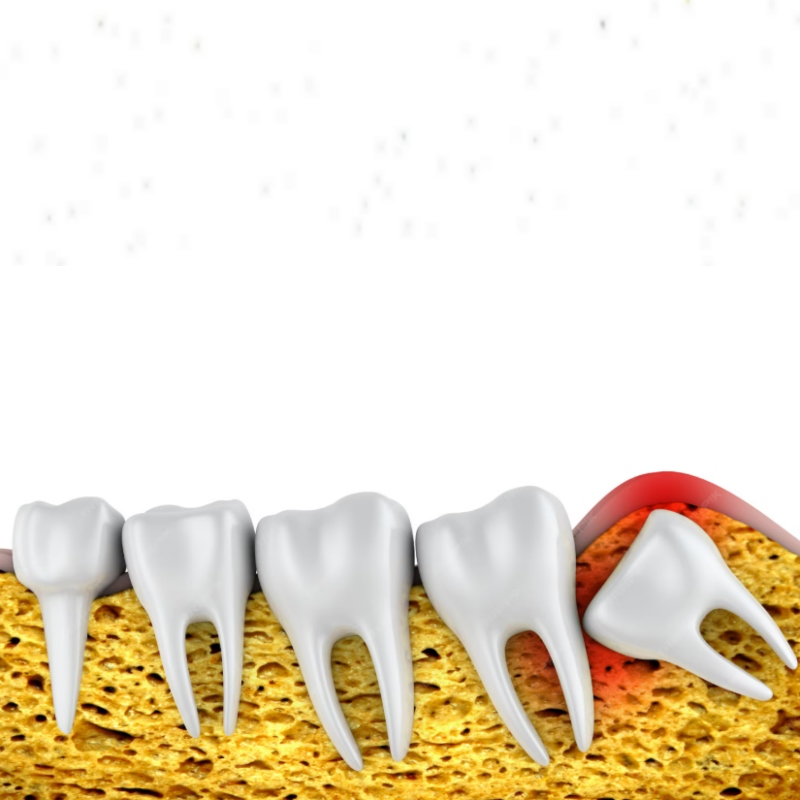
Impacted Wisdom Teeth Removal — Types of Impaction
Wisdom teeth are the third and final set of molars, usually appearing between the ages of 17 and 25. Because they emerge last, there is often not enough space in the jaw for them to grow properly. This is what leads to impaction, infection, and the need for removal.
Healthy, non-impacted wisdom teeth that erupt in proper alignment typically do not need removal. However, impacted wisdom teeth removal is often needed when a tooth is unable to emerge fully due to limited space or obstruction by nearby teeth or bone.
Common types of impaction include:
- Mesial impaction – tilted toward the front of the mouth
- Distal impaction – tilted toward the back
- Horizontal impaction – lying sideways against adjacent teeth
- Vertical impaction – upright but trapped below the gum line
Because cleaning impacted teeth is difficult, food can get trapped and lead to decay, swelling, and infection. This is when removal becomes necessary.
Signs of an Infected or Problem Wisdom Tooth
Watch out for these infected wisdom tooth symptoms — they usually mean removal shouldn’t be delayed:
- Persistent pain or throbbing at the back of the jaw
- Swelling, redness, or a bad taste around the gum (signs of infection)
- Pus or discharge near the tooth
- Difficulty opening your mouth fully
- Bad breath that doesn’t go away with brushing
- Fever, in more advanced infections
- Crowding or shifting of nearby teeth
If you notice any of these signs, book a check-up so your dentist can assess whether extraction or surgery is needed before the infection spreads.
Wisdom Tooth Extraction vs Wisdom Tooth Surgery — What's the Difference?
Not every wisdom tooth needs the same treatment. The right approach depends on how the tooth has grown:
- Simple extraction is used when the wisdom tooth has fully erupted above the gum line and can be removed with standard dental tools, similar to any other tooth extraction.
- Wisdom tooth surgery (surgical extraction) is needed when the tooth is impacted, partially or fully trapped under the gum or bone. This involves a minor surgical procedure where the gum is opened, the tooth is sectioned if necessary, and the site is stitched afterward.
Your dentist will determine which approach applies to you after an examination and X-ray.
How Wisdom Teeth Are Removed
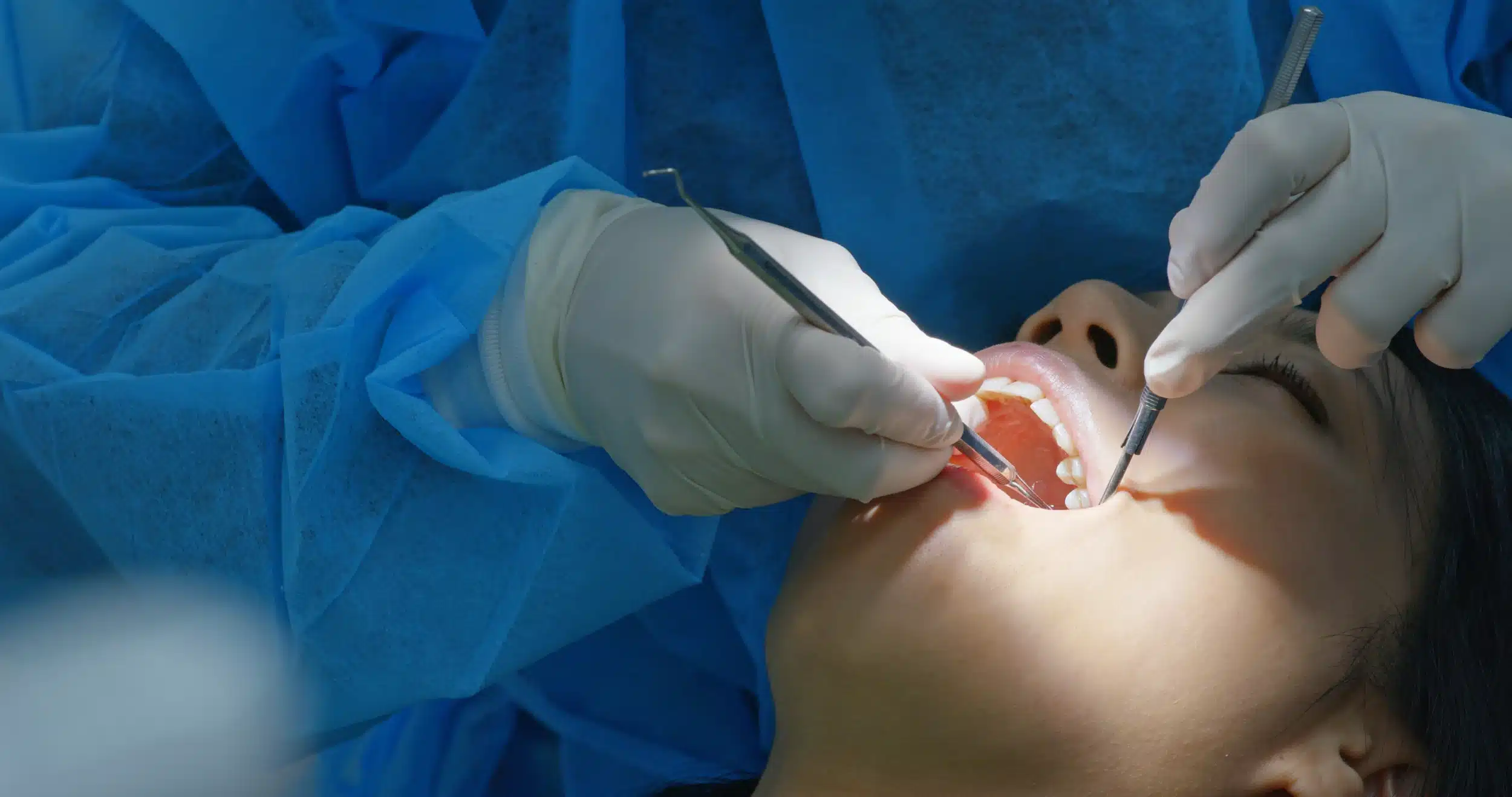
Depending on the tooth’s position, your dentist may perform a simple extraction or a minor surgery under local anaesthesia. You will feel pressure but not pain as the tooth is loosened and removed. If surgery is required, the gum may be opened and stitched afterward. A blood clot will form in the socket, and you will receive post-care instructions and medication to support healing.
Wisdom tooth treatment may be claimable under MediSave and other applicable subsidies. Visit our Treatment Cost page for a detailed breakdown, or check your eligibility on our MediSave for Dental page.
Recovery After Wisdom Tooth Removal
Recovery time depends on whether you had a simple extraction or surgical removal:
- Day 1–2: Mild bleeding, swelling, and discomfort are normal. Apply a cold compress and take prescribed medication.
- Day 3–5: Swelling gradually subsides. Stick to soft foods and avoid rinsing vigorously.
- Day 7–10: Stitches (if any) are typically removed or dissolve on their own; most patients return to normal eating.
- 2–4 weeks: Full healing of the gum tissue at the extraction site.
Following your dentist’s aftercare instructions closely helps prevent complications such as dry socket or infection.
What Happens If You Delay Wisdom Tooth Removal?
Leaving an infected or impacted wisdom tooth untreated can lead to:
- Worsening infection that spreads to nearby teeth or gum tissue
- Cyst formation around the impacted tooth
- Damage to the roots of adjacent molars
- Increased difficulty and cost of treatment later on
Frequently Asked Question
Do I need to remove my wisdom teeth?
If your wisdom teeth are healthy, fully erupted, and not causing any pain or swelling, removal may not be necessary. However, it’s still important to have regular dental check-ups so your dentist can monitor their condition and recommend preventive care if needed.
Is wisdom tooth removal painful?
The procedure is typically performed under local anaesthesia, so you should feel little to no pain during extraction or surgery. Some mild bleeding, swelling, or discomfort is normal afterward once the anaesthesia wears off.
What's the difference between wisdom tooth extraction and wisdom tooth surgery?
Extraction refers to removing a tooth that has fully erupted, using standard tools. Surgery is needed when the tooth is impacted and requires opening the gum, and sometimes sectioning the tooth, before it can be removed.
How do I know if my wisdom tooth is infected?
Common signs include swelling, redness, pus, bad breath, and pain around the back of the jaw. If you notice these symptoms, see your dentist promptly to prevent the infection from spreading.
Do I need to take time off work after wisdom tooth removal?
Many patients take 1–3 days off, especially after surgical extraction, to allow for initial swelling and discomfort to subside.
How long does recovery take after wisdom tooth removal?
Most patients recover within 1–2 weeks, though full gum healing can take up to a month. Recovery time depends on the complexity of the impaction.
Is wisdom tooth removal covered by MediSave?
Wisdom tooth extraction and surgery may be claimable under MediSave, depending on the procedure. Visit our MediSave for Dental page for details.
Ivory Dental Articles

What Is the Best Sensitive Teeth Treatment in Singapore for Lasting Relief?
Sensitive teeth treatment in Singapore refers to professional dental care and preventive strategies used to reduce or manage sharp, sudden

Where Can I Get Wisdom Tooth Removal in Yishun? A Complete Patient Guide
If you’re searching for wisdom tooth removal in Yishun, you’re probably experiencing discomfort, swelling, or have been advised by your

Where Can You Get Effective Toothache Treatment in Yishun?
A toothache is pain or discomfort affecting a tooth, gum, or surrounding area, often caused by problems such as tooth