Blk 471B Yishun Street 42, #01-02, Singapore 762471
Foods and Drinks to Avoid After Teeth Whitening: What Should You Not Eat or Drink?
After investing in a brighter smile, one of the most important questions patients ask is: what foods and drinks should I avoid after teeth whitening?
Professional teeth whitening can significantly improve the appearance of stained or discoloured teeth, but the first 24 to 48 hours after treatment are especially important for maintaining your results. During this period, teeth become temporarily more porous and vulnerable to absorbing pigments from dark-coloured foods and beverages.
This means that certain foods and drinks can:
- Re-stain newly whitened teeth
- Reduce whitening longevity
- Increase sensitivity
- Affect the overall cosmetic outcome
Understanding which foods and beverages to avoid after whitening can help patients protect their brighter smile for longer.
In this guide, we explain:
- Why dietary restrictions matter after whitening
- Foods and drinks to avoid after teeth whitening
- Safe alternatives
- Whitening maintenance tips
- Common mistakes patients make
- How to prolong whitening results safely
Whether you recently completed in-clinic whitening or dentist-supervised take-home treatment, following proper aftercare can make a major difference in your final results.
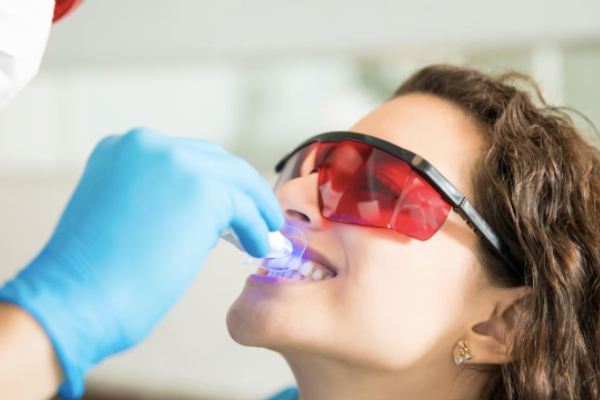
Why Are Teeth More Sensitive After Whitening?
Teeth whitening works by using whitening agents such as:
- Hydrogen peroxide
- Carbamide peroxide
These ingredients penetrate the enamel to break apart stain molecules inside the tooth structure.
What Happens After Whitening?
After treatment:
- Tooth enamel becomes temporarily more porous
- Teeth absorb colours more easily
- Sensitivity may temporarily increase
- Stains can attach more quickly
This temporary condition is often called the:
“White Diet Period”
Most dentists recommend avoiding strongly coloured foods and beverages for:
- 24 to 48 hours
- Sometimes longer for sensitive patients
Pro Tips : A simple rule many dentists use is “If it can stain a white shirt, it can stain freshly whitened teeth”.
Foods to Avoid After Teeth Whitening
Some foods contain strong pigments, acids, or staining compounds that may affect whitening results.
Dark-Coloured Foods
Curry
Curry contains intense yellow pigments that easily stain enamel.
Tomato Sauce
Tomato-based sauces combine:
- Strong colouring
- High acidity
which may increase stain absorption.
Soy Sauce
Dark sauces can quickly discolor porous enamel surfaces.
Dark Berries
Examples include:
- Blueberries
- Blackberries
- Cherries
These fruits contain strong natural pigments.
Acidic foods
Highly acidic foods may temporarily worsen tooth sensitivity after whitening.
Citrus Fruits
- Lemons
- Oranges
- Grapefruits
Vinegar-Based Foods
- Pickles
- Salad dressings
Carbonated Drinks
Soft drinks may weaken enamel and increase staining risk.
Strongly pigmented snacks :
Chocolate
Dark chocolate may contribute to staining.
Coloured Candies
Artificial colouring agents may affect whitening results.
Drinks to Avoid After Teeth Whitening
Beverages are among the biggest causes of post-whitening stains.
Coffee
Coffee is one of the leading causes of tooth discoloration worldwide.
Why Coffee Stains Teeth
Coffee contains:
- Tannins
- Dark pigments
- Acids
These substances attach easily to porous enamel after whitening.
Tea
Both black tea and green tea may stain teeth.
Black Tea
Contains heavy tannins that darken enamel.
Green Tea
May cause dull grey staining over time.
Red Wine
Red wine combines:
- Dark pigments
- Acidity
- Tannins
which makes it particularly harmful after whitening.
Cola and Dark Soft Drinks
These drinks contain:
- Artificial colouring
- Sugar
- Acids
that contribute to enamel erosion and staining.
Alcoholic Beverages
Some alcoholic drinks may dry the mouth, reducing saliva protection against stains.
Foods and Drinks Safe to Consume After Whitening
Fortunately, patients still have many safe options during the whitening recovery period.
Recommended Foods After Teeth Whitening
| Safe Foods | Why They Are Safer |
|---|---|
| White rice | Low pigmentation |
| Chicken breast | Minimal staining |
| Plain yogurt | Gentle on enamel |
| Cauliflower | Low colour intensity |
| Bananas | Mild pigmentation |
| Oatmeal | Soft and neutral |
Safe Drinks After Whitening
| Safe Drinks | Benefits |
|---|---|
| Water | Rinses away stains |
| Milk | Low pigmentation |
| Coconut water | Hydrating |
| Clear herbal tea | Lower staining risk |
How Long Should You Avoid Staining Foods?
The most critical period is:
- First 24 hours
- Ideally 48 hours
However, long-term habits also influence whitening longevity.
Whitening Protection Timeline
First 24 Hours
Avoid all strongly coloured foods and beverages.
First 48 Hours
Maintain “white diet” precautions carefully.
After One Week
Teeth gradually become less porous, but staining can still occur over time.
Common Mistakes Patients Make After Whitening
Many patients unintentionally reduce their whitening results shortly after treatment.
Mistake 1: Drinking Coffee Immediately
Even one cup may affect freshly whitened enamel.
Mistake 2: Smoking
Smoking introduces:
- Nicotine
- Tar
- Heat
which rapidly stain teeth again.
Mistake 3: Poor Oral Hygiene
Plaque buildup traps stain particles more easily.
Mistake 4: Excessive Acidic Foods
Acids may worsen temporary sensitivity.
Mistake 5: Skipping Dental Cleaning
Professional cleaning helps maintain whitening results longer.
Maintaining your whitening results also depends on consistent professional dental cleaning, as plaque and surface stains can gradually reduce the brightness of your teeth over time. Understanding how long whitening results typically last — and what factors may cause teeth to stain again — can help patients build better long-term oral care habits and maintain a brighter smile for longer periods.
Learn more about whitening longevity, maintenance tips, and realistic expectations through our detailed guide on how long does teeth whitening last.
How to Maintain Teeth Whitening Results Longer
Proper aftercare habits can help extend whitening longevity significantly.
Daily Whitening Maintenance Tips
Brush Twice Daily
Use gentle fluoride toothpaste.
Floss Regularly
Remove plaque between teeth.
Drink Water Frequently
Water helps rinse pigments away.
Use a Straw
Especially when consuming coffee or iced drinks.
Schedule Professional Cleaning
Routine scaling and polishing reduce surface stains.
Pro Tips : Think of whitening maintenance like protecting freshly painted walls — the cleaner and more careful the environment, the longer the brightness lasts.
Can Whitening Toothpaste Help?
Whitening toothpaste may help:
- Reduce surface stains
- Maintain results
- Improve brightness gradually
However, whitening toothpaste:
- does not replace professional whitening,
- and excessive use may increase sensitivity in some patients.
Does Smoking Affect Teeth Whitening?
Yes. Smoking is one of the biggest reasons whitening fades quickly.
Effects of Smoking on Whitening Results
- Faster yellowing
- Brown staining
- Reduced whitening longevity
- Increased plaque buildup
Patients who smoke heavily often require more frequent whitening maintenance.
How Dentists Help Protect Whitening Results
Professional dental care plays an important role in whitening maintenance.
Dentists may recommend:
- Touch-up whitening
- Customized trays
- Professional cleaning
- Dietary advice
- Sensitivity management
Patients considering cosmetic smile enhancement often want to better understand the different types of professional whitening treatments available, how the procedure works, and what results they can realistically expect after treatment. Learning more about professional teeth whitening can help patients make safer and more informed decisions for long-term smile improvement.
Explore our complete guide on professional teeth whitening treatments to learn more about whitening procedures, benefits, aftercare, and personalized cosmetic dental solutions.
Conclusion: Want Longer-Lasting Teeth Whitening Results?
Understanding the foods and drinks to avoid after teeth whitening is essential for protecting your brighter smile and maintaining long-lasting cosmetic results.
While professional whitening can dramatically improve smile aesthetics, post-treatment care plays a major role in determining how long the results will last. Choosing an experienced dental team that focuses on patient comfort, cosmetic precision, and long-term oral health can also make a significant difference in both treatment safety and whitening outcomes.
Learn more about our dental philosophy, patient-focused care approach, and professional expertise on our about us page.
At Ivory Dental Singapore, we provide professional cosmetic dental care designed to help patients achieve:
- safer whitening outcomes
- healthier smiles
- long-lasting brightness
- and personalized dental care support.
Beyond teeth whitening, our clinic also offers comprehensive family, preventive, and cosmetic dentistry services tailored to each patient’s oral health and smile goals.
Explore our full range of professional dental treatments and smile care solutions at Ivory Dental Singapore.
FAQs (Frequently Asked Questions)
Can I drink coffee after whitening?
It is best to avoid coffee for at least 48 hours after treatment.
Is water safe after whitening?
Yes. Water is highly recommended because it helps rinse away pigments.
Can I eat spicy foods?
Mild spices are usually acceptable, but heavily coloured sauces should be avoided initially.
Does green tea stain teeth?
Yes. Green tea may still contribute to discoloration over time.
Can I use a straw for coffee?
Using a straw may reduce direct contact between beverages and teeth.