Blk 471B Yishun Street 42, #01-02, Singapore 762471
One of the most common concerns patients have before surgery is understanding the wisdom tooth recovery timeline and how long healing actually takes after wisdom tooth removal.
While wisdom tooth extraction is a common dental procedure, many patients still feel anxious about:
- Pain after surgery
- Swelling
- Eating difficulties
- Time away from work or school
- Possible complications
- Recovery duration
The good news is that most people recover successfully with proper aftercare and professional dental guidance. Although every patient heals differently, understanding the typical healing stages can help reduce stress and prepare patients for a smoother recovery process.
This guide explains:
- The complete wisdom tooth recovery timeline
- What happens after surgery
- Recovery stages day by day
- How long swelling and pain last
- Foods to eat during healing
- Signs of complications
- Tips for faster recovery
- When to contact a dentist
Whether you are preparing for wisdom tooth surgery or currently recovering from extraction, understanding the healing process can help you manage expectations and support better oral health outcomes.
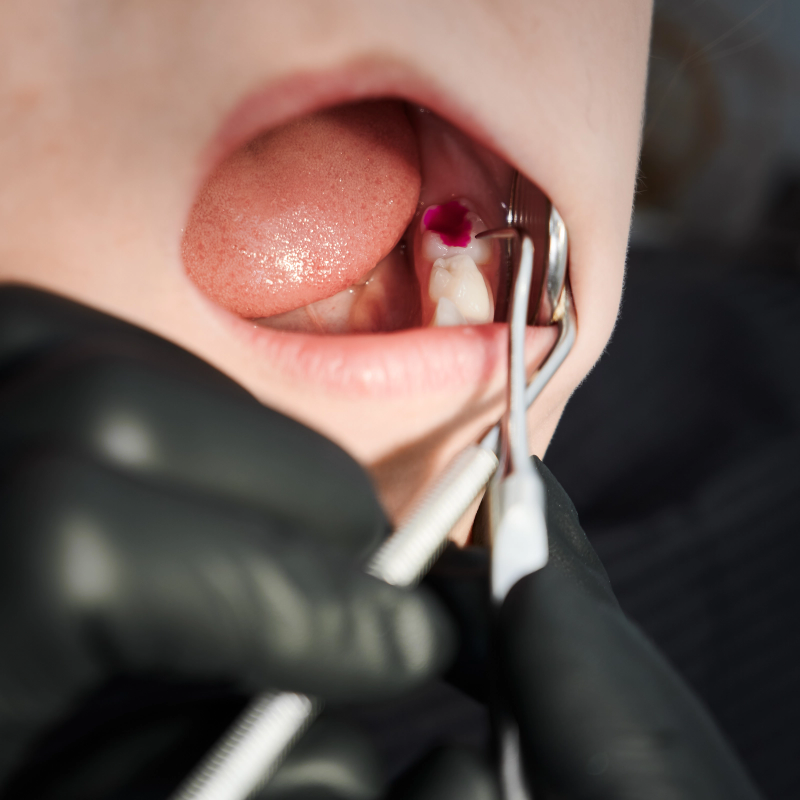
What Happens After Wisdom Tooth Removal?
Wisdom tooth removal is a surgical procedure performed to extract problematic third molars.
After surgery:
- The body immediately begins healing
- Blood clots form in the extraction area
- Gum tissue starts repairing itself
- Swelling and inflammation naturally occur temporarily
Healing is a gradual biological process that may continue for several weeks even after symptoms improve.
Wisdom Tooth Recovery Timeline Overview
General Healing Timeline
| Recovery Stage | Typical Duration |
|---|---|
| Initial bleeding | First 24 hours |
| Swelling and discomfort | 2–3 days |
| Early gum healing | 1–2 weeks |
| Jaw stiffness improvement | Several days |
| Complete tissue healing | Several weeks to months |
Pro Tips : Most patients feel significantly better within the first week, although deeper tissue healing continues beneath the gums.
First 24 Hours After Wisdom Tooth Surgery
The first day is one of the most important parts of the wisdom tooth recovery timeline.
During this period, the body forms protective blood clots over the extraction site. What patients may experience :
Mild Bleeding
Small amounts of bleeding or pink saliva are common.
Swelling
Swelling usually begins gradually within several hours.
Numbness
Local anesthesia may take several hours to wear off.
Jaw Soreness
Mild discomfort is expected after surgery.
Important First-Day Recovery Tips
Do:
- Rest properly
- Bite gently on gauze
- Drink water carefully
- Apply cold compresses
- Take prescribed medication
Avoid:
- Smoking
- Alcohol
- Straws
- Spitting forcefully
- Vigorous rinsing
Pro Tips : Avoiding suction is extremely important because it helps protect the blood clot and reduces dry socket risk.
Days 2–3: Peak Swelling and Discomfort
For many patients, swelling becomes most noticeable during:
- Day 2
- Day 3
This stage is completely normal and usually temporary.
Common Symptoms During Days 2–3
| Symptom | Typical Experience |
|---|---|
| Swelling | Mild to moderate facial swelling |
| Jaw stiffness | Difficulty opening mouth fully |
| Bruising | Minor facial discoloration |
| Tenderness | Mild pain during chewing |
Patients often worry that swelling means infection, but moderate swelling is usually part of normal healing.
Days 4–7: Gradual Improvement
By the middle of the first week, many patients notice:
- Reduced swelling
- Less pain
- Improved jaw movement
- Better comfort eating
Signs of Normal Healing
- Reduced Bleeding : Bleeding usually stops completely.
- Improved Energy : Patients often return to light activities.
- Gum Tissue Repair : The extraction site begins closing gradually.
Pro Tips : Even if pain improves quickly, patients should continue following aftercare instructions carefully.
Week 2 Recovery Timeline
During the second week:
- Gum tissue continues healing
- Jaw stiffness improves
- Swelling decreases significantly
Some patients may still experience:
- Mild tenderness
- Food trapping near extraction sites
- Minor sensitivity
What Foods Can You Eat During Recovery?
Choosing the right foods supports healing and reduces irritation.
Best foods after wisdom tooth surgery :
Soft Foods
- Soup
- Yogurt
- Mashed potatoes
- Oatmeal
- Scrambled eggs
Cold Foods
- Smoothies (without straw)
- Ice cream
- Soft fruits
Foods to Avoid During Recovery
Avoid:
- Crunchy snacks
- Nuts
- Chips
- Spicy foods
- Hard meat
- Sticky foods
These foods may:
- Irritate the wound
- Dislodge the blood clot
- Delay healing
How Long Does Wisdom Tooth Pain Last?
While mild soreness and temporary discomfort are common during the healing phase, some patients may experience recurring wisdom tooth pain caused by inflammation, impaction, infection, or pressure from surrounding teeth. Understanding safe ways to manage wisdom tooth discomfort can help improve recovery comfort while reducing unnecessary stress during the healing process.
Learn more about common causes of wisdom tooth discomfort and practical wisdom tooth pain relief methods to help support recovery and oral health management.
Pain varies depending on:
- Surgical difficulty
- Tooth impaction
- Individual healing response
- Infection risk
Typical Pain Timeline
| Pain Level | Expected Duration |
|---|---|
| Mild discomfort | Several days |
| Moderate soreness | First week |
| Tenderness | 1–2 weeks |
| Severe prolonged pain | Requires evaluation |
Persistent worsening pain may indicate complications.
What Is Dry Socket?
Dry socket is one of the most discussed wisdom tooth surgery complications.
It occurs when:
- The protective blood clot becomes dislodged prematurely
This exposes underlying bone and nerves.
Common Dry Socket Symptoms
Severe Pain
Pain may worsen several days after surgery.
Bad Taste or Odour
An unpleasant smell may develop.
Visible Empty Socket
The extraction area may appear hollow.
How to Reduce Dry Socket Risk
Important Prevention Tips
- Avoid smoking
- Do not use straws
- Avoid forceful rinsing
- Follow dentist instructions carefully
Pro Tips : Smoking is one of the biggest risk factors for delayed healing and dry socket development.
When Can You Return to Work or School?
Recovery varies between patients.
General Return Timeline
| Activity | Typical Return Time |
|---|---|
| Light work | 1–3 days |
| School attendance | Several days |
| Exercise | About 1 week |
| Heavy physical activity | Longer recovery |
Patients with complex surgical extractions may require additional rest.
How Long Does Swelling Last?
Swelling is a natural part of the healing process.
Typical Swelling Timeline
Day 1
Swelling begins.
Days 2–3
Peak swelling occurs.
Days 4–7
Swelling gradually improves.
After Week 1
Most swelling resolves significantly.
Signs of Complications After Wisdom Tooth Surgery
Regular post-surgical monitoring and preventive oral examinations can help dentists identify healing concerns early before they develop into more serious complications. Routine dental evaluations also support better oral hygiene maintenance and long-term recovery after wisdom tooth surgery.
Patients who want to maintain healthier teeth and gums after oral surgery can also learn more about the importance of routine dental check-up services for preventive oral care and long-term dental health monitoring.
Although most patients heal normally, certain symptoms may require professional evaluation.
Warning signs :
Severe Swelling
Especially if worsening after several days.
Fever
May indicate infection.
Persistent Bleeding
Continuous heavy bleeding is abnormal.
Difficulty Swallowing
This requires prompt attention.
Severe Pain
Especially pain worsening after initial improvement.
How Dentists Support Faster Recovery
Professional aftercare guidance helps reduce complications and improve healing outcomes
Dentists May Recommend:
- Pain management medication
- Antibacterial mouth rinses
- Cold compresses
- Dietary adjustments
- Follow-up appointments
Patients preparing for extraction often want to better understand the wisdom tooth removal process, recovery expectations, and possible treatment costs before making a decision. Learning more about the procedure can help reduce anxiety and allow patients to prepare more confidently for treatment and post-surgical care.
Explore our detailed guide on wisdom tooth removal in Singapore to learn more about treatment procedures, recovery timelines, and professional dental care options.
Common Mistakes That Delay Recovery
Mistake 1: Smoking Too Early
Smoking slows healing and increases infection risk.
Mistake 2: Eating Hard Foods
Hard foods may irritate surgical sites.
Mistake 3: Poor Oral Hygiene
Bacterial buildup may delay healing.
Mistake 4: Ignoring Post-Operative Instructions
Following aftercare guidance is essential.
Oral Hygiene During Recovery
Good oral hygiene remains important during healing.
Safe oral care tips :
Brush Gently
Avoid direct pressure near extraction areas.
Use Saltwater Rinse
If recommended by your dentist.
Stay Hydrated
Dry mouth may slow healing.
Simple Wisdom Tooth Recovery Checklist
First 24 Hours
- Rest
- Apply cold compress
- Avoid straws
- Eat soft foods
First Week
- Maintain gentle oral hygiene
- Avoid smoking
- Follow medication instructions
- Stay hydrated
Pro Tips : Recovery is usually smoother when patients prioritize rest and avoid rushing back into strenuous activities too early.
Why Professional Wisdom Tooth Care Matters
Patients experiencing recurring wisdom tooth discomfort, swelling, jaw stiffness, or difficulty chewing may benefit from understanding the underlying causes of impacted wisdom teeth and the available treatment options before symptoms worsen further. Early professional evaluation can help reduce the risk of infection, gum inflammation, tooth crowding, and long-term oral health complications.
Learn more about common wisdom tooth symptoms, treatment procedures, and professional care options in our detailed guide on wisdom tooth treatment and evaluation.
Wisdom tooth surgery recovery depends not only on healing ability but also on:
- Surgical planning
- Professional technique
- Post-operative guidance
- Oral hygiene support
Patients experiencing recurring wisdom tooth discomfort, swelling, or jaw pain may benefit from learning more about the causes, symptoms, and treatment options available for impacted or problematic wisdom teeth. Understanding the condition early can help prevent infection, crowding, and long-term oral health complications.
Learn more about professional wisdom tooth evaluation and treatment options through our detailed wisdom tooth guide.
Conclusion: Understanding Your Wisdom Tooth Recovery Timeline
Recovering from wisdom tooth surgery can feel overwhelming initially, but most patients experience steady improvement within the first several days when proper aftercare is followed carefully.
Understanding the wisdom tooth recovery timeline helps patients:
- manage expectations
- reduce anxiety
- identify normal healing signs
- and recognize when professional help may be needed
At Ivory Dental Singapore, we provide patient-focused wisdom tooth care designed to support:
- safe surgical treatment
- comfortable recovery
- personalized aftercare
- and long-term oral health
Whether you need:
- wisdom tooth consultation
- surgical evaluation
- extraction treatment
- or post-operative recovery guidance
our dental team is committed to helping patients recover safely and comfortably with professional dental care tailored to individual needs.
Explore our full range of wisdom tooth and oral surgery services at Ivory Dental Singapore.
FAQs (Frequently Asked Questions)
How long does wisdom tooth recovery take?
Most patients recover significantly within 1–2 weeks, though deeper healing may continue longer.
When can I eat normally again?
Soft foods are usually recommended during the first several days.
Is swelling normal after surgery?
Yes. Mild to moderate swelling is common.
When should I worry about pain?
Pain that worsens after initial improvement should be evaluated.
Can I exercise after wisdom tooth surgery?
Heavy exercise is usually avoided during early recovery.