Blk 471B Yishun Street 42, #01-02, Singapore 762471
Many people do not realize they have an impacted wisdom tooth until pain, swelling, or infection begins to interfere with daily life. Understanding impacted wisdom tooth symptoms early can help patients seek treatment before complications become more serious.
Wisdom teeth are the last molars to develop, usually appearing between:
- Ages 17–25
- At the back corners of the mouth
In some cases, wisdom teeth erupt normally without causing problems. However, many patients experience insufficient space in the jaw, causing the tooth to become:
- Partially trapped
- Fully trapped
- Misaligned
- Pressed against neighbouring teeth
This condition is known as an impacted wisdom tooth.
When left untreated, impacted wisdom teeth may contribute to:
- Chronic pain
- Gum infection
- Swelling
- Tooth damage
- Difficulty chewing
- Jaw stiffness
- Bad breath
This guide explains:
- What impacted wisdom teeth are
- Common symptoms
- Why impaction occurs
- Types of impacted wisdom teeth
- Possible complications
- Treatment options
- Recovery expectations
- When to seek professional dental care
Understanding the warning signs early can help reduce the risk of more severe oral health complications later.
What Is an Impacted Wisdom Tooth?
An impacted wisdom tooth is a tooth that cannot fully erupt into its normal position because:
- There is insufficient jaw space
- The tooth grows at an abnormal angle
- Nearby teeth block eruption
Impacted wisdom teeth may remain:
- Fully hidden under the gums
- Partially visible
- Angled sideways
Some patients experience symptoms immediately, while others develop gradual discomfort over time.
Why Do Wisdom Teeth Become Impacted?
Modern jaw sizes are often smaller compared to earlier generations, leaving less room for third molars to erupt properly.
Common Causes of Wisdom Tooth Impaction
| Cause | Explanation |
|---|---|
| Lack of space | Jaw too small for eruption |
| Abnormal tooth angle | Tooth grows sideways |
| Crowding | Nearby teeth block eruption |
| Delayed eruption | Tooth trapped under gum or bone |
Pro Tips : Even if symptoms temporarily disappear, impacted wisdom teeth may still continue causing hidden oral health problems beneath the gums.
Most Common Impacted Wisdom Tooth Symptoms
Symptoms vary depending on:
- Tooth position
- Infection severity
- Gum inflammation
- Pressure against surrounding teeth
Pain and inflammation caused by impacted wisdom teeth can gradually interfere with eating, speaking, sleeping, and daily comfort if left untreated. While professional dental evaluation is important for identifying the underlying cause, many patients also look for safe and practical ways to temporarily manage discomfort before treatment.
Patients experiencing recurring jaw pain, swollen gums, or pressure near the back molars can also explore our detailed guide on wisdom tooth pain relief methods to learn more about common causes of wisdom tooth discomfort and supportive pain management approaches.
1. Pain at the Back of the Mouth
Pain is one of the most common impacted wisdom tooth symptoms.
Common Pain Characteristics\
- Dull aching pain
- Pressure sensation
- Sharp pain during chewing
- Intermittent discomfort
Pain may affect:
- The jaw
- Ear area
- Head
- Nearby molars
2. Swollen or Inflamed Gums
Partially erupted wisdom teeth often trap bacteria and food debris.
This may cause:
- Gum redness
- Tenderness
- Swelling
- Irritation
The gum flap surrounding the wisdom tooth may become infected easily.
3. Jaw Stiffness or Difficulty Opening the Mouth
Inflammation around impacted wisdom teeth may affect surrounding jaw muscles.
Common Symptoms
- Tight jaw sensation
- Difficulty chewing
- Pain while opening the mouth
Pro Tips : Jaw stiffness may worsen gradually during active infection or inflammation.
4. Bad Breath or Unpleasant Taste
Bacteria trapped around impacted wisdom teeth may contribute to:
- Persistent bad breath
- Bad taste in the mouth
- Pus formation during infection
Poor cleaning access often increases bacterial buildup.
5. Swelling Around the Jaw or Face
More advanced infections may cause:
- Facial swelling
- Jaw swelling
- Tender lymph nodes
Visible swelling may indicate spreading inflammation.
6. Headaches or Ear Pain
Pressure from impacted wisdom teeth sometimes radiates discomfort into:
- The jaw joint
- Ear area
- Side of the head
This may lead to:
- Headaches
- Earache-like discomfort
- Facial pressure
7. Difficulty Chewing or Biting
Pain and swelling may make eating uncomfortable.
Patients may notice:
- Pain during chewing
- Sensitivity while biting
- Discomfort near back molars
Types of Impacted Wisdom Teeth
Not all impacted wisdom teeth develop in the same position.
Common Types of Impaction
| Type | Description |
|---|---|
| Horizontal impaction | Tooth grows sideways |
| Mesial impaction | Tooth angles forward |
| Vertical impaction | Tooth remains trapped upright |
| Distal impaction | Tooth tilts backward |
The position of impaction often affects:
- Symptom severity
- Surgical complexity
- Risk of complications
Can Impacted Wisdom Teeth Cause Infection?
Yes. Infection is one of the most common complications.
Signs of Wisdom Tooth Infection
Severe Gum Swelling
The area may appear red and inflamed.
Pus or Discharge
Infection may produce unpleasant fluid.
Fever
More serious infections may affect general health.
Persistent Pain
Pain often worsens gradually.
Possible Complications of Untreated Impacted Wisdom Teeth
Ignoring symptoms may lead to more significant oral health problems.
Potential Complications
| Complication | Possible Effect |
|---|---|
| Gum infection | Pain and swelling |
| Tooth decay | Damage to nearby molars |
| Cysts | Bone damage risk |
| Crowding | Pressure on surrounding teeth |
| Chronic inflammation | Ongoing discomfort |
Pro Tips : Early professional evaluation often reduces the risk of complicated surgery later
How Dentists Diagnose Impacted Wisdom Teeth
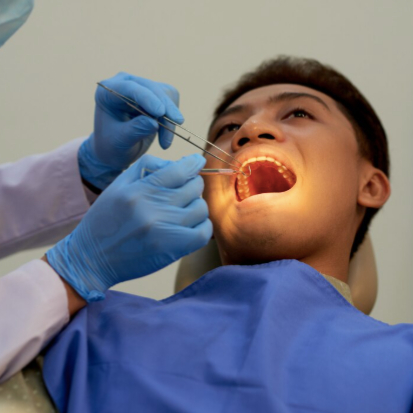
Professional dental assessment is essential for proper diagnosis.
Common Diagnostic Methods
Oral Examination
Dentists assess:
- Gum condition
- Swelling
- Pain
- Tooth eruption
Dental X-Rays
X-rays help identify
- Tooth angle
- Bone involvement
- Nerve position
- Impaction severity
Symptom Review
Dentists evaluate:
- Pain frequency
- Swelling
- Difficulty chewing
When Should You See a Dentist?
Patients should seek professional evaluation if symptoms include:
- Persistent wisdom tooth pain
- Swollen gums
- Jaw stiffness
- Facial swelling
- Difficulty opening the mouth
- Fever
- Bad taste or pus
Early treatment may prevent worsening infection or damage.
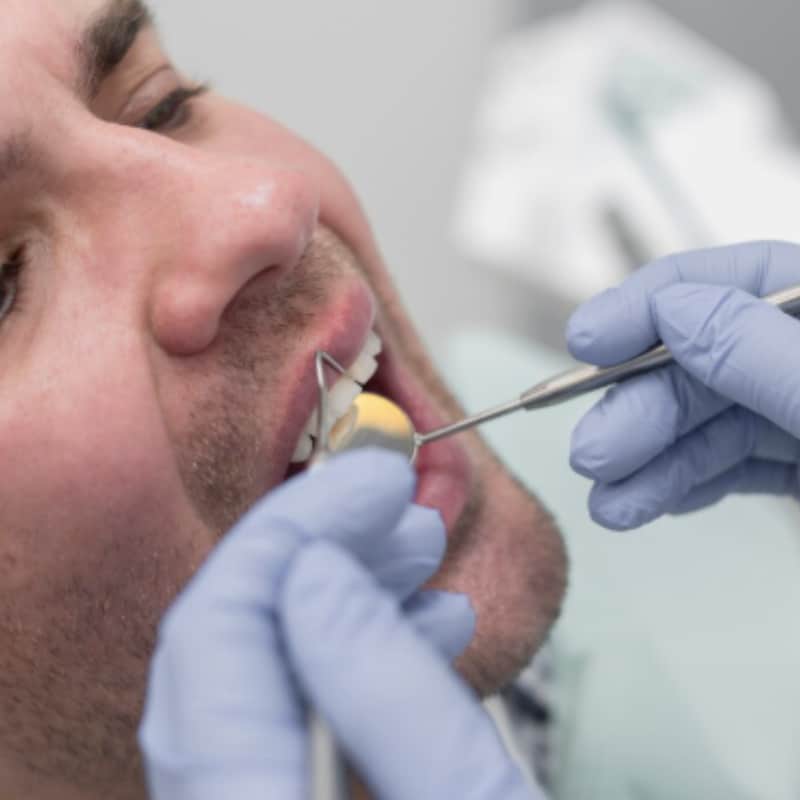
Regular oral examinations play an important role in identifying impacted wisdom teeth early before they cause severe pain, infection, swelling, or damage to surrounding teeth. Preventive dental monitoring also allows dentists to assess tooth eruption patterns and recommend treatment before complications worsen.
Patients who want to maintain healthier teeth and gums through preventive oral care can also learn more about the importance of routine dental check-up services for long-term dental health monitoring and early problem detection.
Treatment Options for Impacted Wisdom Teeth
Treatment depends on:
- Symptom severity
- Tooth position
- Infection risk
- Overall oral health
Common Treatment Options
Monitoring
Asymptomatic wisdom teeth may be monitored regularly.
Medication
Temporary infection control may involve:
- Antibiotics
- Pain management
Wisdom Tooth Removal
Surgical extraction is commonly recommended for problematic impacted teeth.
What Happens During Wisdom Tooth Removal?
Modern wisdom tooth surgery is designed to improve:
- Comfort
- Safety
- Recovery outcomes
Typical Procedure Steps
Step 1: Examination and X-Ray
Dentists evaluate the tooth carefully.
Step 2: Local Anesthesia
The area is numbed for comfort.
Step 3: Surgical Removal
The tooth is carefully removed.
Step 4: Cleaning and Stitches
The area is cleaned to support healing.
Patients preparing for extraction often want to better understand the wisdom tooth removal process, recovery expectations, and possible treatment costs before making a decision. Learning more about the procedure can help reduce anxiety and allow patients to prepare more confidently for treatment and post-surgical care.
Explore our detailed guide on wisdom tooth removal in Singapore to learn more about treatment procedures, recovery timelines, and professional dental care options.
Recovery After Wisdom Tooth Surgery
Recovery varies between patients but generally includes:
- Mild swelling
- Temporary soreness
- Gradual gum healing
Recovery Tips
Eat Soft Foods
Choose gentle foods during early healing.
Avoid Smoking
Smoking may delay healing.
Follow Oral Hygiene Instructions
Proper cleaning reduces infection risk.
Stay Hydrated
Water supports recovery.
Simple Warning Signs Checklist
Possible Impacted Wisdom Tooth Symptoms
- Pain at the back of the mouth
- Swollen gums
- Jaw stiffness
- Bad breath
- Difficulty chewing
- Facial swelling
- Ear pain
- Headaches
Pro Tips : Symptoms that repeatedly return should never be ignored, even if they seem mild initially.
Why Early Wisdom Tooth Evaluation Matters
Early dental assessment helps reduce the risk of:
- Infection
- Tooth damage
- Complicated surgery
- Chronic pain
- Gum disease
Patients experiencing recurring wisdom tooth discomfort, swelling, jaw stiffness, or difficulty chewing may benefit from learning more about impacted wisdom teeth and the available treatment options before symptoms become more severe. Early professional evaluation can help reduce the risk of infection, gum inflammation, tooth crowding, and long-term oral health complications.
Learn more about wisdom tooth symptoms, treatment procedures, and professional care options through our detailed guide on wisdom tooth evaluation and treatment.
Conclusion: Recognizing Impacted Wisdom Tooth Symptoms Early
Understanding impacted wisdom tooth symptoms is important for protecting both oral comfort and long-term dental health.
Although symptoms may begin gradually, untreated impacted wisdom teeth can contribute to:
- infection
- swelling
- chronic discomfort
- tooth damage
- and more complicated dental problems later
At Ivory Dental Singapore, we provide patient-focused wisdom tooth assessment and oral surgery care designed to support:
- early diagnosis
- comfortable treatment
- personalized recovery guidance
- and long-term oral health
Whether you are experiencing:
- jaw pain
- swollen gums
- recurring wisdom tooth discomfort
- or concerns about impacted wisdom teeth
our dental team is committed to providing professional and supportive care tailored to your needs.
Explore our full range of wisdom tooth and preventive dental services at Ivory Dental Singapore.
FAQs (Frequently Asked Questions)
Can impacted wisdom teeth stop hurting temporarily?
Yes. Symptoms may come and go even if the underlying issue remains.
Is jaw pain always caused by wisdom teeth?
Not always, but impacted wisdom teeth are a common cause of back jaw discomfort.
Can impacted wisdom teeth cause headaches?
Yes. Pressure and inflammation may contribute to headaches.
Do all impacted wisdom teeth require removal?
Not always. Some may simply require monitoring.
Is wisdom tooth surgery painful?
Modern anesthesia techniques usually minimize discomfort during surgery.