Blk 471B Yishun Street 42, #01-02, Singapore 762471
One of the most important parts of healing after oral surgery is choosing the right foods after wisdom tooth removal. Many patients focus mainly on pain relief and swelling, but diet also plays a major role in protecting the surgical area, reducing irritation, and supporting faster recovery.
After wisdom tooth extraction or surgery, the gums and surrounding tissues need time to heal properly. Eating the wrong foods too early may:
- Irritate the extraction site
- Delay healing
- Increase swelling
- Trigger bleeding
- Raise dry socket risk
Fortunately, with proper food choices and aftercare, most patients recover gradually and comfortably within the first few weeks.
This guide explains:
- The best foods after wisdom tooth removal
- Foods to avoid
- Recovery meal ideas
- Healing stages
- Hydration tips
- Common mistakes during recovery
- When normal eating can resume
Understanding how diet affects recovery helps patients protect healing tissues while feeling more comfortable during the recovery process.

Why Diet Matters After Wisdom Tooth Removal
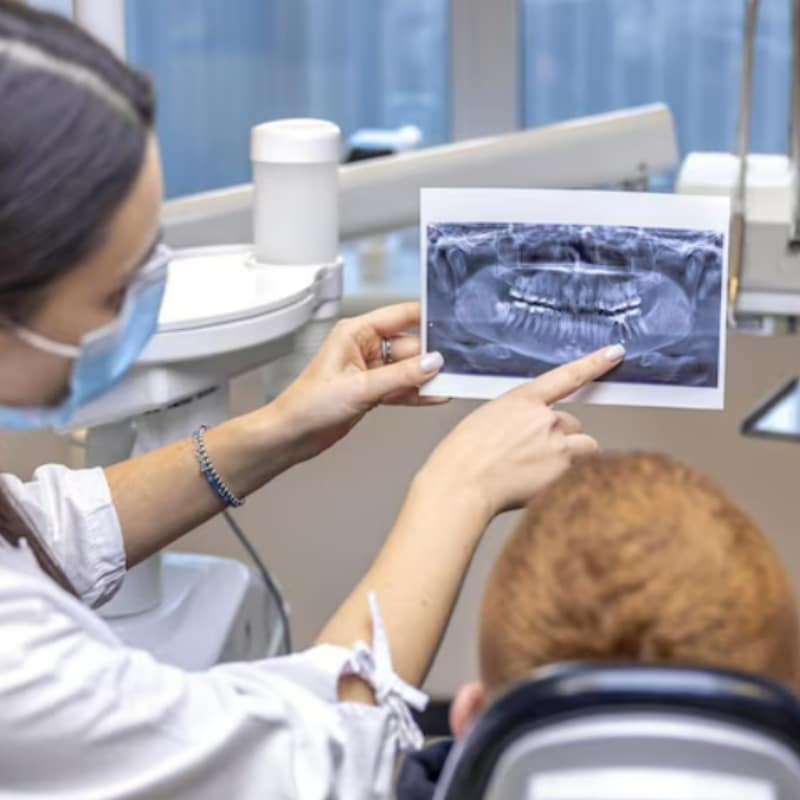
Before wisdom tooth extraction or surgery is performed, dentists typically use dental X-rays to evaluate the exact position of impacted teeth, surrounding bone structure, root development, and nearby nerves. Accurate imaging helps dentists create safer treatment plans while also reducing the risk of surgical complications and supporting smoother recovery outcomes.
Patients who want to better understand how imaging supports wisdom tooth diagnosis and treatment planning can also explore our detailed guide on dental X-ray procedures and benefits for more information about professional dental imaging and oral health evaluation.
After extraction, the body begins forming a protective blood clot inside the tooth socket.
This clot is important because it:
- Protects nerves and bone
- Supports tissue healing
- Reduces infection risk
Certain foods and eating habits may accidentally disturb this healing process.
What Happens During Early Healing?
During the first several days after surgery, patients commonly experience:
- Swelling
- Tender gums
- Mild soreness
- Jaw stiffness
- Difficulty chewing
Soft and gentle foods help reduce pressure on healing tissues.
Pro Tips : The first 24–72 hours are especially important because the protective blood clot is still stabilizing during this period.
Best Foods After Wisdom Tooth Removal
Soft foods are usually the safest and most comfortable choice during early recovery.
Recommended Soft Foods
| Food | Why It Helps |
|---|---|
| Yogurt | Smooth and easy to swallow |
| Mashed potatoes | Gentle on healing gums |
| Oatmeal | Soft and filling |
| Soup | Easy to consume |
| Scrambled eggs | High in protein |
| Applesauce | Minimal chewing needed |
| Smoothies | Nutrient-rich and gentle |
| Avocado | Soft healthy fats |
| Soft rice | Mild texture |
| Pasta | Easy chewing when soft |
Why Soft Foods Help Recovery
Soft foods help:
- Minimize pressure on extraction sites
- Reduce irritation
- Lower bleeding risk
- Support comfort while chewing
Patients often feel more comfortable eating softer textures during early healing.
Best Foods During the First 24 Hours
The first day after surgery requires extra caution.
Ideal Foods for Day One
- Yogurt
- Applesauce
- Smooth soups
- Ice cream (in moderation)
- Pudding
- Smooth mashed potatoes
Avoid foods that require strong chewing.
Pro Tips : Cool or lukewarm foods are often more comfortable than very hot foods during early recovery.
Foods to Eat During Days 2–7
As swelling gradually improves, patients may slowly add more texture.
Common Recovery Foods
- Soft pasta
- Oatmeal
- Soft noodles
- Steamed vegetables
- Soft fish
- Rice porridge
- Bananas
Healing speed varies between patients.
Protein-Rich Foods That Support Healing
Protein plays an important role in tissue repair.
Good Protein Options
- Eggs
- Greek yogurt
- Soft tofu
- Soft fish
- Protein smoothies
Balanced nutrition supports recovery and immune function.
Hydration After Wisdom Tooth Removal
Hydration is important during recovery.
Benefits of Staying Hydrated
- Supports healing
- Reduces dry mouth
- Helps recovery comfort
- Supports circulation
Drink water regularly throughout recovery.
Can You Drink Through a Straw?
Dentists usually recommend avoiding straws during early healing.
Why Straws May Be Risky
The suction movement may:
- Dislodge the blood clot
- Increase dry socket risk
- Delay healing
Pro Tips : Sip drinks carefully from a cup instead of using straws during early recovery.
Foods to Avoid After Wisdom Tooth Removal
Some foods may irritate healing tissues or increase complications.
Avoid These Foods Initially
| Food Type | Why Avoid It |
|---|---|
| Chips | Sharp edges irritate gums |
| Nuts | Small particles enter sockets |
| Popcorn | Kernels may become trapped |
| Spicy foods | May irritate tissues |
| Crunchy snacks | Pressure on healing gums |
| Hard bread | Difficult chewing |
| Alcohol | Delays healing |
| Smoking | Increases dry socket risk |
Why Crunchy Foods Are Problematic
Crunchy foods may:
- Scratch healing tissues
- Disturb stitches
- Trigger bleeding
- Cause discomfort
Patients should reintroduce crunchy foods gradually.
Can You Eat Rice After Wisdom Tooth Removal?
Soft rice is usually easier to tolerate after the first few recovery days.
However:
- Sticky grains may occasionally lodge near extraction sites
Careful rinsing and gentle cleaning are important afterward.
Can You Eat Ice Cream After Wisdom Tooth Removal?
Many patients enjoy cold foods after surgery because they may temporarily soothe swelling.
Benefits of Cold Foods
- Cooling sensation
- Temporary comfort
- Easier swallowing
However, excessive sugary foods should still be limited.
Simple Recovery Meal Plan
Day 1
- Yogurt
- Soup
- Applesauce
- Smooth mashed potatoes
Days 2–3
- Oatmeal
- Scrambled eggs
- Soft pasta
- Bananas
Days 4–7
- Soft rice
- Steamed vegetables
- Soft fish
- Noodles
Pro Tips : Patients should slowly return to normal foods only when chewing feels comfortable.
What Is Dry Socket?
Dry socket is a complication that occurs when the protective blood clot becomes dislodged too early.
Common Dry Socket Symptoms
- Severe pain
- Empty-looking socket
- Bad breath
- Pain worsening after several days
Certain eating habits may increase dry socket risk.
Common Mistakes Patients Make After Wisdom Tooth Removal
Mistake 1: Eating Hard Foods Too Early
Premature chewing pressure may delay healing.
Mistake 2: Using Straws
Suction may dislodge blood clots.
Mistake 3: Poor Hydration
Dehydration may affect recovery comfort.
Mistake 4: Ignoring Aftercare Instructions
Proper aftercare helps reduce complications.
Pro Tips : Gentle eating habits during the first week often make recovery smoother and more comfortable.
When Can You Eat Normally Again?
Patients who undergo more complex or impacted wisdom tooth procedures may experience a slightly longer healing period before returning to normal eating habits comfortably. Surgical extractions often involve gum incisions, bone access, or tooth sectioning, which can temporarily increase swelling, jaw stiffness, and chewing sensitivity during recovery.
Patients who want to better understand advanced oral surgery procedures, healing expectations, and post-operative recovery can also explore our detailed guide on surgical wisdom tooth removal for more information about treatment steps, recovery timelines, and aftercare support.
Recovery timelines vary depending on:
- Surgical complexity
- Swelling severity
- Individual healing response
Many patients gradually resume normal eating within:
- Several days for simpler extractions
- One to two weeks for surgical cases
Patients should avoid rushing recovery.
Recovery Symptoms While Eating
Temporary symptoms may include:
- Jaw tightness
- Mild tenderness
- Chewing discomfort
- Sensitivity near extraction sites
These symptoms usually improve gradually.
Simple Foods After Wisdom Tooth Removal Checklist
Best Foods
- Yogurt
- Soup
- Eggs
- Oatmeal
- Soft pasta
- Bananas
- Applesauce
Foods to Avoid
- Chips
- Nuts
- Popcorn
- Hard bread
- Crunchy snacks
- Spicy foods
Pro Tips : Soft foods, hydration, and careful aftercare are some of the most important factors supporting smoother healing after wisdom tooth removal.
Why Professional Wisdom Tooth Care Matters
Wisdom tooth recovery depends on:
- Accurate diagnosis
- Proper surgical technique
- Personalized aftercare guidance
- Good oral hygiene habits
Recovery after wisdom tooth removal does not end immediately after surgery. Follow-up dental visits are important for monitoring healing progress, identifying possible complications early, and ensuring the extraction site recovers properly without infection or delayed healing. Regular professional examinations also help maintain long-term oral health after wisdom tooth treatment.
Patients who want to maintain healthier teeth and gums after oral surgery can also learn more about the importance of routine preventive care through our dental check-up services for professional oral health monitoring and long-term dental care support.
Conclusion: Choosing the Right Foods After Wisdom Tooth Removal
Choosing the right foods after wisdom tooth removal can make a significant difference in:
- comfort
- healing speed
- swelling reduction
- and overall recovery experience
Soft foods, proper hydration, careful chewing habits, and following professional aftercare instructions all help protect healing tissues during recovery.
At Ivory Dental Singapore, we provide patient-focused wisdom tooth care designed to support:
- safe treatment
- comfortable recovery
- personalized aftercare guidance
- and long-term oral health
Whether you need:
- preventive wisdom tooth monitoring
- simple extraction
- surgical wisdom tooth removal
- or post-operative recovery support
our dental team is committed to providing professional and supportive dental care tailored to your individual needs.
Explore our full range of wisdom tooth and oral surgery services at Ivory Dental Singapore.
FAQs (Frequently Ask Questions)
Can I eat noodles after wisdom tooth removal?
Yes, soft noodles are often easier to chew during recovery.
Can I eat spicy food after surgery?
Spicy foods are generally avoided initially because they may irritate healing tissues.
Is ice cream safe after wisdom tooth extraction?
Cold soft foods may provide temporary comfort during recovery.
When can I eat crunchy foods again?
Patients should gradually reintroduce crunchy foods after healing improves.
Why should I avoid straws?
Straw suction may disturb the healing blood clot.