Blk 471B Yishun Street 42, #01-02, Singapore 762471
Many people become anxious when they hear the words “root canal treatment.” However, modern root canal treatment in Yishun is designed to help patients save severely damaged or infected teeth while improving comfort, function, and long-term oral health.
Root canal therapy is a common dental procedure used to remove infection inside the tooth. Without treatment, the infection may worsen and eventually lead to:
- Severe tooth pain
- Gum swelling
- Abscess formation
- Tooth loss
- Jaw discomfort
- Difficulty chewing
Fortunately, early diagnosis and professional treatment often help preserve the natural tooth while preventing more serious complications.
This guide explains:
- What root canal treatment is
- Common symptoms of tooth infection
- Causes of nerve damage
- Step-by-step treatment process
- Recovery expectations
- Cost considerations
- Benefits of saving the natural tooth
- How to prevent future dental infections
Understanding how root canal treatment works helps patients feel more confident and prepared before treatment begins.

What Is Root Canal Treatment?
Root canal treatment is a dental procedure used to remove infected or damaged tissue from inside the tooth.
Inside every tooth is a soft inner structure called the dental pulp, which contains:
- Nerves
- Blood vessels
- Connective tissue
When bacteria enter the pulp because of decay, cracks, trauma, or deep cavities, infection may develop.
Root canal treatment helps:
- Remove infection
- Relieve pain
- Prevent further damage
- Preserve the natural tooth
Understanding how root canal therapy works can help patients feel less anxious before treatment. Modern dental techniques focus on improving comfort while removing infection, preserving the natural tooth, and restoring long-term oral function. Early treatment also helps reduce the risk of severe complications caused by untreated tooth infections.
Patients who want to learn more about procedure details, treatment benefits, and recovery expectations can also explore our complete guide on root canal treatment for additional information about professional restorative dental care.
Why Root Canal Treatment May Be Necessary
Tooth infections often develop gradually.
At first, patients may only notice:
- Mild sensitivity
- Occasional discomfort
- Pain while chewing
As the infection worsens, symptoms may become more severe.
Common Signs You May Need Root Canal Treatment
| Symptom | Possible Cause |
|---|---|
| Persistent tooth pain | Nerve inflammation |
| Sensitivity to hot or cold | Pulp damage |
| Gum swelling | Infection spread |
| Tooth discoloration | Internal damage |
| Pain while chewing | Deep infection |
Pro Tips : Persistent tooth pain should never be ignored because dental infections can spread deeper into surrounding tissues over time.
Common Causes of Tooth Nerve Infection
Several dental problems may lead to pulp infection.
Common Causes Include:
- Deep tooth decay
- Cracked teeth
- Repeated dental procedures
- Trauma or injury
- Severe cavities
- Untreated dental infection
Bacteria entering the inner tooth structure may eventually damage the nerve tissue.
Why Early Treatment Matters
Many patients delay treatment because they hope the pain will disappear naturally.
However, untreated infection may eventually cause:
- Severe pain
- Facial swelling
- Dental abscess
- Bone damage
- Tooth loss
Early diagnosis often helps preserve more healthy tooth structure. Building healthy dental habits early in life can help children feel more comfortable during future dental visits and reduce anxiety toward preventive or restorative treatments later on. Encouraging regular dental care from a young age also supports better long-term oral health awareness and early detection of dental problems.
Parents who want helpful guidance for preparing children for dental appointments can also explore our practical guide on how to prepare child for dentist for tips on creating a more positive dental experience for kids.
Pro Tips : Treating dental infections earlier may reduce treatment complexity and improve long-term tooth preservation.
How Root Canal Treatment Works
Modern root canal procedures are carefully planned to improve patient comfort and treatment precision.
Step-by-Step Root Canal Procedure
Step 1: Examination and X-Rays
Dentists evaluate:
- Infection severity
- Root structure
- Surrounding bone condition
Dental X-rays help improve diagnosis and treatment planning accuracy.
Step 2: Local Anesthesia
The area is numbed to improve patient comfort during treatment.
Step 3: Infection Removal
The infected pulp tissue is carefully removed from inside the tooth canals.
Step 4: Cleaning and Disinfection
The canals are cleaned and disinfected thoroughly.
Step 5: Canal Filling
The canals are sealed to reduce reinfection risk.
Step 6: Tooth Restoration
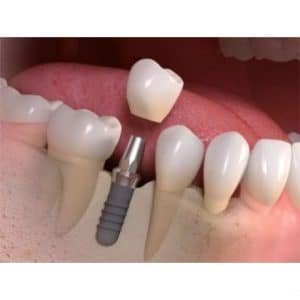
A filling or crown may be placed to strengthen and protect the tooth.
Pro Tips : A properly restored tooth after root canal treatment often functions similarly to a natural healthy tooth.
Is Root Canal Treatment Painful?
Many patients assume root canal therapy is painful.
However, modern dental techniques and anesthesia are designed to improve patient comfort significantly.
Most patients describe:
- Relief from infection pain
- Mild temporary soreness after treatment
- Improved chewing comfort afterward
The procedure itself is usually more comfortable than untreated tooth infection.
How Long Does Root Canal Treatment Take?
Treatment duration depends on:
- Infection severity
- Number of root canals
- Tooth location
- Complexity of the case
Some cases may require:
- One visit
- Multiple appointments
Complex infections may require additional treatment planning.
Benefits of Root Canal Treatment
Saving the natural tooth offers several long-term advantages.
Key Benefits
| Benefit | Why It Matters |
|---|---|
| Preserves natural tooth | Maintains chewing function |
| Prevents extraction | Helps preserve alignment |
| Reduces infection | Protects surrounding tissues |
| Restores comfort | Improves daily function |
Keeping the natural tooth is often preferable whenever possible.
Recovery After Root Canal Treatment
Most patients recover gradually within several days.
Common Temporary Symptoms
- Mild soreness
- Sensitivity while chewing
- Minor gum tenderness
These symptoms often improve as healing progresses.
Recovery Tips After Root Canal Therapy
Avoid Hard Foods Initially
Hard foods may place pressure on the treated tooth.
Maintain Good Oral Hygiene
Brush and floss carefully to reduce bacterial buildup.
Attend Follow-Up Visits
Regular monitoring helps ensure proper healing.
Pro Tips : Following post-treatment instructions carefully often improves recovery comfort and long-term treatment success.
Can Root Canal Treatment Prevent Tooth Extraction?
Yes. One of the main goals of root canal therapy is preserving the natural tooth.
Without treatment, severe infection may eventually require extraction.
Saving the tooth helps maintain:
- Natural chewing function
- Tooth alignment
- Jaw balance
- Long-term oral health
What Happens If You Delay Treatment?
Untreated dental infection may spread deeper into:
- Bone
- Gum tissues
- Surrounding teeth
Severe infections may eventually lead to:
- Facial swelling
- Abscess formation
- Difficulty eating
- Increased treatment complexity
Pro Tips : Early professional evaluation often helps reduce the risk of severe infection and tooth loss.
How to Prevent Future Tooth Infections
Good preventive care supports long-term oral health. Preventive dental care plays an important role in reducing the risk of severe tooth decay, gum disease, and dental infections that may eventually require root canal treatment. Early examinations allow dentists to identify cavities, enamel damage, and oral health problems before they become more serious or painful.
Patients who want to maintain healthier teeth and gums can also learn more about the importance of preventive oral care through our dental check-up services for professional oral health monitoring and early dental problem detection.
Helpful Prevention Habits
- Brush twice daily
- Floss regularly
- Limit sugary foods
- Attend regular dental check-ups
- Treat cavities early
Preventive care helps reduce future dental complications.
Root Canal Treatment vs Tooth Extraction
Some patients wonder whether extraction is better than saving the tooth.
Root Canal Treatment
- Preserves natural tooth
- Maintains bite alignment
- Supports long-term oral function
Tooth Extraction
- Removes severely damaged teeth
- May require replacement solutions later
Whenever possible, preserving the natural tooth is generally preferred.
Simple Root Canal Treatment Checklist
Before Treatment
- Attend consultation
- Complete dental X-rays
- Discuss symptoms with dentist
After Treatment
- Maintain oral hygiene
- Avoid hard foods initially
- Attend follow-up appointments
- Monitor healing progress
Pro Tips : Regular dental monitoring often helps identify tooth decay and infection before root canal treatment becomes necessary.
Why Professional Dental Care Matters
Successful root canal treatment depends on:
- Accurate diagnosis
- Professional imaging
- Careful infection removal
- Proper tooth restoration
- Long-term oral care
Patients experiencing persistent tooth pain, gum swelling, sensitivity, or chewing discomfort may benefit from early professional evaluation before the infection worsens. Timely diagnosis often helps preserve more healthy tooth structure while reducing the risk of severe dental complications.
Learning more about preventive oral care and routine examinations may also help reduce the risk of advanced tooth infection and future restorative procedures.
Conclusion: Choosing Professional Root Canal Treatment in Yishun
Choosing professional root canal treatment in Yishun can help:
- relieve dental pain
- remove infection
- preserve natural teeth
- and protect long-term oral health
Modern root canal procedures are designed to improve:
- patient comfort
- treatment precision
- recovery outcomes
- and long-term tooth preservation
At Ivory Dental Singapore, we provide patient-focused dental care designed to support:
- accurate diagnosis
- comfortable treatment
- personalized care planning
- and long-term oral health management
Whether you require:
- preventive dental care
- cavity treatment
- infection management
- or professional root canal therapy
our dental team is committed to providing supportive and professional dental care tailored to your individual needs.
Explore our full range of restorative and preventive dental services at Ivory Dental Singapore.
FAQs (Frequently Ask Question)
Is root canal treatment safe?
Yes. Root canal therapy is a common and professionally performed dental procedure.
How long does recovery take?
Most patients recover comfortably within several days.
Will I need a crown afterward?
Some teeth may require crowns for additional strength and protection.
Can tooth infection spread?
Yes. Untreated infection may spread deeper into surrounding tissues.
Is extraction better than root canal treatment?
Preserving the natural tooth is usually preferred whenever possible.