Blk 471B Yishun Street 42, #01-02, Singapore 762471
If you’re considering orthodontic treatment, one of the first questions you’ll probably ask is about the difference of Invisalign and braces. Both treatments are designed to straighten teeth, improve bite alignment, and create a healthier smile, but they work in different ways and each offers unique advantages.
Traditional braces have been used successfully for decades to correct everything from mild crowding to complex bite problems. Invisalign, on the other hand, is a modern orthodontic system that uses a series of clear, removable aligners to gradually move teeth into their desired positions. Thanks to advancements in digital dentistry, Invisalign has become an increasingly popular choice among adults and teenagers who want a more discreet treatment option.
Choosing between Invisalign and braces depends on several factors, including the complexity of your orthodontic condition, your lifestyle, oral hygiene habits, budget, and personal preferences. Understanding the differences can help you make an informed decision with your dentist.
In this comprehensive guide, you’ll learn:
- What Invisalign is
- What traditional braces are
- The difference of Invisalign and braces
- Pros and cons of each treatment
- Which dental problems they can correct
- Treatment duration
- Cost considerations
- Oral hygiene comparison
- Lifestyle differences
- Frequently asked questions
Whether you’re seeking a subtle orthodontic solution or need treatment for a more complex case, this guide will help you understand which option may be best suited to your needs.
What Is Invisalign?
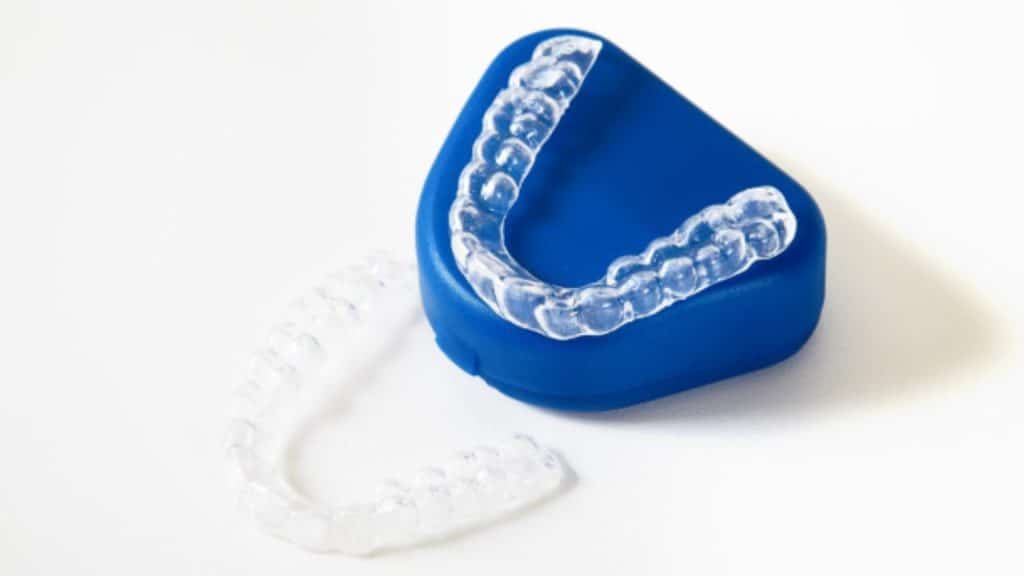
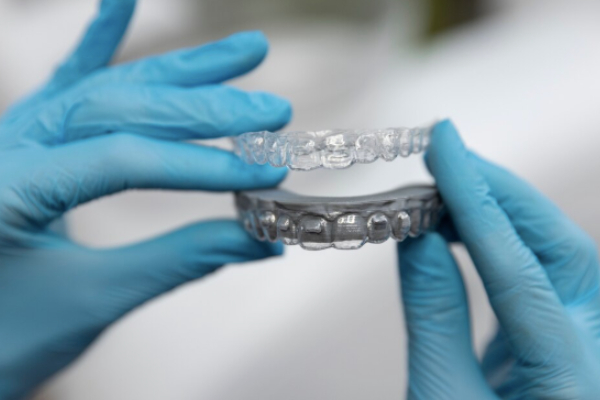
Invisalign is an orthodontic treatment that straightens teeth using a series of custom-made clear plastic aligners. Each aligner is digitally designed to apply gentle pressure, gradually moving teeth into better alignment over time. Unlike braces, Invisalign aligners are removable, making eating, brushing, and flossing much easier.
If you’re interested in learning more about the technology behind clear aligners, treatment eligibility, and the complete Invisalign process, explore our comprehensive guide on Invisalign. It explains how the system works, the types of dental conditions it can correct, and what you can expect throughout your orthodontic journey.
What Are Traditional Braces?
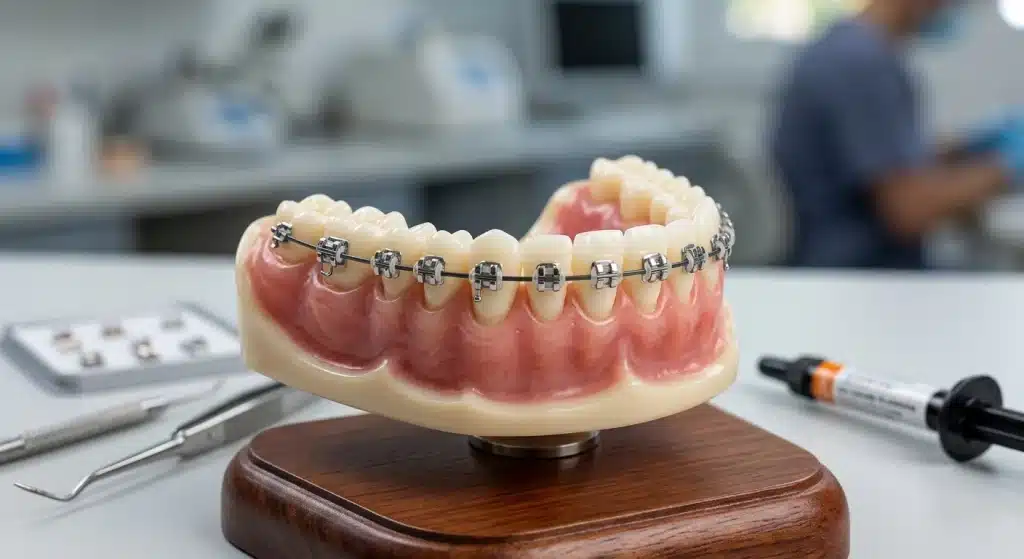
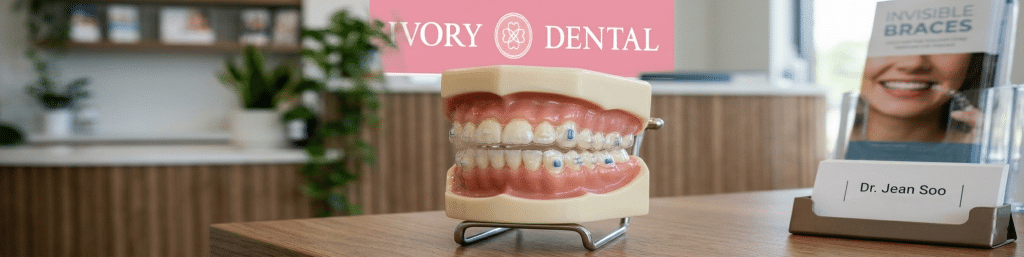
Traditional braces use metal or ceramic brackets attached directly to the teeth, connected by orthodontic wires.
The wires are adjusted periodically by your dentist or orthodontist to guide the teeth into their ideal positions.
Because braces remain fixed throughout treatment, they continuously apply force without depending on patient compliance.
The Difference of Invisalign and Braces
Although both treatments share the same goal, they differ in several important ways.
Appearance
One of the biggest differences is visibility.
Invisalign:
- Virtually invisible
- Clear plastic aligners
- Popular among adults and professionals
Traditional Braces:
- Metal or ceramic brackets
- More noticeable during treatment
- Decorative coloured bands available for younger patients
Pro Tips : If appearance is one of your biggest concerns, Invisalign is generally the more discreet option.
Comfort
Comfort is another major factor patients consider.
Invisalign:
- Smooth plastic material
- No brackets or wires
- Less irritation to cheeks and lips
Braces:
- Brackets may rub against soft tissues
- Wires occasionally require adjustment
- Mild soreness after tightening appointments
Although both treatments create pressure as teeth move, many patients find Invisalign more comfortable for everyday wear.
Removability
This is one of the most significant differences.
| Invisalign | Braces |
|---|---|
| Removable | Fixed |
| Can be removed for meals | Cannot be removed |
| Easy cleaning | Requires special brushing techniques |
Being removable allows Invisalign patients greater flexibility during meals and oral hygiene routines.
Which Dental Problems Can They Treat?
Both Invisalign and braces are effective for correcting many orthodontic conditions.
Invisalign Can Correct
- Mild crowding
- Moderate crowding
- Small gaps
- Mild overbite
- Mild underbite
- Mild crossbite
- Relapsed orthodontic treatment
Braces Can Correct
- Severe crowding
- Complex bite issues
- Significant tooth rotations
- Impacted teeth
- Major jaw alignment problems
- Extensive orthodontic corrections
For more complicated cases, traditional braces may offer greater control over tooth movement.
Pro Tips : The most suitable treatment depends on your individual dental condition rather than personal preference alone.
Invisalign vs Braces Comparison Table
| Feature | Invisalign | Traditional Braces |
|---|---|---|
| Appearance | Nearly invisible | Visible |
| Material | Clear plastic | Metal or ceramic |
| Removable | Yes | No |
| Comfort | Smooth aligners | Brackets and wires |
| Eating | Remove before meals | Food restrictions apply |
| Oral Hygiene | Easier | More difficult |
| Dental Visits | Less frequent | More frequent adjustments |
| Suitable for Complex Cases | Selected cases | Most cases |
| Lifestyle Flexibility | High | Moderate |
This comparison highlights why many adults choose Invisalign, while braces remain highly effective for more advanced orthodontic cases.
Treatment Duration
One of the most common questions patients ask concerns treatment time.
Invisalign
Average treatment duration:
- Mild cases: 6–12 months
- Moderate cases: 12–18 months
- Complex cases: 18–24 months
Success depends heavily on wearing aligners for the recommended 20–22 hours each day.
Braces
Treatment typically lasts:
- 12–24 months
- Occasionally longer for complex orthodontic cases
Because braces remain attached to the teeth, treatment progression does not rely on patient compliance as much as Invisalign.
Pro Tips : Consistently following your dentist’s instructions is one of the biggest factors affecting treatment duration, regardless of which option you choose.
Daily Lifestyle Differences
Orthodontic treatment becomes part of your everyday life, making convenience an important consideration.
Eating
Invisalign
Simply remove the aligners before eating.
No specific food restrictions apply.
Braces
Patients should avoid:
- Hard candies
- Popcorn
- Nuts
- Sticky sweets
- Ice
- Chewy foods
These foods may damage brackets or wires.
Oral Hygiene
Maintaining good oral hygiene is generally easier with Invisalign because the aligners are removable.
Braces require extra care to clean around brackets and wires, making flossing more time-consuming.
Sports and Activities
Invisalign can be removed during contact sports when appropriate mouthguards are required.
Patients wearing braces may need specially designed orthodontic mouthguards for protection.
Advantages and Disadvantages
Invisalign Advantages
- Nearly invisible
- Comfortable
- Removable
- Easier brushing
- No dietary restrictions
- Predictable digital planning
Invisalign Limitations
- Requires patient discipline
- Must be worn consistently
- Not suitable for every complex case
Braces Advantages
- Effective for simple and complex cases
- Always working because they remain fixed
- No risk of forgetting to wear them
- Highly predictable for difficult tooth movements
Braces Limitations
- More visible
- Food restrictions
- Cleaning is more challenging
- Potential irritation from brackets and wires
Pro Tips : There is no universally “better” treatment. The right choice depends on your orthodontic needs, lifestyle, and treatment goals.
How to Choose Between Invisalign and Braces
Selecting the right orthodontic treatment involves more than simply comparing appearance or convenience. Your dentist will evaluate your bite, tooth alignment, jaw structure, oral health, and long-term treatment goals before recommending the most suitable option.
If you’re considering clear aligners and would like personalised advice, our guide on Invisalign treatment in Tampines explains the consultation process, digital smile planning, treatment timeline, and what you can expect from start to finish. It can help you understand whether Invisalign is the right orthodontic solution based on your smile goals and dental needs.
Factors to consider include:
- Complexity of your orthodontic condition
- Desired appearance during treatment
- Lifestyle and daily routine
- Commitment to wearing removable aligners
- Budget considerations
- Overall oral health
A personalised consultation provides the most accurate recommendation for your individual needs.
Pro Tips : Don’t choose based solely on aesthetics. A professional assessment ensures your chosen treatment delivers both functional improvements and a confident, healthy smile.
Orthodontic Treatment Checklist
Before Starting Treatment
- Schedule a comprehensive orthodontic consultation
- Complete any necessary dental treatments
- Discuss your smile goals with your dentist
- Understand the expected treatment timeline
During Treatment
- Follow your dentist’s instructions carefully
- Maintain excellent oral hygiene
- Attend all scheduled review appointments
- Protect your teeth and orthodontic appliances
After Treatment
- Wear your retainers as recommended
- Continue regular dental check-ups
- Maintain healthy brushing and flossing habits
- Protect your long-term orthodontic results
Conclusion: Still Unsure About the Difference of Invisalign and Braces?
Understanding the difference of Invisalign and braces is the first step toward choosing the orthodontic treatment that best fits your smile goals and lifestyle. While Invisalign offers a discreet and removable solution for many mild to moderate alignment concerns, traditional braces remain an excellent choice for treating more complex orthodontic cases. Both options can effectively improve your smile, bite function, and long-term oral health when planned and monitored by an experienced dental professional.
At Ivory Dental Singapore, our experienced dental team provides personalised orthodontic consultations using advanced diagnostic technology and evidence-based treatment planning. We carefully assess your teeth, bite, and oral health before recommending the treatment that best suits your individual needs. Whether Invisalign or traditional braces is the right option for you, we are committed to helping you achieve a healthier, straighter, and more confident smile through customised care and ongoing support.
If you’re ready to begin your orthodontic journey, contact Ivory Dental Singapore today to schedule a consultation and discover which treatment is the ideal solution for your smile.
Frequently Asked Questions
Which treatment is faster?
Treatment time depends on the complexity of your case. Mild Invisalign cases may finish sooner, while complex cases may require braces for optimal results.
Which option is less noticeable?
Invisalign is significantly less visible because the aligners are made from transparent plastic.
Are braces cheaper than Invisalign?
Costs vary depending on treatment complexity, duration, and your personalised treatment plan. Your dentist can provide a detailed estimate after your consultation.
Can adults choose races?
Absolutely. Many adults successfully complete orthodontic treatment with either braces or Invisalign.
Which treatment requires fewer dental appointments?
Invisalign often requires fewer adjustment visits compared to traditional braces, although regular progress reviews remain essential.