Blk 471B Yishun Street 42, #01-02, Singapore 762471
Toothache is pain or discomfort in or around a tooth, and the common causes of toothache include tooth decay, dental sensitivity, gum disease, cracked teeth, dental infections, and problems affecting the wisdom teeth. Although some toothaches may begin as mild sensitivity, persistent or worsening pain can indicate a dental problem that requires professional assessment.
A toothache can be distracting at first. Perhaps it appears when you drink something cold, hurts when you bite into food, or suddenly becomes noticeable at night. Sometimes the pain disappears, making it tempting to ignore. However, the absence of pain does not always mean the underlying problem has gone away.
At Ivory Dental, dental care focuses on prevention, accurate diagnosis, and personalised treatment. The clinic provides general, preventive, restorative, surgical, and cosmetic dental services, with dental teams experienced in treating a wide range of oral health concerns. Understanding why tooth pain happens is the first step towards knowing what to do next.
What Are the Common Causes of Toothache?
The most common causes of toothache are conditions that affect the tooth enamel, dentine, pulp, gums, or surrounding tissues. The type of pain can sometimes provide clues, but only a dental examination can accurately identify the cause.
Here are the most frequent reasons a tooth may hurt:
| Common cause | Typical symptoms | Possible dental concern |
|---|---|---|
| Tooth decay | Sensitivity, aching, pain with sweets | Cavity |
| Dental sensitivity | Short, sharp pain from hot or cold foods | Exposed dentine or worn enamel |
| Gum disease | Tender, swollen, or bleeding gums | Gingivitis or periodontitis |
| Cracked tooth | Pain when biting or releasing a bite | Tooth fracture |
| Dental infection | Severe pain, swelling, bad taste | Abscess or infection |
| Wisdom tooth problems | Pain at the back of the mouth | Impaction or inflammation |
| Dental trauma | Sudden pain after an accident | Damage to the tooth or supporting tissues |
The important point is that toothache is a symptom rather than a diagnosis. Two people may experience similar pain but require completely different treatments.
1. Tooth Decay and Cavities
Tooth decay is one of the most common causes of toothache. It develops when acids produced by bacteria gradually damage the hard outer layers of a tooth.
In the early stages, decay may cause no noticeable symptoms. As the cavity becomes deeper, you may begin to notice:
- Sensitivity to sweet foods and drinks
- Pain when consuming hot or cold items
- A dull ache
- Food getting trapped in a particular area
- Increasing discomfort when the tooth is used for chewing
For cavities that have damaged the tooth structure, dental filling may help restore the affected area and prevent further deterioration when treated appropriately.
Why early treatment matters
A cavity generally does not repair itself once a significant hole has formed. Delaying assessment may allow the decay to progress towards the inner pulp of the tooth, where nerves and blood vessels are located.
Pro Tip: If one tooth repeatedly hurts when you eat or drink, do not simply wait for the pain to disappear. Repeated symptoms are a good reason to arrange a dental examination.
2. Tooth Sensitivity
Tooth sensitivity often causes a sudden, sharp sensation when you consume something cold, hot, sweet, or acidic. It may also occur when brushing your teeth.
Sensitivity can be associated with:
- Enamel wear
- Gum recession
- Exposed dentine
- Aggressive brushing
- Acid erosion
- Tooth decay
- Cracks in the tooth
Not all sensitivity means the same thing. Mild, short-lasting sensitivity may have a different cause from severe or persistent pain.
A simple way to understand sensitivity
Trigger → exposed or irritated tooth structure → nerve response → brief sharp pain
If sensitivity continues for a long time after the trigger is removed, becomes more intense, or occurs without an obvious trigger, professional assessment is especially important.
3. Gum Disease and Inflammation
Toothache is not always caused by the tooth itself. The gums and tissues surrounding the teeth can also become inflamed or infected.
Early gum disease may cause:
- Red or swollen gums
- Bleeding during brushing or flossing
- Bad breath
- Gum tenderness
As gum disease progresses, patients may experience more significant discomfort, gum recession, or changes in how the teeth feel.
Professional preventive care, including regular examinations and professional cleaning where appropriate, can help identify gum problems before they become more advanced.
4. Dental Infection and Abscess
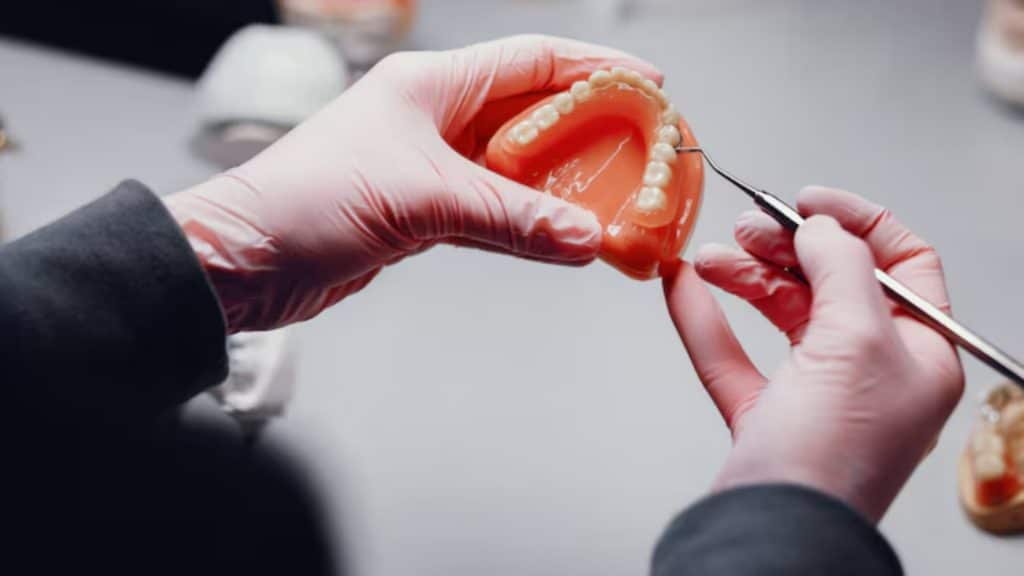
A dental infection can cause intense or persistent pain. It may develop when bacteria reach the inner part of a tooth or surrounding tissues.
Possible warning signs include:
- Severe toothache
- Swelling around the gum
- Facial or jaw swelling
- A bad taste in the mouth
- Pus around the tooth
- Fever or feeling unwell
- Pain that worsens over time
A dental abscess should not be ignored. The infection may require urgent professional assessment and treatment.
The appropriate treatment depends on the cause and severity. Options may include restorative treatment, root canal treatment, drainage, or extraction when a tooth cannot be safely preserved.
Pro Tip: Severe tooth pain combined with swelling is more concerning than mild, occasional sensitivity. Contact a dental clinic promptly rather than waiting for the symptoms to become worse.
5. Cracked, Chipped, or Damaged Teeth
A cracked tooth can cause pain when biting or when releasing pressure after a bite. Some cracks are visible, while others may be difficult to detect without a dental examination.
Common causes include:
- Biting hard foods
- Accidental injury
- Teeth grinding
- Large existing fillings
- General wear over time
A cracked tooth may also become sensitive to temperature. The treatment depends on the location and extent of the damage.
In some cases, a tooth may be restored. More complex damage may require additional restorative or surgical treatment.
6. Wisdom Tooth Problems
Wisdom teeth are another common cause of pain, especially when there is insufficient space for them to erupt properly.
A problematic wisdom tooth may cause:
- Pain at the back of the mouth
- Swollen gums
- Difficulty opening the mouth
- Food becoming trapped
- Jaw discomfort
- Inflammation around the tooth
Some wisdom teeth cause no symptoms at all, while others may lead to recurring problems. A dentist may use a clinical examination and dental X-ray to evaluate the tooth and its position.
When treatment is necessary, the recommended approach depends on factors such as the tooth’s position, symptoms, surrounding structures, and overall oral health.
7. Toothache After Dental Treatment
Temporary sensitivity can sometimes occur after certain dental procedures. For example, a tooth may feel sensitive after restorative treatment or professional dental procedures.
However, persistent, worsening, or severe pain should not automatically be considered normal.
Contact your dentist if:
- Pain becomes increasingly severe.
- Swelling develops.
- You develop a fever or feel unwell.
- You cannot bite comfortably.
- The tooth becomes extremely sensitive.
- Symptoms continue longer than expected.
The dental team can determine whether the symptoms are part of normal recovery or indicate another issue requiring attention.
How Can You Tell What May Be Causing Your Toothache?
The following guide can help you understand possible patterns:
| What you feel | What it may suggest |
|---|---|
| Brief sharp pain from cold drinks | Sensitivity or early dental problems |
| Pain from sweets | Possible tooth decay |
| Pain when biting | Crack, decay, or inflammation |
| Constant throbbing pain | Possible deeper inflammation or infection |
| Pain with swelling | Possible infection |
| Pain at the back of the mouth | Wisdom tooth-related problem |
| Pain after an injury | Dental trauma |
This table is only a general guide. Symptoms can overlap, so it should not replace a professional diagnosis.
When Should You See a Dentist for Toothache?
You should arrange a dental appointment if your toothache is persistent, recurrent, worsening, or interfering with eating, sleeping, or daily activities.
Seek prompt professional care if you experience:
- Severe tooth pain
- Facial or jaw swelling
- A dental abscess or pus
- Fever associated with dental pain
- A broken or knocked-out tooth
- Bleeding that does not stop
- Difficulty swallowing or breathing
If you are looking for professional toothache treatment in Yishun, Ivory Dental provides dental assessment and treatment options for patients experiencing tooth pain and related oral health concerns.
What Can You Do Before Your Dental Appointment?

If you are waiting for an appointment, simple measures may help you avoid aggravating the affected area:
- Keep the area clean with gentle brushing.
- Avoid chewing on the painful side.
- Avoid foods and drinks that trigger your symptoms.
- Follow the label instructions for any suitable over-the-counter pain relief.
- Use a cold compress externally if swelling is present.
- Do not place sharp objects around the painful tooth.
These steps are temporary measures. They do not remove the underlying cause of toothache.
Why Professional Diagnosis Is Important
Searching online can help you understand possible reasons for tooth pain, but it cannot determine exactly what is happening inside a tooth.
For example, a sharp pain from cold drinks could be caused by sensitivity, decay, a crack, or another dental condition. Similarly, a dull ache could have several possible explanations.
That is why a professional examination matters. Dentists can assess the tooth, gums, surrounding tissues, and, when necessary, use dental X-rays to support diagnosis.
Ivory Dental’s clinical team includes dentists with experience across general, preventive, restorative, cosmetic, and surgical dentistry. The clinic also provides services such as dental fillings, root canal treatment, gum disease treatment, wisdom tooth care, dental surgery, and emergency dental treatment.
Conclusion: Understanding the Common Causes of Toothache Helps You Act Earlier
The common causes of toothache include tooth decay, sensitivity, gum disease, cracked teeth, dental infections, wisdom tooth problems, and dental trauma. While mild symptoms may sometimes be temporary, persistent or worsening pain should not be ignored.
The most practical approach is simple: pay attention to your symptoms, avoid delaying care, and arrange a professional dental assessment when tooth pain continues or becomes severe. Early diagnosis can help identify the cause and guide the most appropriate treatment.
If you are experiencing tooth pain or want to understand your treatment options, visit Ivory Dental to explore professional dental services and book an appointment. The clinic provides comprehensive dental care for preventive, restorative, surgical, and cosmetic needs, with locations serving patients in Yishun and Tampines.
Pro Tip: Don’t wait until toothache becomes unbearable. A small symptom today may be easier to assess and manage than a dental problem that has been left untreated for months.
FAQs (Frequently Ask Questions)
What are the common causes of toothache?
The common causes of toothache include tooth decay, dental sensitivity, gum disease, cracked teeth, dental infections, and wisdom tooth problems.
When should I see a dentist for toothache?
You should see a dentist if your toothache is persistent, worsening, severe, or accompanied by swelling, fever, or difficulty eating.
Can a cavity cause severe toothache?
Yes. An untreated cavity can progress deeper into the tooth and cause increasing pain, sensitivity, inflammation, or infection
Why does my tooth hurt when I drink something cold?
Cold sensitivity may be caused by exposed dentine, enamel wear, gum recession, tooth decay, or a cracked tooth.
What should I do if my toothache is accompanied by swelling?
Toothache with swelling may indicate inflammation or infection. You should seek professional dental assessment promptly to identify the cause and receive appropriate treatment.