Blk 471B Yishun Street 42, #01-02, Singapore 762471

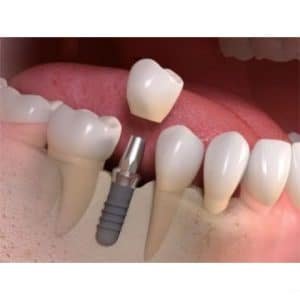
A dental crown after a root canal is often recommended to protect a treated tooth and restore its strength and function. Root canal treatment removes infected or inflamed pulp from inside the tooth, but the remaining tooth structure may still need additional protection, especially when significant structure has been lost.
Not every root canal-treated tooth automatically needs a crown. The decision depends on the tooth’s location, how much healthy structure remains, the size of the restoration, and the forces the tooth experiences during chewing.
Why Might You Need a Dental Crown After a Root Canal?
A dental crown can protect a weakened tooth from further damage while restoring its shape and ability to function normally. Back teeth such as premolars and molars often benefit from full-coverage crowns because they experience substantial chewing forces.
During root canal treatment, the infected pulp is removed and the inside of the tooth is cleaned, shaped, filled, and sealed. However, the procedure itself is not what makes every tooth require a crown. The amount of tooth structure already lost from decay, cracks, previous fillings, or access for treatment is an important consideration.
The American Association of Endodontists notes that posterior teeth generally require crowns more often, while some front teeth may be restored conservatively when enough healthy structure remains.
A dentist may consider a crown particularly when:
- A large amount of tooth structure has been lost.
- The tooth is a molar or premolar exposed to heavy chewing forces.
- The tooth has a large existing filling.
- The tooth has cracks or significant structural damage.
- A filling alone would not provide adequate protection.
Does Every Root Canal Tooth Need a Crown?

No. A dental crown after a root canal is not automatically required for every patient or every tooth. Some teeth, particularly front teeth with minimal structural loss, may be successfully restored with a bonded filling or another conservative restoration.
The decision should be based on an examination rather than simply the fact that the tooth has undergone root canal treatment.
| Situation | Possible restoration |
|---|---|
| Minimal tooth structure lost | Bonded filling or direct restoration |
| Large amount of structure lost | Dental crown may be recommended |
| Root canal-treated molar | Crown commonly considered |
| Root canal-treated premolar | Crown often considered depending on remaining structure |
| Front tooth with minimal damage | Filling or bonded restoration may be sufficient |
| Severely weakened tooth | Crown or another restorative approach may be needed |
The goal is to preserve as much healthy tooth structure as possible while providing enough protection for the tooth to function comfortably.
When Should a Crown Be Placed After a Root Canal?
A permanent crown should generally be planned promptly once the root canal treatment has been completed and the dentist determines that full coverage is appropriate. The tooth may initially have a temporary filling or temporary restoration while treatment is being completed.
The American Association of Endodontists specifically advises patients to return to their dentist for the final restoration after endodontic treatment. Delaying permanent restoration can leave the treated tooth more vulnerable to problems.
The exact timing varies because your dentist may need to consider:
- Whether the infection has been successfully treated.
- How much tooth structure remains.
- Whether there are cracks or other structural problems.
- Whether a temporary restoration is currently protecting the tooth.
- What type of permanent restoration is most appropriate.
Until the tooth has been permanently restored, it is sensible to follow your dentist’s instructions and avoid putting excessive force on it.
What Happens When You Get a Crown After a Root Canal?
Getting a crown after root canal treatment usually involves several stages. The dentist first evaluates the treated tooth and then prepares it to receive the permanent restoration.
A typical process may involve:
- Examination and assessment
The dentist checks the root canal-treated tooth and evaluates the remaining tooth structure.
- Tooth preparation
A small amount of tooth structure is shaped to create enough space for the crown.
- Impression or digital scan
The prepared tooth is recorded so the dental laboratory can create a crown that fits the tooth and surrounding bite.
- Temporary protection
Depending on the treatment plan, a temporary crown may be placed while the permanent restoration is being prepared.
- Permanent crown placement
Once the crown is ready, the dentist checks its fit, shape, contacts, and bite before permanently securing it.
Crowns can be made from different materials, including ceramic, porcelain-based materials, metal, or combinations of materials. The most appropriate option depends on factors such as the tooth’s location, appearance, function, and structural requirements.
Dental Crown vs Filling After a Root Canal
If you want to learn more about how dental crowns can restore and protect damaged teeth, our guide to dental crown and bridge treatment explains the available options, benefits, and what to expect from the treatment process.
The choice between a crown and filling depends mainly on how much healthy tooth structure remains and how much protection the tooth needs.
A filling can be appropriate when the tooth has retained substantial healthy structure and does not require full coverage. A crown, on the other hand, surrounds the remaining tooth structure and can provide broader protection.
For example, a patient who has a root canal on a molar with extensive decay and a large existing filling may have considerably less remaining tooth structure. In that situation, a dentist may recommend a crown to provide greater protection during chewing.
In contrast, a front tooth that has undergone a relatively conservative root canal and still has strong surrounding tooth structure may not necessarily require full coverage.
What Happens If You Delay a Crown After a Root Canal?
Delaying the final restoration can increase the risk of problems, particularly if the tooth is structurally compromised or the temporary restoration becomes damaged.
A poorly protected tooth can be exposed to:
- Cracking or fracture.
- New decay around the restoration.
- Leakage that allows bacteria to reach the treated area.
- Damage to a temporary filling or crown.
- Further restorative treatment if the tooth becomes compromised.
The AAE notes that delayed crown placement and a restoration that fails to adequately seal the tooth can contribute to problems after endodontic treatment.This does not mean every tooth will fail if a crown is delayed, but it highlights why following the dentist’s recommended restoration timeline matters.
How Long Can a Root Canal-Treated Tooth Last With a Crown?
A properly treated and restored tooth can remain functional for many years, and some root canal-treated teeth can last a lifetime with appropriate care. Long-term outcomes depend on factors such as the quality of the root canal treatment, the amount of remaining tooth structure, the quality and timing of the permanent restoration, oral hygiene, and habits that place excessive force on the tooth.
The American Association of Endodontists states that with proper care, teeth that have received root canal treatment can last a lifetime.
This is why the crown should not be viewed simply as a cosmetic cover. When indicated, it forms an important part of restoring the tooth after endodontic treatment.
What Should You Do After Getting a Dental Crown?
Once the permanent crown has been placed, caring for it is similar to caring for your natural teeth.
Maintain good oral hygiene by:
- Brushing twice a day with fluoride toothpaste.
- Cleaning between the teeth every day.
- Attending regular dental check-ups.
- Avoiding habits such as chewing ice or using your teeth to open objects.
- Contacting your dentist if the crown feels loose, cracked, or uncomfortable.
If your bite feels uneven after the crown is placed, let your dentist know. An uncomfortable bite should be assessed rather than ignored. The AAE also recommends contacting your dental professional if severe pain, swelling, or returning symptoms develop after root canal treatment.
A Simple Example: Why a Molar May Need a Crown
Consider a patient who has a badly decayed lower molar. The decay has removed a significant amount of tooth structure, and the pulp has become infected. The dentist performs root canal treatment to remove the infection and preserve the natural tooth.
Although the infection has been treated, the remaining molar is structurally weakened. Because the molar is also exposed to substantial chewing forces, the dentist recommends a full-coverage crown.
The crown does not replace the root canal. Instead, it is the final restoration that protects and restores the remaining tooth.
This distinction is important: root canal treatment addresses the infected or inflamed tissue inside the tooth, while the crown addresses the tooth’s structural restoration.
Conclusion: Protecting Your Tooth After Root Canal Treatment

A dental crown after a root canal can provide important protection when a tooth has lost significant structure or is exposed to substantial chewing forces. However, not every root canal-treated tooth needs a crown, so the appropriate restoration should be determined after examining the tooth and assessing how much healthy structure remains.
At Ivory Dental, treatment planning focuses on preserving natural teeth while selecting restorations that suit each patient’s dental condition and functional needs. If you have recently completed root canal treatment or have been advised to get a crown, a professional assessment can help you understand your options.
For more information about dental treatment and restorative care, visit Ivory Dental to explore available services and arrange a consultation.
If you have recently undergone a root canal and are unsure whether you need a crown, a professional assessment can help determine the most suitable restoration for your tooth. Contact Ivory Dental to arrange a consultation and discuss your dental crown options with the dental team.
Frequently Asked Questions
Is a crown always needed after a root canal?
No. Whether a crown is needed depends on the tooth’s location, remaining structure, existing damage, and functional demands. Back teeth commonly require crowns, while some front teeth can be restored with a filling when sufficient structure remains.
How soon can I get a crown after a root canal?
The timing depends on your individual treatment and the condition of the tooth. In general, the permanent restoration should be planned promptly after root canal treatment when a crown is indicated. Your dentist will determine when the tooth is ready for final restoration.
Can a tooth break after a root canal?
Yes. A root canal does not make a tooth immune to fracture. If substantial tooth structure has been lost, the remaining tooth may still be vulnerable to cracking or breaking, which is one reason a crown may be recommended.
Can I eat normally after getting a dental crown?
You may need to be cautious immediately after crown placement, particularly while the effects of local anaesthetic are still present or if a temporary crown has been fitted. Follow your dentist’s specific instructions about when and what to eat.
What happens if my crown hurts after a root canal?
Mild sensitivity or tenderness may occur during recovery, but persistent or severe pain should be assessed by your dentist. Pain, swelling, an uneven bite, or symptoms returning after treatment can indicate that further evaluation is needed.