Blk 471B Yishun Street 42, #01-02, Singapore 762471
How Long Invisalign Takes
One of the most common questions patients ask before starting treatment is how long Invisalign takes. The answer varies depending on the complexity of your case, but most treatments typically range between 6 to 18 months.
Invisalign works by using a series of custom-made, clear aligners that gradually shift your teeth into the desired position. Each aligner is worn for about 1–2 weeks before progressing to the next stage.
Understanding how long Invisalign takes helps set realistic expectations and ensures you stay committed throughout the process.
Dental treatments in Singapore follow guidelines set by the Ministry of Health, ensuring safe, predictable, and effective orthodontic outcomes.
Average Invisalign Treatment Time
The duration of Invisalign depends on how much tooth movement is required.
Typical Treatment Timelines
| Case Type | Estimated Duration |
|---|---|
| Mild alignment issues | 6–9 months |
| Moderate cases | 9–15 months |
| Complex cases | 15–24 months |
Explanation of Each Case
- Mild Cases (6–9 months)
These include small gaps or minor crowding. Because less movement is required, treatment progresses faster and requires fewer aligners.
- Moderate Cases (9–15 months)
These involve noticeable misalignment or bite issues. More aligners are needed to gradually reposition teeth.
- Complex Cases (15–24 months)
Severe crowding or bite correction takes longer because teeth must move in multiple directions over time.
Pro Tip: Your dentist will provide a personalized timeline after assessing your teeth.
Key Factors That Affect How Long Invisalign Takes

Several factors influence how long Invisalign takes, and understanding them can help you stay on track.
Important Factors Explained
- Severity of Misalignment
The more complex your case, the longer treatment will take. Severe crowding or bite issues require gradual adjustments over time.
- Aligner Wear Time
Invisalign aligners should be worn 20–22 hours daily. Removing them too often can delay progress significantly.
- Biological Response
Each person’s teeth move at a different rate. Some patients respond faster to treatment than others.
- Age and Oral Health
While Invisalign works for all ages, adults may experience slightly slower tooth movement compared to younger patients.
- Compliance with Instructions
Following your dentist’s advice, including switching aligners on schedule, directly impacts treatment duration.
If you’re exploring suitability, you can learn more about whether can adults get Invisalign and how age affects treatment timelines.
Insight: Even small inconsistencies in wearing aligners can add weeks or months to your treatment.
How Invisalign Progresses Over Time
Understanding the stages helps clarify how long Invisalign takes and why patience is important.
Treatment Stages Explained
- Initial Phase (First Few Weeks)
You may feel slight pressure as your teeth begin to shift. This is a sign that the aligners are working.
- Mid-Treatment Phase
Noticeable improvements become visible. Teeth gradually align, and bite issues start correcting.
- Final Phase
Fine adjustments are made to perfect alignment and ensure long-term stability.
Each phase builds upon the previous one, ensuring safe and controlled tooth movement.
Can Invisalign Be Faster?
Many patients want to know if they can speed up how long Invisalign takes.
Ways to Optimize Treatment Time
- Wear Aligners Consistently
Keeping them in for 20–22 hours daily ensures continuous tooth movement.
- Switch Aligners on Schedule
Delays in changing aligners can slow progress.
- Maintain Good Oral Hygiene
Healthy teeth and gums respond better to treatment.
- Attend Regular Check-Ups
Monitoring ensures everything is progressing correctly.
- Use Attachments or Accessories (if recommended)
These can improve the efficiency of tooth movement.
Pro Tip: There’s no safe shortcut, consistent habits are the best way to stay on schedule.
Invisalign vs Braces: Which Is Faster?

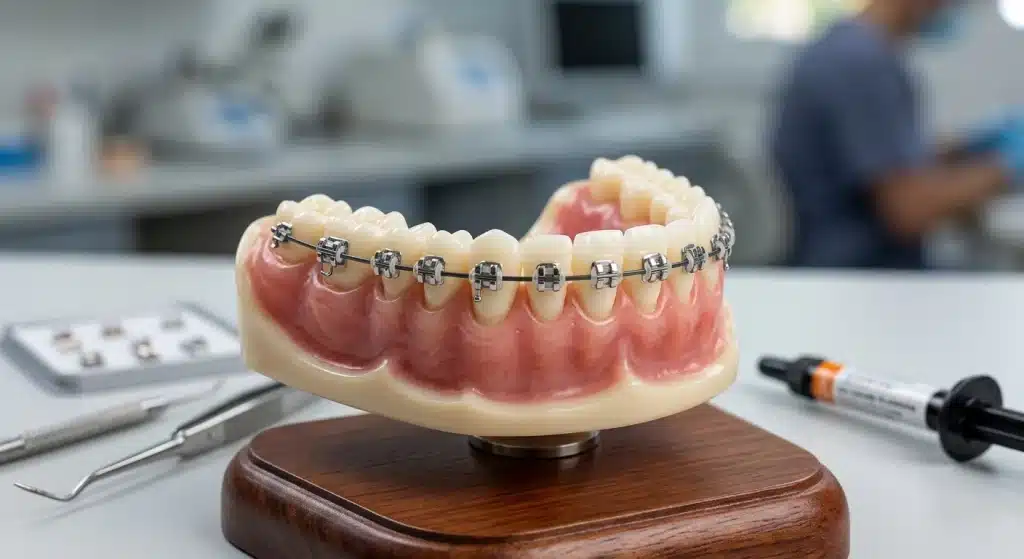
Patients often compare Invisalign with traditional braces when considering treatment duration.
Comparison Explained
- Invisalign
Often faster for mild to moderate cases due to precise digital planning and targeted movement.
- Traditional Braces
May be more effective for complex cases but can take longer depending on adjustments.
- Flexibility vs Control
Invisalign offers flexibility, but success depends on patient discipline, while braces provide constant pressure.
Note: The faster option depends on your specific dental condition, not just the treatment type.
Real Patient Insights on Invisalign Duration
Clinical observations show that patients who follow treatment guidelines closely often complete Invisalign within the estimated timeframe.
Key insights include:
- High success rates when aligners are worn consistently
- Faster results in mild to moderate cases
- Improved predictability with digital treatment planning
- Reduced need for emergency visits compared to braces
These findings reinforce that understanding how long Invisalign takes helps patients stay motivated and committed.
Conclusion: Understanding How Long Invisalign Takes Helps You Stay on Track
So, how long Invisalign takes depends on your unique dental condition, consistency, and commitment to the treatment plan. While most cases fall within 6 to 18 months, following professional guidance ensures the best possible outcome.
At Ivory Dental, patients receive personalized Invisalign care supported by advanced digital technology and expert planning. Each treatment is tailored to deliver safe, efficient, and long-lasting results.
If you’re ready to start your journey, explore Invisalign service in Yishun and take the first step toward a confident smile.
FAQs (Frequently Asked Questions)
How long Invisalign takes for most people?
Most patients complete treatment within 6 to 18 months, depending on case complexity.
Can Invisalign work in 6 months?
Yes, for mild cases such as small gaps or minor crowding.
Why is my Invisalign taking longer than expected?
Inconsistent wear, missed appointments, or complex tooth movement can extend treatment time.
Does age affect how long Invisalign takes?
Yes, adults may experience slightly slower tooth movement, but results are still effective.
Can I switch aligners faster to speed up treatment?
No. Changing aligners too early can compromise results and should only be done under professional guidance.