Blk 471B Yishun Street 42, #01-02, Singapore 762471
An infected tooth can be painful, disruptive, and worrying, especially when the infection reaches the soft tissue inside the tooth. In many cases, an infected tooth root canal is the most effective way to remove the infection while preserving the natural tooth. Rather than extracting the tooth, root canal treatment focuses on eliminating bacteria, relieving discomfort, and restoring normal function.
Understanding how root canal treatment works and when it’s needed can help you seek care before the infection becomes more serious.

What Is an Infected Tooth?
An infected tooth occurs when bacteria enter the dental pulp—the soft tissue at the centre of the tooth that contains nerves, blood vessels, and connective tissue. Once bacteria reach the pulp, inflammation develops, and without treatment, the infection can spread to the surrounding bone and gum tissue.
Common causes include:
- Deep tooth decay
- Untreated cavities
- Cracked or fractured teeth
- Trauma to the tooth
- Repeated dental procedures on the same tooth
An infected tooth rarely heals on its own. Professional treatment is usually necessary to stop the infection from progressing.
What Is an Infected Tooth Root Canal?
An infected tooth root canal is a dental procedure that removes infected or damaged pulp from inside the tooth. After the infected tissue is removed, the canals are carefully cleaned, disinfected, shaped, and sealed to prevent bacteria from returning.
The goal is to preserve the natural tooth while eliminating the source of infection.
According to the American Association of Endodontists, more than 15 million root canal procedures are performed every year in the United States, making it one of the most common treatments for saving infected teeth. If you’d like a more detailed overview of the procedure, recovery, and benefits of preserving a natural tooth, explore our complete guide to root canal treatment. It explains what to expect before, during, and after the procedure so you can feel more prepared.
Signs You May Need Root Canal Treatment
Some infections develop gradually, while others cause sudden pain.
You may need a root canal if you experience:
- Persistent toothache
- Sensitivity to hot or cold that lingers
- Pain when biting or chewing
- Swollen gums around the tooth
- A pimple-like bump on the gums
- Tooth discolouration
- Facial swelling in severe cases
Sometimes an infected tooth causes very little pain, especially once the nerve begins to die. This is why regular dental examinations remain important, even when symptoms seem mild.
Root Canal vs Tooth Extraction
Both treatments address infection, but they serve different purposes.
| Feature | Root Canal Treatment | Tooth Extraction |
|---|---|---|
| Saves Natural Tooth | Yes | No |
| Removes Infection | Yes | Yes |
| Preserves Bite Function | Yes | Replacement often needed |
| Recovery | Usually quicker for daily function | May require additional procedures |
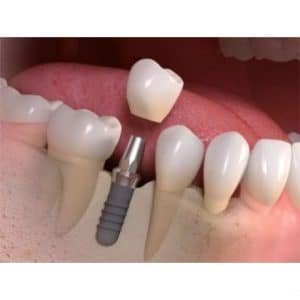
| Future Restoration | Crown if needed | Implant, bridge, or denture may be considered |
Whenever possible, dentists generally recommend preserving the natural tooth because it helps maintain normal chewing function and prevents neighbouring teeth from shifting.
How Does an Infected Tooth Root Canal Work?
Many patients are surprised to learn that modern root canal treatment is designed to relieve pain rather than cause it.
The procedure generally follows these steps:
- The dentist examines the tooth using clinical assessment and digital X-rays
- Local anaesthetic is administered to ensure comfort
- A small opening is created to access the infected pulp
- The infected tissue is carefully removed
- The root canals are cleaned and disinfected using specialised endodontic instruments
- The canals are filled with a biocompatible material to seal them
- A permanent filling or dental crown is placed to protect the tooth if necessary
Advances in rotary endodontic instruments and digital imaging have made treatment more predictable and comfortable than many people expect.
Can an Infected Tooth Heal Without a Root Canal?
This is one of the most common questions patients ask.
Unfortunately, once the dental pulp becomes irreversibly infected, it cannot repair itself. While antibiotics may temporarily reduce swelling in certain situations, they cannot remove infected tissue trapped inside the tooth.
Without treatment, the infection may continue to spread and could eventually lead to:
- Dental abscess
- Bone loss around the tooth
- Increased pain
- Swelling
- Tooth loss
Seeking treatment early usually offers the best opportunity to save the tooth.
A Real-World Example
A patient visited the clinic after experiencing intermittent tooth sensitivity for several months. Because the discomfort would come and go, they delayed making an appointment until chewing became painful.
After examination and digital X-rays, the tooth was diagnosed with irreversible pulp infection caused by deep decay. Root canal treatment successfully removed the infection, and a dental crown was later placed to restore strength. By treating the problem promptly, the patient was able to keep the natural tooth instead of requiring an extraction.
Cases like this highlight how early diagnosis often leads to simpler and more predictable outcomes.
Why Early Diagnosis Makes a Difference
In our experience, patients often wait until severe pain develops before seeking treatment. However, root canal treatment tends to be more straightforward when the infection is identified early.
Routine dental examinations allow dentists to detect:
- Hidden decay
- Cracked teeth
- Deep fillings nearing the pulp
- Early signs of infection on X-rays
Early treatment can help reduce complications and preserve more healthy tooth structure. Scheduling a regular dental check-up allows your dentist to identify early signs of tooth decay, infection, or other oral health concerns before they develop into more complex problems that require extensive treatment.
If you’re experiencing symptoms or have been advised to undergo treatment, learning more about root canal treatment in Yishun can help you understand the procedure, recovery process, and when root canal therapy may be recommended.
Recovery After Root Canal Treatment
Most patients recover quickly after treatment.
To support healing:
- Avoid chewing on the treated tooth until the final restoration is completed
- Maintain good oral hygiene
- Brush and floss gently around the treated area
- Take prescribed medications if recommended
- Attend follow-up appointments as instructed
Mild tenderness for a few days is common, but severe or persistent pain should always be reviewed by your dentist.
At Ivory Dental, every treatment plan is tailored to the patient’s individual needs, with the goal of preserving natural teeth whenever possible through modern restorative and endodontic care.
Conclusion: Treat an Infected Tooth Before It Gets Worse

An infected tooth root canal is one of the most effective ways to remove infection while preserving your natural tooth. Prompt treatment not only relieves pain but also helps prevent complications such as dental abscesses, bone loss, and tooth extraction.
If you notice persistent tooth pain, swelling, or prolonged sensitivity, don’t wait for the symptoms to worsen. Early diagnosis and treatment often lead to better outcomes and a smoother recovery.
At Ivory Dental, our experienced team provides personalised endodontic and restorative dental care using modern techniques to help patients protect their long-term oral health. Visit Ivory Dental to schedule a consultation and find out whether root canal treatment is the right solution for your dental needs.
FAQs (Frequently Ask Questions)
Is root canal treatment painful?
Modern root canal treatment is performed under local anaesthesia, making the procedure comfortable for most patients. In fact, the treatment is intended to relieve the pain caused by the infection.
How long does a root canal take?
Many root canal treatments can be completed in one or two appointments, depending on the complexity of the tooth and the severity of the infection.
Will I need a crown after a root canal?
Not every tooth requires a crown, but back teeth often benefit from one because they experience greater chewing forces. Your dentist will recommend the most suitable restoration based on the remaining tooth structure.
Can an infected tooth come back after a root canal?
Although root canal treatment has a high success rate, reinfection is possible if the tooth is not properly restored, develops a new cavity, or experiences a crack. Regular dental check-ups help monitor the health of the treated tooth.
Can a root canal be done if the tooth is badly infected?
Yes. In many cases, a root canal can still be performed even if the tooth is badly infected. Your dentist will first assess the extent of the infection using a clinical examination and X-rays. If the tooth can be restored, root canal treatment can remove the infected tissue, eliminate bacteria, and help save the natural tooth. However, if the infection has caused extensive damage and the tooth cannot be restored, extraction may be the more appropriate option.