Blk 471B Yishun Street 42, #01-02, Singapore 762471

Minor oral surgery refers to surgical dental procedures that are usually performed to treat problems involving the teeth, gums, or surrounding oral tissues. These procedures are often less extensive than major jaw or facial surgery, but they can still require careful planning, local anaesthesia, and specific aftercare.
Common examples include surgical tooth extraction, removal of impacted wisdom teeth, removal of retained tooth roots, and selected procedures involving soft tissue. The exact treatment depends on the condition being treated and the position of the affected tooth or tissue.
What Is Minor Oral Surgery?
Minor oral surgery is used when a dental problem cannot be managed effectively with routine non-surgical treatment. It may involve making a small incision, removing part of a tooth or surrounding bone, or treating tissue beneath the gum.
Unlike a standard dental filling or cleaning, minor oral surgery involves a surgical approach. However, many procedures can be completed in a dental clinic using local anaesthesia, allowing the patient to remain awake while the treatment area is fully numbed.
According to NHS oral surgery guidance, common referrals can include retained roots, impacted wisdom teeth, and teeth that are more difficult to remove through a routine extraction.
What Procedures Are Considered Minor Oral Surgery?
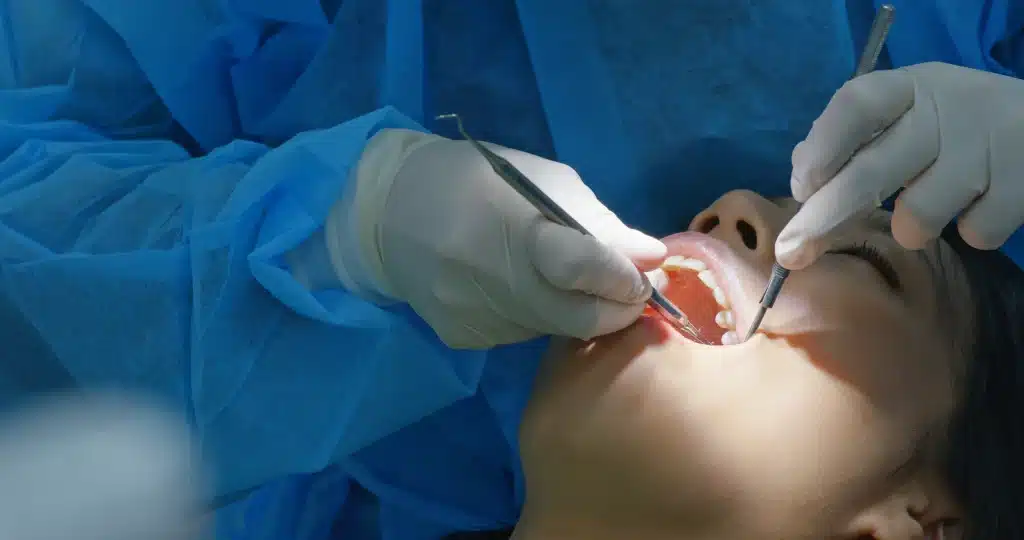
The term covers several different procedures, depending on the patient’s dental condition.Minor oral surgery covers several focused procedures, but dental surgery can also involve a wider range of treatments depending on the patient’s condition. To learn more about the procedures available and when surgical treatment may be recommended, explore our guide to dental surgery.
Surgical Tooth Extraction
A surgical extraction may be necessary when a tooth is broken, impacted, or difficult to access. Instead of simply loosening and removing the tooth, the dentist may need to make an incision in the gum or divide the tooth into smaller sections.\
This approach can make removal safer when the tooth cannot be easily accessed or removed in one piece.
Wisdom Tooth Removal
Impacted wisdom teeth are one of the most common reasons patients undergo oral surgery. A wisdom tooth may remain partially or completely trapped beneath the gum because there is not enough space for it to erupt normally.
Problems associated with impacted wisdom teeth can include:
- Pain and swelling
- Gum infection
- Tooth decay
- Food becoming trapped around the tooth
- Damage to neighbouring teeth
- Dental abscesses
X-rays are commonly used to assess the position of a wisdom tooth before deciding whether removal is appropriate.
Retained Root Removal
Sometimes a tooth breaks during extraction, leaving part of the root inside the jaw. If the remaining root causes problems or needs to be removed for further treatment, a surgical approach may be required.
Soft Tissue Procedures
Some minor oral surgical procedures involve the gums or other soft tissues rather than the tooth itself. The exact procedure depends on the diagnosis and may involve removing abnormal tissue or obtaining a sample for further assessment.
When Might You Need Minor Oral Surgery?
Minor oral surgery is generally recommended when there is a clear clinical reason for surgical treatment. Your dentist may first consider whether a simpler treatment can resolve the problem.
You may need an assessment for minor oral surgery if you have:
- An impacted wisdom tooth causing repeated problems
- A tooth that is severely broken or difficult to extract
- A retained tooth root
- Persistent infection associated with a problematic tooth
- An abnormal swelling or oral tissue that requires assessment
- A tooth that cannot be accessed through a conventional extraction
In our experience, patients are often concerned when they hear the word “surgery”. However, the term covers a wide range of procedures, and the actual treatment can be relatively straightforward depending on the case.
What Happens During Minor Oral Surgery?
The procedure varies depending on what needs to be treated, but the general process is usually straightforward.
- Dental assessment: The dentist examines the affected tooth, gums, and surrounding tissues.
- Diagnostic imaging: An X-ray or other dental imaging may be taken to understand the tooth’s position and surrounding anatomy.
- Treatment discussion: The dentist explains the recommended procedure, possible alternatives, expected recovery, and potential risks.
- Local anaesthesia: The treatment area is numbed so that the procedure can be carried out comfortably.
- Surgical procedure: The dentist performs the required treatment, which may involve lifting gum tissue, removing bone, sectioning a tooth, or removing tissue.
- Wound management: The area may be stitched if necessary, and post-operative instructions are provided.
For impacted wisdom teeth, for example, the dentist may need to open the gum, remove a small amount of surrounding bone, and divide the tooth into sections before removing it.
Minor Oral Surgery vs Simple Extraction
Although both treatments can involve removing a tooth, they are not always the same procedure.
| Factor | Simple Extraction | Minor Oral Surgery |
|---|---|---|
| Access to tooth | Usually straightforward | May be limited |
| Gum incision | Usually not required | May be required |
| Bone removal | Usually unnecessary | May sometimes be needed |
| Tooth sectioning | Rarely needed | May be necessary |
| Typical example | Fully erupted, accessible tooth | Impacted wisdom tooth |
| Recovery | Often relatively simple | May involve more swelling or soreness |
The decision between a simple extraction and a surgical approach is based on the tooth’s condition, position, roots, and surrounding structures.
How Long Does Minor Oral Surgery Take?
The length of minor oral surgery depends on the procedure and its complexity. A straightforward surgical extraction may take only a short time, while a difficult impacted wisdom tooth can require considerably longer.
For example, NHS guidance states that wisdom tooth removal often takes only a few minutes and generally no more than 40 minutes, although more complex cases can vary.
The important point is that treatment time and recovery time are different. A procedure may be completed relatively quickly while the gums and surrounding tissues still need several days or weeks to heal.
What Is Recovery Like After Minor Oral Surgery?
Some soreness, swelling, bruising, or jaw stiffness can be normal after minor oral surgery. Symptoms often become more noticeable during the first few days before gradually improving.
For wisdom tooth surgery, NHS guidance notes that pain and swelling can occur for up to two weeks, although normal activities may often resume sooner depending on the complexity of the procedure.
Your dentist may recommend:
- Eating soft foods during the early recovery period
- Avoiding smoking while the surgical area heals
- Keeping the mouth clean according to your dentist’s instructions
- Avoiding strenuous exercise immediately after surgery
- Taking recommended pain relief as directed
- Attending a follow-up appointment if required
If you have persistent or worsening pain, significant swelling, fever, or bleeding that does not stop with pressure, contact your dental provider for advice.
How Can You Prepare for Minor Oral Surgery?
Good preparation can make the treatment and recovery period easier. Before the procedure, make sure your dentist knows about your medical history, medications, allergies, and any previous problems with anaesthesia.
Depending on the procedure, your dentist may also provide specific instructions about eating, medication, smoking, or sedation.
If you are particularly anxious about dental treatment, mention this during your consultation. Understanding what will happen before, during, and after the procedure can make the experience much more manageable.
A Simple Example: When Surgical Extraction May Be Needed
Consider a patient with a lower wisdom tooth that is only partially visible. The tooth is angled toward the neighbouring molar, and food repeatedly becomes trapped around the gum.
An X-ray shows that the tooth cannot be removed easily through a conventional extraction. In this situation, the dentist may recommend surgical removal, potentially involving a small gum incision and sectioning of the tooth.
This illustrates why the type of extraction is determined by the tooth’s position rather than simply by the patient’s level of pain.
What Is the Difference Between Minor and Major Oral Surgery?
Minor oral surgery generally involves focused procedures that can often be completed in a dental clinic, while major oral surgery can involve more extensive treatment of the jaw, facial structures, or complex oral conditions.
| Minor Oral Surgery | Major Oral Surgery |
|---|---|
| Usually more localised | May involve larger areas |
| Often performed under local anaesthesia | May require sedation or general anaesthesia |
| Commonly completed in a dental clinic | May require hospital or specialist facilities |
| Often shorter recovery | Recovery may be more extensive |
| Examples include surgical extraction | May include complex jaw surgery |
The classification can vary depending on the procedure, clinical setting, and complexity of the patient’s condition.
When Should You See a Dentist?
You should arrange a dental assessment if you have persistent pain, swelling, repeated infection, or a tooth that appears difficult to clean or access. Early assessment can help determine whether the problem can be treated conservatively or whether surgical treatment may eventually be necessary.
If you are looking for more information about local dental surgical treatment, you can explore our guide to oral surgery in Yishun to learn about common procedures, preparation, recovery, and what to expect.
Conclusion: When Should You Consider Minor Oral Surgery?
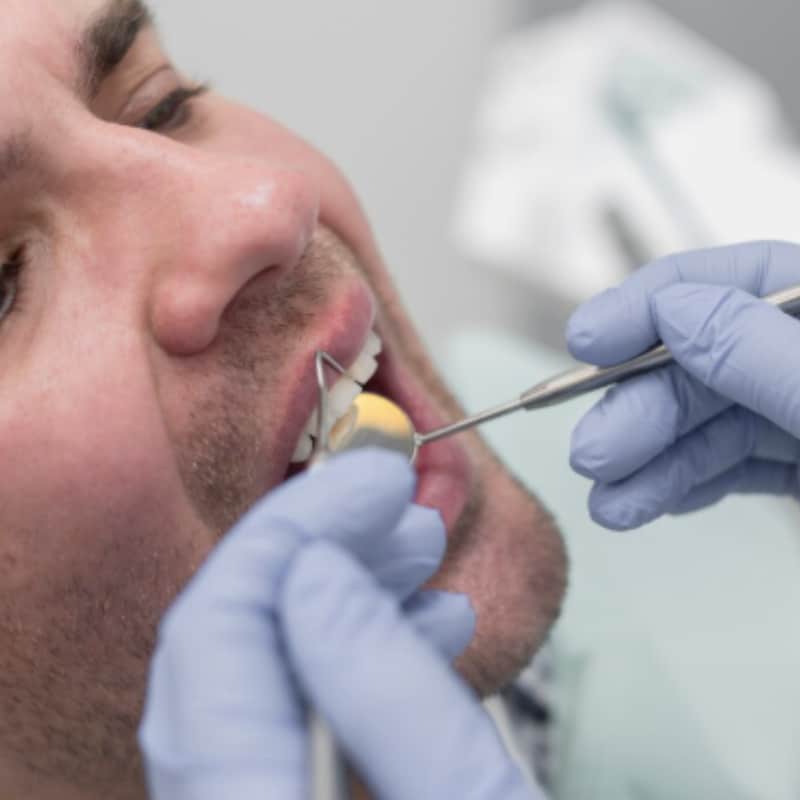
Minor oral surgery can provide an effective way to treat dental problems that cannot be managed through routine procedures. Surgical extraction, wisdom tooth removal, retained root removal, and selected soft tissue procedures are examples of treatment that may require this approach.
At Ivory Dental, treatment planning begins with an assessment of the individual tooth and surrounding oral structures. This helps determine whether minor oral surgery is necessary and which approach is most appropriate.
If you are experiencing persistent dental pain, swelling, an impacted wisdom tooth, or another problem that may require surgical treatment, visit Ivory Dental to learn more about your treatment options and arrange a dental assessment.
If you have persistent tooth pain, swelling, an impacted tooth, or another dental concern that may require minor oral surgery, a professional assessment can help determine the most appropriate treatment. Contact Ivory Dental to arrange an appointment and discuss your dental concerns with the dental team.
Frequently Asked Questions
Is minor oral surgery painful?
The treatment area is normally numbed with local anaesthesia, so you should not feel sharp pain during the procedure. Some soreness, swelling, or discomfort can occur afterward, depending on the type and complexity of surgery.
How long does it take to recover from minor oral surgery?
Recovery varies according to the procedure. Many patients experience the most noticeable swelling or discomfort during the first few days, with symptoms gradually improving afterward. More complex procedures may require a longer recovery period.
Can minor oral surgery be done under local anaesthesia?
Yes. Many minor oral surgical procedures can be performed under local anaesthesia. Sedation may sometimes be considered for patients who are anxious or for procedures that are more difficult.
Can I go back to work after minor oral surgery?
It depends on the procedure and the type of work you do. Some patients can return to normal activities quickly, while more difficult surgery may require a few days of recovery. Your dentist can provide advice based on your specific procedure.
What should I eat after minor oral surgery?
Soft foods are generally easier to manage during the early recovery period. Depending on the procedure, your dentist may recommend foods such as yoghurt, soup, mashed potatoes, pasta, or other soft meals while the area heals.