Blk 471B Yishun Street 42, #01-02, Singapore 762471
If you’ve been researching ways to improve your smile, you’ve probably come across veneers and dental crowns. At first glance, they might seem similar because both can transform the appearance of your teeth. However, the difference of veneers and crowns goes far beyond cosmetics. They serve different purposes, require different preparation, and are recommended for different dental conditions.
Understanding these differences can help you make an informed decision before starting treatment. Whether your goal is to repair a damaged tooth or enhance your smile, choosing the right option depends on your oral health, lifestyle, and long-term expectations.
Understanding Veneers and Crowns
Although veneers and crowns are both considered restorative dental treatments, they are designed to solve different problems.
What Are Dental Veneers?
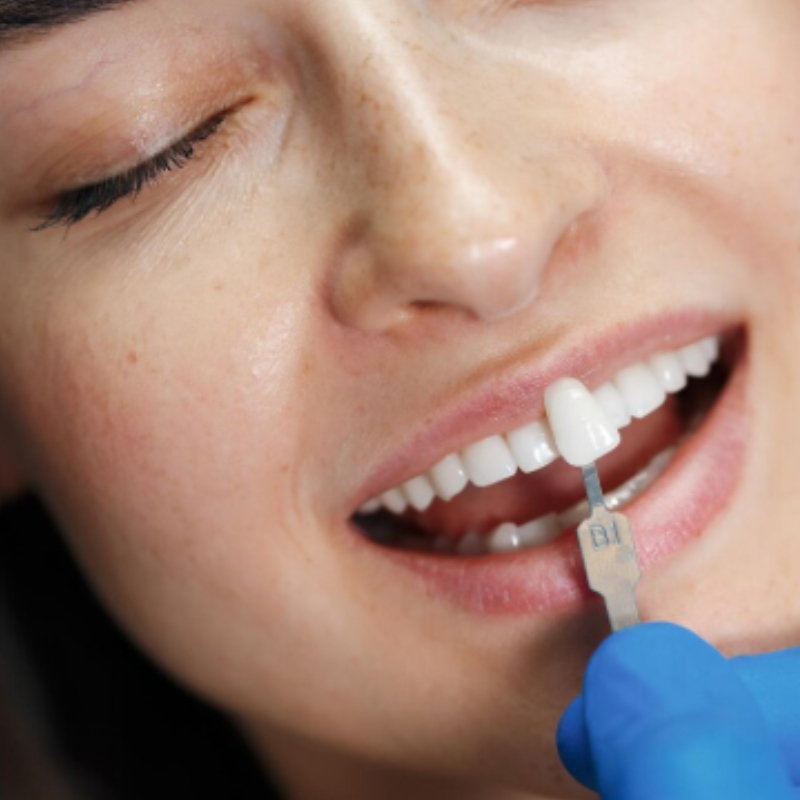
Dental veneers are thin shells, typically made from porcelain or composite resin, that are bonded to the front surface of a tooth. Their main purpose is to improve the appearance of teeth by correcting imperfections such as discoloration, minor chips, uneven spacing, or irregular shapes.
Since veneers only cover the visible front portion of the tooth, they usually require minimal removal of natural enamel. This makes them a more conservative cosmetic treatment for patients whose teeth are otherwise healthy.
What Are Dental Crowns?
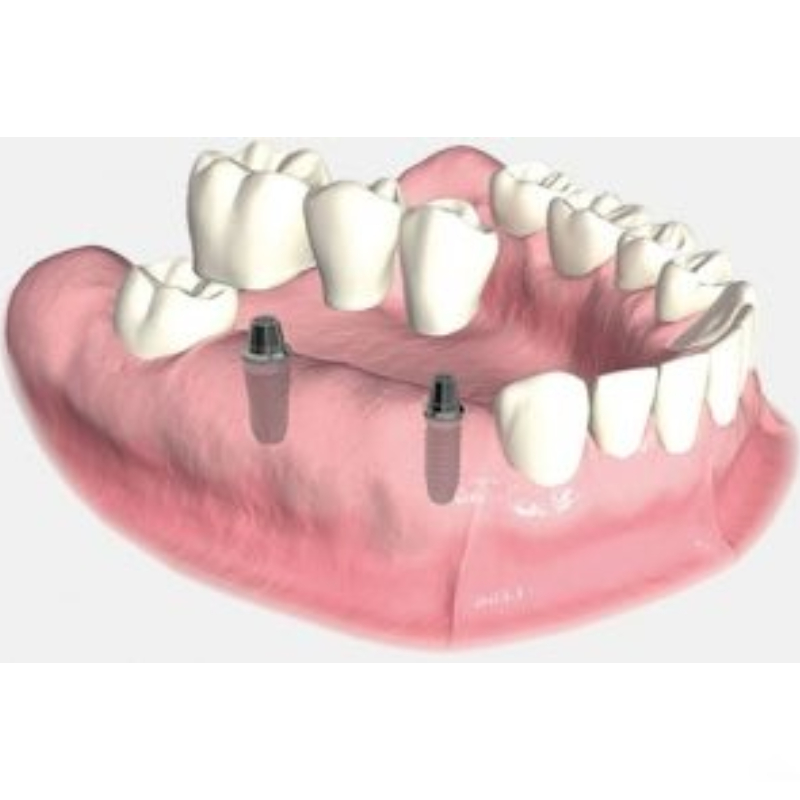
A dental crown, sometimes called a “cap,” covers the entire visible portion of a tooth above the gumline. Unlike veneers, crowns are designed not only to improve appearance but also to restore strength and function.
Dentists often recommend crowns for teeth that have been weakened by:
- Large cavities
- Root canal treatment
- Significant fractures
- Severe wear
- Large existing fillings
Because a crown surrounds the entire tooth, more of the natural tooth structure usually needs to be reshaped before placement.
The Difference of Veneers and Crowns at a Glance
Understanding the key distinctions makes it easier to determine which treatment may suit your needs.
| Feature | Veneers | Crowns |
|---|---|---|
| Coverage | Front surface only | Entire tooth |
| Primary Purpose | Cosmetic enhancement | Restoration and protection |
| Tooth Preparation | Minimal enamel removal | More extensive reshaping |
| Best For | Healthy teeth with cosmetic concerns | Damaged or weakened teeth |
| Durability | High when properly maintained | Very high, especially for compromised teeth |
| Materials | Porcelain, Composite Resin | Porcelain, Zirconia, Ceramic, Metal alloys |
The biggest difference of veneers and crowns is that veneers focus primarily on aesthetics, while crowns restore both appearance and structural integrity.
When Are Veneers the Better Choice?
Veneers are generally recommended when the tooth remains structurally healthy but has cosmetic concerns.
They can effectively improve:
- Deep staining that doesn’t respond to whitening
- Small gaps between teeth
- Slightly crooked teeth
- Worn enamel
- Minor chips
- Uneven tooth shapes
In our experience, many patients choose porcelain veneers after years of feeling self-conscious about stained or uneven front teeth. Rather than undergoing orthodontic treatment for very minor alignment issues, veneers can sometimes provide a quicker cosmetic solution.
If you’re considering veneers to enhance the appearance of your smile, learning more about the treatment process, materials, and suitability can help you make a more confident decision. Explore our comprehensive guide to dental veneers to understand what to expect before starting treatment.
When Is a Crown More Suitable?
Crowns become the preferred treatment when the tooth requires additional strength and protection.
Dentists commonly recommend crowns for:
- Teeth after root canal treatment
- Large broken teeth
- Extensive decay
- Cracked teeth
- Teeth weakened by repeated dental work
A crown doesn’t simply improve appearance—it helps preserve a tooth that might otherwise require extraction. If your tooth requires more than cosmetic improvement, a dental crown may provide the strength and protection needed for long-term function. Learn more about dental crown and bridge treatments, including when they’re recommended and how they help restore damaged or missing teeth.
Which Option Lasts Longer?
Both treatments can last many years with proper care.
According to the American Dental Association (ADA), maintaining good oral hygiene, regular dental check-ups, and avoiding habits like teeth grinding significantly improves the lifespan of dental restorations. Porcelain veneers commonly last around 10–15 years, while well-maintained crowns may last 15 years or longer, depending on the material used and individual oral habits.
Rather than focusing only on longevity, dentists usually recommend selecting the treatment that best matches the condition of your tooth.
A Real-World Example
A patient visited the clinic hoping to fix a front tooth that had become darker after an old injury. Initially, they assumed veneers would solve the problem.
After examination, the tooth was found to have a previous root canal treatment and substantial structural loss. In this situation, a porcelain crown offered a better long-term solution because it restored both the appearance and the strength of the tooth. Had a veneer been used instead, the weakened tooth would have remained vulnerable to fracture.
Cases like this illustrate why a thorough dental examination is essential before deciding between veneers and crowns.
Factors Your Dentist Will Consider
Every smile is unique. Before recommending treatment, your dentist will evaluate several factors, including:
- The amount of healthy tooth structure remaining
- Whether the issue is cosmetic or functional
- Your bite and chewing habits
- Existing fillings or previous dental work
- Long-term durability requirements
- Your aesthetic expectations
At Ivory Dental, treatment planning focuses on preserving as much healthy tooth structure as possible while achieving a natural-looking result. This patient-centred approach helps ensure that every recommendation is based on clinical needs rather than a one-size-fits-all solution.
Looking Beyond Cosmetic Dentistry
Good oral health extends beyond improving your smile. During a comprehensive dental examination, dentists may also identify other concerns, such as impacted wisdom teeth, gum disease, or tooth decay.
If you’re experiencing discomfort at the back of your mouth, learning more about wisdom tooth removal in Singapore can help you understand when extraction may be necessary and what to expect during the procedure.
Why Professional Assessment Matters
Many people search online hoping to determine which treatment they need. While online information can provide useful guidance, it cannot replace a clinical examination.
Modern dental diagnosis often includes:
- Digital X-rays
- Intraoral photography
- Bite assessment
- Comprehensive oral examination
These tools allow dentists to identify problems that may not be visible from the outside, ensuring the chosen treatment addresses both cosmetic and functional concerns.
Conclusion: Choosing Between Veneers and Crowns Starts with the Right Diagnosis

Understanding the difference of veneers and crowns is the first step toward making the right decision for your smile. Veneers are an excellent option for enhancing healthy teeth with cosmetic imperfections, while crowns provide essential protection for teeth that have been significantly weakened or damaged.
Because every patient has different needs, the most suitable treatment can only be determined through a professional examination. At Ivory Dental, experienced dentists provide personalised treatment recommendations based on your oral health, aesthetic goals, and long-term dental wellbeing.
If you’re considering veneers, crowns, or simply want professional advice on improving your smile, visit Ivory Dental to book a consultation and explore the treatment options best suited to your needs.
FAQs (Frequently Ask Questions)
Is a veneer better than a crown?
Neither treatment is universally better. Veneers are ideal for healthy teeth requiring cosmetic improvements, while crowns are better suited for damaged or weakened teeth needing structural support.
Do crowns look as natural as veneers?
Yes. Modern porcelain and ceramic crowns are designed to closely match the colour, translucency, and shape of natural teeth, making them highly aesthetic when properly fabricated.
Can a damaged veneer be replaced?
Yes. If a veneer becomes chipped, detached, or worn over time, it can usually be replaced. Your dentist will assess the condition of the underlying tooth before recommending replacement.
Does getting a crown hurt?
The procedure is typically performed under local anaesthesia, making it comfortable for most patients. Some mild sensitivity after treatment is normal but usually resolves within a few days.
Can veneers and crowns be placed on the same person?
Yes. It’s quite common for patients to have both veneers and crowns, depending on the condition of their teeth. For example, veneers may be used on healthy front teeth to improve their appearance, while a crown may be recommended for a tooth that has been severely damaged or treated with a root canal. Your dentist will assess each tooth individually and recommend the most appropriate treatment to achieve a healthy, natural-looking smile.