Blk 471B Yishun Street 42, #01-02, Singapore 762471

Wisdom tooth bleeding after extraction is usually part of the normal healing process, especially during the first few hours after the procedure. A small amount of blood mixed with saliva can also appear for a day or two, but bleeding that is heavy or does not settle with firm pressure should not be ignored.
Mild wisdom tooth bleeding after extraction is generally not unusual, particularly during the first few hours. The important thing is to monitor whether the bleeding gradually becomes lighter or continues despite applying pressure.
After a wisdom tooth is removed, a blood clot forms inside the empty tooth socket. This clot is important because it protects the underlying tissue and helps the extraction site begin healing. Knowing how to protect it can make the recovery much easier.
Is Bleeding Normal After Wisdom Tooth Extraction?
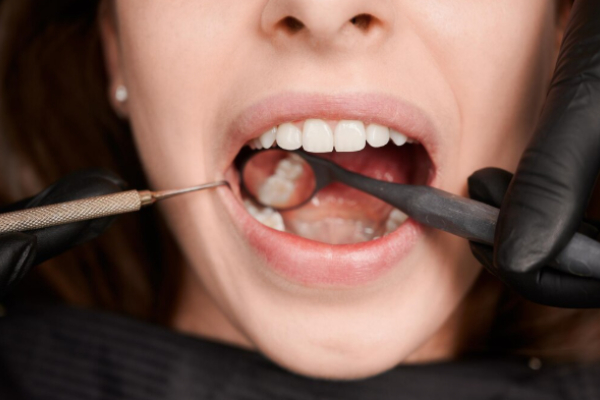
Yes, some bleeding or oozing is normal after wisdom tooth extraction. The extraction leaves a socket in the gum and jawbone, so the body naturally forms a blood clot at the site to start the healing process.
Most bleeding should settle fairly quickly after the procedure. According to NHS guidance, blood-stained saliva can remain for a day or two, while other hospital guidance notes that most significant bleeding stops within about 30 minutes after the operation.
It is important to tell the difference between mild oozing and active bleeding. Saliva that looks slightly pink or red does not necessarily mean that something is wrong. On the other hand, blood that keeps filling your mouth or continues flowing despite pressure needs more attention.
Understanding what causes wisdom tooth bleeding after extraction can help you decide whether the bleeding is part of normal healing or something that needs further attention.
What Causes Wisdom Tooth Bleeding After Extraction?
One of the most common reasons for wisdom tooth bleeding after extraction is simply that the extraction wound is still fresh. The tissues around the tooth need time to seal, and the blood clot has to remain undisturbed. The tissues around the tooth need time to seal, and the blood clot has to remain undisturbed.
Bleeding can start again if the clot is disturbed. Some common causes include:
- Spitting repeatedly after the extraction
- Rinsing the mouth too vigorously
- Touching the socket with your finger or tongue
- Drinking very hot drinks
- Smoking
- Strenuous exercise too soon after surgery
- Eating hard or crunchy foods
- Certain medicines that can increase bleeding risk
The position and difficulty of the wisdom tooth removal also matter. A simple extraction of an erupted tooth is different from surgical removal of an impacted wisdom tooth, where the gum may be opened and stitches may be needed.
What Should You Do If Your Wisdom Tooth Starts Bleeding?
If bleeding starts again at home, try not to panic. The first thing is to apply steady pressure directly over the extraction area.
Follow these steps:
- Sit upright and stay calm. Avoid lying completely flat, as this can make the blood collect in your mouth.
- Place clean gauze over the socket. A clean, rolled piece of gauze or cloth can be used if gauze is not available.
- Bite down firmly. Keep steady pressure on the area for around 20 minutes without repeatedly removing the gauze to check.
- Replace the gauze if needed. If the first attempt does not stop the bleeding, apply fresh gauze and repeat the pressure.
- Contact your dentist if bleeding continues. Persistent or heavy bleeding should be professionally assessed.
The key is continuous pressure. Checking the socket every few minutes can disturb the clot before it has had enough time to stabilise.
When wisdom tooth bleeding after extraction happens again after you return home, the first step is usually to protect the blood clot and apply firm, continuous pressure to the extraction site.
What Should You Avoid After Wisdom Tooth Extraction?
The first day is particularly important because the blood clot is still fragile. Even if the extraction site feels fine, it does not mean the wound has finished healing.
For the first 24 hours, try to avoid:
- Smoking or vaping
- Alcohol
- Very hot food and drinks
- Strenuous exercise
- Vigorous mouth rinsing
- Spitting repeatedly
- Hard, sharp, or crunchy foods
- Using a straw
Avoiding activities that disturb the extraction site is especially important when dealing with wisdom tooth bleeding after extraction, as the blood clot needs time to become stable.
For more practical advice about eating, sleeping, cleaning your mouth, and managing swelling, you can also read our guide to wisdom tooth recovery tips.
Wisdom Tooth Bleeding vs Dry Socket
Bleeding and dry socket are not the same thing. Dry socket happens when the protective blood clot does not form properly or becomes dislodged before the socket has healed.
| Situation | What you may notice | What to do |
|---|---|---|
| Normal bleeding | Mild oozing or blood-stained saliva | Apply gentle pressure and follow aftercare instructions |
| Bleeding that restarts | Fresh blood after eating, rinsing, or activity | Stop the activity and apply firm pressure |
| Dry socket | Increasing pain a few days after extraction, often with bad taste or bad breath | Contact your dentist |
| Possible infection | Increasing swelling, fever, pus, or feeling unwell | Seek dental assessment promptly |
| Heavy persistent bleeding | Blood continues flowing or repeatedly fills the mouth | Contact your dentist or seek urgent care |
Dry socket is more commonly associated with pain than continued bleeding. Research has reported dry socket rates of around 1% to 5% for routine extractions, with higher rates reported after some surgical third-molar extractions. The exact risk varies according to the procedure and patient factors.
How Long Does Bleeding Last After Wisdom Tooth Removal?
A small amount of oozing can continue for several hours after extraction, and blood-stained saliva may sometimes be noticed for a day or two. This does not necessarily mean the extraction has failed to heal.

The general recovery is more gradual. Swelling and discomfort can become more noticeable during the first few days before improving. The gum itself may take several weeks to fully heal, especially after a more complicated surgical extraction.
Ivory Dental’s wisdom tooth treatment guidance similarly explains that mild bleeding and swelling can occur during the first one to two days, while deeper gum healing continues for longer.
The important thing is the direction of the symptoms. Bleeding should generally become lighter rather than progressively heavier.
If you notice wisdom tooth bleeding after extraction the following day, look at the amount rather than the colour alone. Slightly pink saliva or a small amount of oozing can happen during recovery, while continuous fresh bleeding is more concerning.
What Can Make Wisdom Tooth Bleeding After Extraction Worse?
Certain activities can make wisdom tooth bleeding after extraction last longer or cause bleeding to start again after it has already settled. The most common issue is disturbing the blood clot before the extraction site has had enough time to heal.
Things that may make bleeding worse include:
- Rinsing or spitting forcefully
- Touching the extraction site with your tongue or fingers
- Smoking or vaping
- Drinking very hot beverages
- Eating hard or crunchy foods
- Exercising heavily soon after the extraction
- Using a straw, which creates suction inside the mouth
If wisdom tooth bleeding after extraction becomes heavier after one of these activities, stop the activity and apply firm pressure with clean gauze. Give the area time to settle before eating, drinking, or rinsing again.
For patients who have recently had a wisdom tooth removed, following the recommended aftercare is just as important as the extraction itself. Protecting the blood clot gives the gum a better chance to heal without unnecessary irritation or bleeding.
When Should You Contact a Dentist?
Not every trace of blood requires an emergency visit. However, you should contact your dentist if the bleeding is heavy, keeps returning, or does not settle after applying firm pressure.
You should also seek professional advice if bleeding happens together with:
- Severe or worsening pain
- Increasing facial or gum swelling
- Fever
- Pus or unusual discharge
- Persistent bad taste or bad breath
- Difficulty swallowing or breathing
- Feeling weak, faint, or unwell
Persistent wisdom tooth bleeding after extraction is different from a small amount of blood-stained saliva. If the bleeding remains heavy despite applying pressure, professional dental care is recommended.
How Can You Protect the Blood Clot?
The blood clot is one of the most important parts of early healing. Protecting it is therefore a major part of preventing unnecessary bleeding and reducing the risk of dry socket.
During the first few days:
- Eat soft foods that do not require much chewing.
- Drink water and stay hydrated.
- Brush the other teeth carefully.
- Keep the extraction area as undisturbed as possible.
- Follow any medication instructions given by your dentist.
- Avoid smoking and strenuous activity.
- Follow the specific aftercare instructions provided after your procedure.
Ivory Dental provides wisdom tooth extraction and surgical removal for problematic or impacted wisdom teeth at its Yishun and Tampines clinics. The treatment may involve a simple extraction or a surgical procedure depending on the position of the tooth, with dental X-rays used to assess the tooth and surrounding structures.
If you are looking for more information about the procedure itself, you can learn more about wisdom tooth removal and surgery and the treatment options available.
Although some wisdom tooth bleeding after extraction can be expected, every person’s recovery is slightly different. If you are unsure whether your symptoms are normal, it is better to have the extraction site checked rather than ignoring persistent bleeding.
Conclusion: Take Persistent Wisdom Tooth Bleeding Seriously
Some bleeding after wisdom tooth extraction is expected, particularly during the first few hours. The blood clot needs to remain in place, so avoiding smoking, vigorous rinsing, hot drinks, hard foods, and unnecessary touching of the extraction site can help support normal healing.
However, wisdom tooth bleeding after extraction should not be ignored when it is heavy, persistent, or accompanied by other concerning symptoms. If you are unsure whether your bleeding is part of normal recovery, a dental assessment can help determine what is happening and whether further treatment is needed.
If you need professional advice about wisdom tooth extraction, bleeding, or recovery, Ivory Dental provides wisdom tooth assessment and treatment at its Yishun and Tampines clinics. Visit Ivory Dental to learn more about the available dental services or arrange a consultation.
Knowing what is normal can make wisdom tooth bleeding after extraction less worrying. In most cases, light oozing improves with pressure and proper aftercare, but persistent bleeding should be assessed by a dental professional.
Frequently Asked Questions
Is it normal for a wisdom tooth extraction to bleed the next day?
A small amount of blood-stained saliva or mild oozing can still occur the next day. However, active bleeding that is heavy or does not settle with pressure should be checked by a dentist.
How do I stop wisdom tooth bleeding after extraction?
Place clean gauze over the extraction socket and bite down with firm, continuous pressure for around 20 minutes. Avoid repeatedly removing the gauze to check the area. If bleeding continues, contact your dentist.
Can I sleep if my wisdom tooth is still bleeding?
If there is only mild oozing, follow the aftercare instructions given by your dentist and rest with your head slightly elevated. If there is active or heavy bleeding that has not stopped with firm pressure, seek dental advice before going to sleep.
Does bleeding mean I have dry socket?
Not usually. Dry socket is mainly associated with increasing pain several days after extraction, sometimes accompanied by bad breath or a bad taste. Bleeding by itself does not mean that you have dry socket.
When is wisdom tooth bleeding an emergency?
Heavy bleeding that does not stop after applying firm pressure requires urgent professional assessment. Seek immediate help if significant bleeding is accompanied by difficulty breathing, difficulty swallowing, faintness, or severe swelling.