Blk 471B Yishun Street 42, #01-02, Singapore 762471

The dental implants procedure in Singapore is a treatment used to replace missing teeth with artificial tooth roots that support a dental crown, bridge, or denture. The implant is usually made from titanium and placed into the jawbone, where it gradually integrates with the surrounding bone. Although the surgical placement itself may take only part of a day, the complete dental implants procedure in Singapore involves several stages over a few months.
For someone who has lost a tooth through decay, gum disease, or an accident, dental implants can provide a fixed alternative to removable dentures. Understanding how the procedure works, what happens during recovery, and whether you are a suitable candidate can make the decision easier.
What Happens During a Dental Implants Procedure in Singapore?
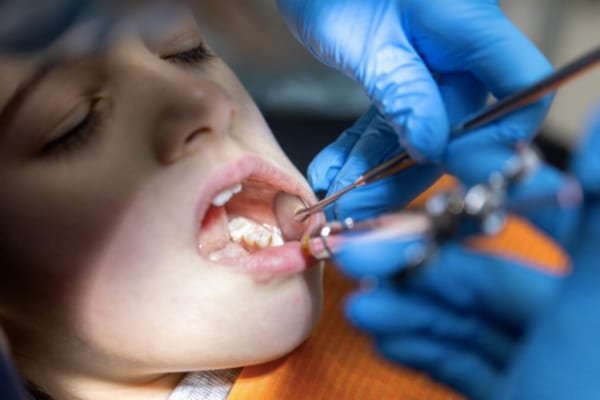
A dental implant procedure involves three main stages: treatment planning, surgical placement, and restoration of the missing tooth. Each stage has a different purpose, and the dentist will decide how much time is needed based on the patient’s oral health and jawbone condition.
Patients considering this treatment can learn more about the available dental implant services in Singapore at Ivory Dental. The treatment plan is determined by the patient’s oral health, jawbone condition, and the number of missing teeth that need to be replaced.
At Ivory Dental, dental implants are part of the restorative and surgical dental treatments available to patients who want to restore missing teeth and improve chewing function.
1. Initial Consultation and Dental Assessment
Before starting the dental implants procedure in Singapore, the dentist needs to examine the condition of your mouth. This includes checking your gums, remaining teeth, jawbone, and overall oral health to determine whether implant placement is suitable.
Dental X-rays or a cone beam computed tomography (CBCT) scan may be used to examine the available bone and identify important anatomical structures. These images help the dentist determine the appropriate implant position and whether additional procedures are necessary.
During the consultation, the dentist may also discuss:
- Your medical history and current medications.
- Previous dental treatments and existing oral conditions.
- The number of missing teeth that need replacement.
- Whether bone grafting or gum treatment is required.
- Expected treatment duration and costs.
Planning is an important part of the dental implants procedure in Singapore because every patient has different dental needs. Someone replacing a single missing tooth may require a different treatment approach from a patient who has lost several teeth. The dentist will use the examination results and dental scans to determine the most suitable implant position and treatment plan.
2. Preparing the Jawbone and Placing the Implant
Once the treatment plan is confirmed, the dental implants procedure in Singapore moves to the surgical stage, where the implant fixture is placed into the jawbone. This is generally performed under local anaesthesia, which numbs the treatment area.
The dentist makes a small opening in the gum to access the jawbone. A carefully prepared space is then created, and the titanium implant is inserted into the planned position. The gum may be stitched around the implant, depending on the surgical technique used.
Not everyone has enough bone to support an implant immediately. If the jawbone has become thinner after tooth loss, bone grafting may be recommended to provide additional support.
After placement, the implant needs time to integrate with the surrounding bone. This biological process is known as osseointegration, and it is important for creating a stable foundation for the replacement tooth.
During the dental implants procedure in Singapore, the dentist carefully positions the implant to provide a stable foundation for the replacement tooth. Its placement must consider the available jawbone, surrounding teeth, and nearby anatomical structures. Proper positioning also helps ensure that the final crown fits comfortably when the patient bites and chews.
3. Healing and Osseointegration
After implant placement, the dental implants procedure in Singapore continues with a healing period known as osseointegration. During this stage, the jawbone gradually grows around the titanium implant, helping it become stable enough to support the replacement tooth.
This healing period commonly takes several months, although the exact duration depends on bone quality, implant location, and whether additional procedures were performed.
Some patients may receive a temporary restoration during this period, depending on their clinical condition. The dentist will monitor healing before moving to the next stage.
4. Attaching the Abutment and Dental Crown
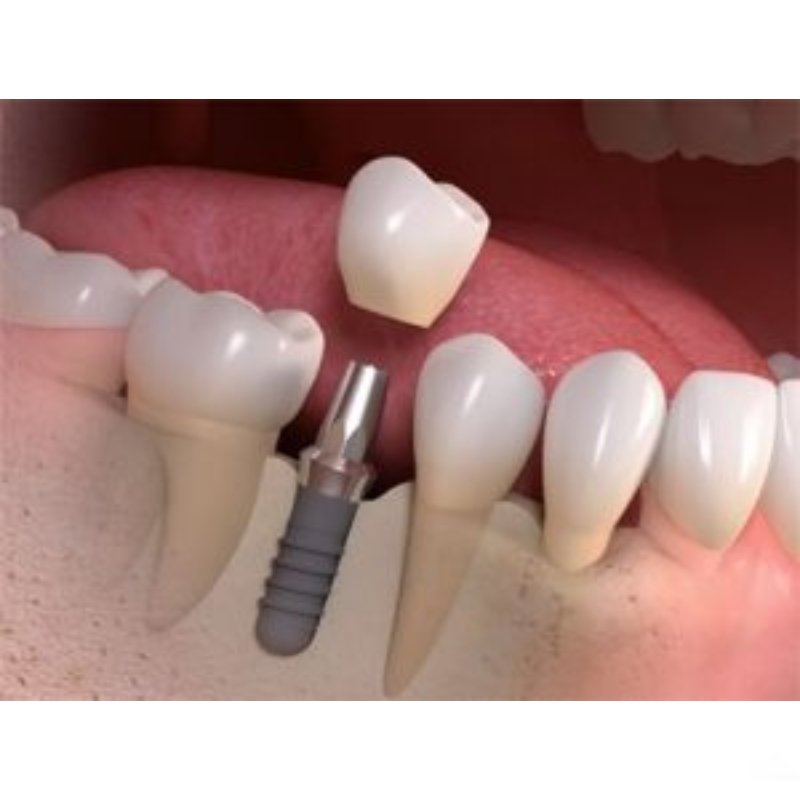
The final stage of the dental implants procedure in Singapore begins once the implant has integrated sufficiently with the jawbone. An abutment is attached to the implant fixture, creating a connection between the artificial tooth root and the replacement crown.
An abutment is attached to the implant fixture. It acts as a connector between the implant and the replacement tooth. The dentist then takes an impression or digital scan to create a custom-made crown.
The final crown is designed to match the surrounding teeth in shape, size, and appearance. Once fitted, the dentist checks the bite and makes any necessary adjustments to ensure the restoration feels comfortable.
How Long Does the Dental Implant Procedure Take?
The time required for a dental implants procedure in Singapore depends on the complexity of each case. A straightforward implant placement may take around one to two hours, while the complete treatment can take several months because the jawbone needs time to heal.
According to SingHealth, the overall dental implant treatment process can take approximately four months to one year, depending on individual circumstances and whether procedures such as bone grafting are required.
| Treatment stage | Estimated timeframe |
|---|---|
| Consultation and assessment | One or more appointments |
| Implant placement | Usually a few hours or less |
| Initial gum healing | Around 1–2 weeks |
| Osseointegration | Approximately 3–6 months |
| Crown fabrication and placement | After sufficient healing |
These are general estimates rather than fixed deadlines. Some patients may require additional treatment before implant placement, which can extend the overall timeline.
Dental Implants vs Dental Bridges vs Dentures: What Is the Difference?
When considering a dental implants procedure in Singapore, it is worth comparing implants with other tooth replacement options. Dental bridges and dentures are also commonly used, but each treatment has different requirements, advantages, and limitations.
| Feature | Dental Implants | Dental Bridges | Dentures |
|---|---|---|---|
| Support | Jawbone | Adjacent teeth | Gums and oral tissues |
| Removable | No, usually fixed | No | Yes, depending on type |
| Bone involvement | Requires sufficient bone | No implant surgery | No implant surgery |
| Treatment process | Usually several months | Often completed sooner | Depends on design |
| Maintenance | Daily cleaning and dental reviews | Cleaning around and beneath the bridge | Daily removal and cleaning |
An implant may be suitable for someone who wants a fixed replacement without relying on neighbouring teeth for support. However, a bridge or denture may be more appropriate depending on bone condition, budget, and general health.
There is no single option that works best for everyone. A dental examination is needed before deciding which treatment to choose.
How Successful Are Dental Implants?
Dental implants have a good long-term survival record, although their success depends on proper planning, placement, healing, and maintenance.
Several factors can influence the outcome:
- Bone quality: Sufficient jawbone support helps stabilise the implant.
- Gum health: Existing periodontal disease may increase the risk of complications.
- Smoking: Smoking can interfere with healing and increase the risk of implant failure.
- Oral hygiene: Plaque accumulation can cause inflammation around the implant.
- General health: Certain medical conditions and medications may affect bone healing.
Regular dental visits remain important even after the final crown has been fitted.
What Is Recovery Like After Dental Implant Surgery?
Recovery usually begins immediately after implant placement. Mild swelling, tenderness, bruising, or minor bleeding may occur during the first few days. These symptoms should generally become less noticeable as the tissues heal.
Recovery is another important consideration when planning a dental implants procedure in Singapore. Patients should understand that the gum tissue may heal before the implant has fully integrated with the jawbone. Following the dentist’s aftercare instructions and attending follow-up appointments can help monitor this process.
Consider someone replacing a single missing molar. During the first few days, chewing on that side may feel uncomfortable, so choosing porridge, yoghurt, eggs, or other soft foods can make eating easier. As the gum heals, normal activities can gradually resume according to the dentist’s instructions.
Some useful recovery practices include:
- Follow the medication and oral hygiene instructions provided by your dentist.
- Avoid hard or crunchy foods that may disturb the surgical area.
- Do not touch or press the implant site unnecessarily.
- Avoid smoking during recovery.
- Attend scheduled follow-up appointments.
Recovery is another important consideration when planning a dental implants procedure in Singapore. Patients should understand that the gum tissue may heal before the implant has fully integrated with the jawbone. Following the dentist’s aftercare instructions and attending follow-up appointments can help monitor this process.
For more detailed guidance, read our article on dental implant recovery, which explains the healing process and aftercare practices in greater detail.
Who Is a Suitable Candidate for Dental Implants?
Dental implants may be considered by adults who have lost one or more teeth and have sufficient jawbone support. However, suitability depends on more than simply having a missing tooth.
A dentist will usually consider the following:
- Whether the jawbone has enough volume to support an implant.
- Whether the gums are healthy.
- Whether the patient has good oral hygiene habits.
- Whether existing medical conditions could affect healing.
- Whether the patient can attend follow-up appointments.
Patients with insufficient bone may still be candidates if bone grafting is possible. Those with uncontrolled medical conditions or active gum disease may need treatment before implant surgery.
The final decision should always be based on an individual dental assessment.
Conclusion: Explore Dental Implant Treatment at Ivory Dental
The dental implants procedure in Singapore involves several stages, from the initial assessment and implant placement to healing and final crown restoration. Although the treatment can take several months, careful planning and proper aftercare help provide a stable replacement for missing teeth and restore everyday chewing function.
Choosing the right dental implants procedure in Singapore starts with understanding your oral health and the treatment options available. A consultation with Ivory Dental can help determine whether dental implants are suitable and what steps may be needed before treatment begins.
If you are considering replacing a missing tooth, visit Ivory Dental to learn more about its dental implant services and arrange a consultation. A dental professional can assess your oral health, explain the available options, and help you understand what the treatment may involve for your situation.
Frequently Asked Questions
Is the dental implant procedure painful?
The procedure is generally performed under local anaesthesia, so the treatment area is numb during surgery. Some soreness, swelling, or tenderness may occur afterward as the anaesthetic wears off.
How many visits are needed for dental implants?
The number of visits varies depending on the patient’s condition. Treatment generally involves an initial consultation, implant placement, follow-up assessments, and a final appointment to fit the crown.
Can I get a dental implant immediately after tooth extraction?
In selected cases, an implant can be placed during the same appointment as tooth extraction. However, this depends on the condition of the surrounding bone, the presence of infection, and the stability that can be achieved during placement.
How much does a dental implant cost in Singapore?
The cost varies depending on the implant system, number of missing teeth, complexity of surgery, and whether additional procedures such as bone grafting are required. A dental consultation is necessary to obtain an individual treatment estimate.
How long do dental implants last?
Dental implants can last many years, and research has reported high survival rates over a 10-year period. However, their lifespan depends on oral hygiene, gum health, general health, and regular professional maintenance.
Can I eat normally after getting a dental implant?
You may need to eat soft foods during the initial recovery period. Hard, crunchy, and chewy foods should be avoided around the surgical site until your dentist confirms that it is safe to return to your usual diet.