Blk 471B Yishun Street 42, #01-02, Singapore 762471

Dental implant recovery is the healing process that begins after an implant is placed in the jawbone and continues as the surrounding gum and bone tissues recover. Initial swelling and discomfort often improve within several days, but the implant may need several months to integrate fully with the jawbone before the final crown can be fitted. Knowing what to expect at each stage can help you care for the surgical site and recognise when something needs professional attention.
The dental implant recovery timeline varies depending on the patient’s oral health, bone quality, and whether additional procedures, such as bone grafting, are required. Following your dentist’s instructions is essential throughout dental implant recovery because the implant needs time to heal beneath the gum, even when the surgical site looks comfortable from the outside.
What Is the Typical Dental Implant Recovery Timeline?
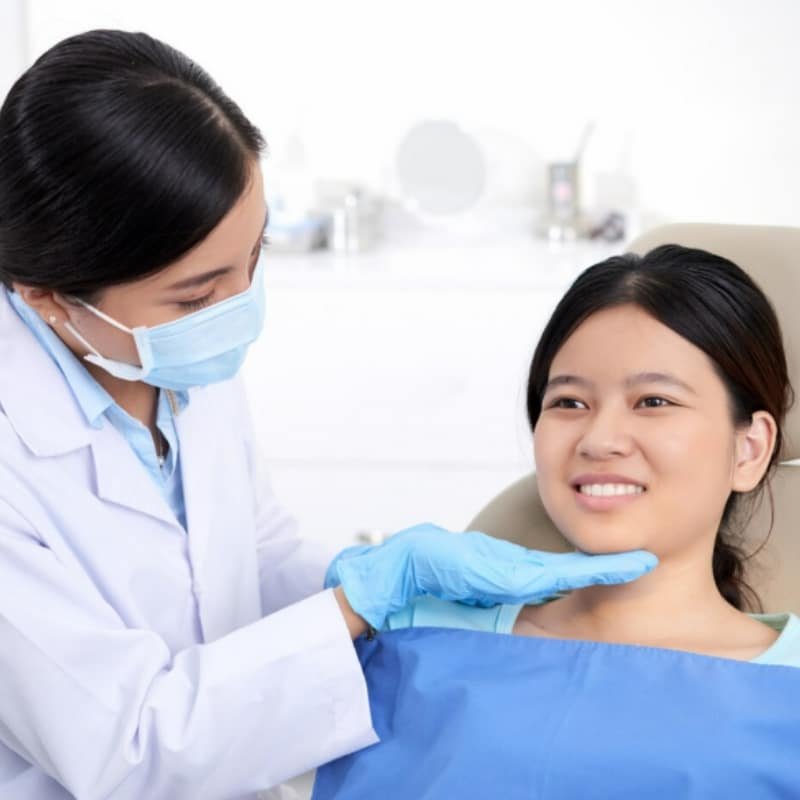
Dental implant recovery happens in stages. The gums may begin to settle within days, while osseointegration—the process in which the implant bonds with the jawbone—takes longer.
| Recovery stage | What you may experience | What to focus on |
|---|---|---|
| First 24 hours | Mild bleeding, tenderness, and the start of swelling | Rest and follow post-operative instructions |
| Days 2–3 | Swelling or bruising may become more noticeable | Eat soft foods and avoid strenuous activity |
| Days 4–7 | Discomfort and swelling should generally begin to improve | Maintain gentle oral hygiene |
| Following weeks | Gum tissue continues to heal | Attend follow-up appointments and protect the implant site |
| Around 3–6 months | The implant may complete integration with the jawbone | Follow your dentist’s assessment before the final restoration |
Ivory Dental notes that crown or bridge placement generally follows a healing period of approximately three to six months, depending on the case. This is a guide rather than a fixed deadline; your dentist will determine when the implant is ready for the next stage of treatment.
What Should You Expect During the First Week?
The first week of dental implant recovery is mainly about managing discomfort, protecting the surgical site, and allowing the initial healing process to begin.
The First 24 Hours
Some mild bleeding, swelling, and soreness can occur after implant surgery. Follow your dentist’s instructions about gauze, prescribed medication, eating, and cleaning the mouth. Avoid disturbing the wound, vigorous rinsing, or spitting during the initial period if your dentist has advised against these actions.
Rest after the procedure and avoid strenuous exercise. If bleeding is heavy or does not settle with the measures your dentist recommended, contact the clinic for advice.
Days 2–3
Swelling and bruising can become more noticeable during the first few days before gradually settling. This does not automatically mean the implant is failing, but the symptoms should generally begin improving rather than becoming progressively worse.
Continue eating soft foods, drink enough fluids, and use a cold compress if recommended by your dental team. Take medication only as directed by your dentist or healthcare professional.
Days 4–7
Many patients begin to feel more comfortable during this stage, although tenderness may persist. Continue cleaning your teeth gently and avoid putting unnecessary pressure on the implant area. Do not assume the implant has fully healed just because the pain has reduced.
What Foods Can You Eat During Dental Implant Recovery?
Soft, easy-to-chew foods can help you maintain nutrition without placing unnecessary pressure on the healing site. Choose foods according to your comfort and the instructions provided by your dentist.
Options that may be suitable include:
- Scrambled eggs and soft tofu
- Yoghurt and smooth porridge
- Mashed potatoes and well-cooked vegetables
- Lukewarm soups that do not contain hard pieces
- Soft fish and other tender foods that require little chewing
During early dental implant recovery, avoid hard, crunchy, sticky, or chewy foods that may irritate the surgical site. Very hot foods and drinks may also be unsuitable immediately after surgery. As healing progresses, your dentist can advise when to return to your usual diet.
Try to chew away from the implant site when advised, particularly during the initial healing period. If you have received multiple implants or a bone graft, your dietary restrictions may be different.
How Can You Care for Your Dental Implant After Surgery?

Proper aftercare plays an important role in dental implant recovery because it helps protect the healing tissues and reduce the risk of complications. The precise instructions depend on the procedure, so your dentist’s recommendations should take priority over general online advice.
- Follow your medication instructions. Take prescribed medication as directed and check with your dentist before adding other medicines.
- Keep your mouth clean. Resume brushing as instructed, using a gentle technique around the surgical area. Your dentist may recommend a specific mouth rinse.
- Avoid smoking. Smoking can interfere with healing and may increase the risk of complications.
- Limit strenuous activity initially. Heavy lifting and intense exercise may worsen bleeding or discomfort soon after surgery.
- Attend follow-up appointments. Your dentist can check the gum tissue, monitor healing, and decide when it is appropriate to proceed with the final crown or bridge.
For patients who want to understand the treatment itself, Ivory Dental explains the procedure, implant components, and follow-up process on its dental implant treatment page. The clinic can assess individual needs and explain which recovery instructions apply to the planned procedure.
What Is Normal During Healing, and What Are the Warning Signs?
Mild discomfort and swelling can be part of normal dental implant recovery, especially during the first few days. Symptoms that become more severe, return after improving, or are accompanied by signs of infection need professional assessment.
| Usually expected during early healing | Needs dental assessment |
|---|---|
| Mild soreness that gradually improves | Severe or worsening pain |
| Some swelling or bruising that begins to settle | Increasing swelling or spreading redness |
| Minor bleeding shortly after surgery | Heavy or persistent bleeding |
| Temporary tenderness when eating | Pus, persistent bad taste, or increasing gum inflammation |
| Gradual improvement in comfort | Implant movement or a sudden change in bite |
If you experience persistent pain, swollen or bleeding gums, pus, or movement around the implant, read more about dental implant failure symptoms and contact your dentist for an individual assessment. These signs do not automatically mean the implant has failed, but they should not be ignored.
Seek urgent care for significant swelling, fever accompanied by worsening pain, or signs of spreading infection. Difficulty breathing or swallowing requires emergency medical attention.
How Long Until You Can Return to Normal Activities?
Many people can resume light daily activities within a short time, depending on the complexity of the procedure and how they feel. However, returning to work or exercise is not the same as completing dental implant recovery.
A person who receives a straightforward implant may feel comfortable sooner than someone who also needs bone grafting or several implants placed. Follow the recovery plan provided by your dentist, and avoid strenuous activity if it causes throbbing or bleeding.
What Factors Can Affect Dental Implant Recovery?
Dental implant recovery can vary from one patient to another because healing depends on oral health, the complexity of the procedure, and the body’s ability to repair tissue. Understanding these factors can help patients prepare for recovery and follow the right aftercare routine.
Several factors may influence dental implant recovery:
- Bone quality and density: The implant needs sufficient supporting bone to achieve stability and integrate properly.
- Gum health: Existing gum disease or inflammation may affect the tissues surrounding the implant and require treatment.
- Smoking: Tobacco use can interfere with healing and increase the risk of complications.
- Additional procedures: Patients who need bone grafting or multiple implants may require a different recovery timeline.
- Oral hygiene: Keeping the mouth clean according to the dentist’s instructions helps reduce plaque buildup and supports healthy gum tissue.
- General health: Certain medical conditions and medications may affect healing, so patients should discuss their medical history with their dentist before treatment.
Although these factors can influence dental implant recovery, the healing process is different for every patient. Attend follow-up appointments and contact your dentist if pain or swelling worsens instead of improving. Your dentist can assess the implant and advise when it is appropriate to resume normal activities or proceed with the final restoration.
A Practical Example: What Recovery May Look Like
Imagine a patient who receives a single dental implant and experiences mild swelling and tenderness during the first few days. They eat soft foods, follow the prescribed care instructions, and gradually feel more comfortable during the first week.
Even though the patient feels better, the implant still needs time to integrate with the jawbone. The dentist checks the healing progress at follow-up appointments and determines when the final crown can be fitted. This illustrates why feeling comfortable is an encouraging sign, but not proof that the entire recovery process is complete.
Conclusion: Support Your Dental Implant Recovery With Proper Care
Dental implant recovery involves more than waiting for soreness to disappear. Protecting the surgical site, eating suitable foods, maintaining oral hygiene, avoiding smoking, and attending follow-up appointments all contribute to a healthier recovery. Although initial discomfort may settle within days, complete dental implant recovery can take several months while the implant integrates with the jawbone.
Ivory Dental provides dental care in Yishun and Tampines, Singapore, including dental implant treatment and follow-up care. Visit Ivory Dental to learn more about your options and arrange a consultation to discuss your dental needs.
FAQs (Frequently Asked Questions)
How many days does dental implant recovery take?
Initial discomfort and swelling often improve over several days, although some tenderness may last longer. Complete healing takes more time because the implant must integrate with the jawbone, which may take several months.
Is pain normal after dental implant surgery?
Mild soreness is common after surgery and should generally improve over time. Severe, worsening, or returning pain should be assessed by a dentist, particularly if it occurs with swelling, fever, or pus.
When can I eat normally after getting a dental implant?
You may need to eat soft foods during the initial recovery period and gradually return to firmer foods as advised by your dentist. The timeline depends on the procedure and whether additional treatment, such as bone grafting, was performed.
How long does it take for a dental implant to fuse with the bone?
Osseointegration commonly takes several months. Ivory Dental indicates that crown or bridge placement may follow a healing period of approximately three to six months, but the appropriate timing depends on individual healing and clinical assessment.
How can I tell if my dental implant is not healing properly?
Persistent or worsening pain, increasing swelling, pus, ongoing gum inflammation, or implant movement can indicate a complication. Contact your dentist if these symptoms develop instead of trying to diagnose the problem yourself.