Blk 471B Yishun Street 42, #01-02, Singapore 762471

The tooth bridge procedure is a dental treatment that replaces one or more missing teeth with an artificial tooth supported by neighbouring natural teeth or dental implants. The replacement tooth, known as a pontic, fills the gap and helps restore chewing function, speech, and the appearance of your smile. Treatment usually involves a dental examination, preparation of the supporting teeth, and fitting the custom-made bridge.
A dental bridge is fixed in place, unlike a removable denture. It can be a suitable option for people who want to replace missing teeth without leaving a gap, although the right treatment depends on the condition of the remaining teeth, gums, and jawbone.
When Do You Need a Dental Bridge?
A dental bridge may be recommended when one or more teeth are missing and the surrounding teeth or implants can provide suitable support. Replacing missing teeth can help restore normal chewing and reduce the risk of neighbouring teeth drifting into the empty space.
Your dentist may discuss a bridge if you:
- Have lost a tooth due to decay, injury, or extraction.
- Want a fixed alternative to removable dentures.
- Have neighbouring teeth that can support a bridge.
- Experience difficulty chewing because of a gap.
- Want to restore the appearance of your smile.
A bridge is not suitable for every patient. Your dentist will examine the supporting teeth, gum health, bite, and available space before recommending treatment. Other options, such as dental implants or dentures, may be considered depending on your circumstances.
What Are the Different Types of Dental Bridges?
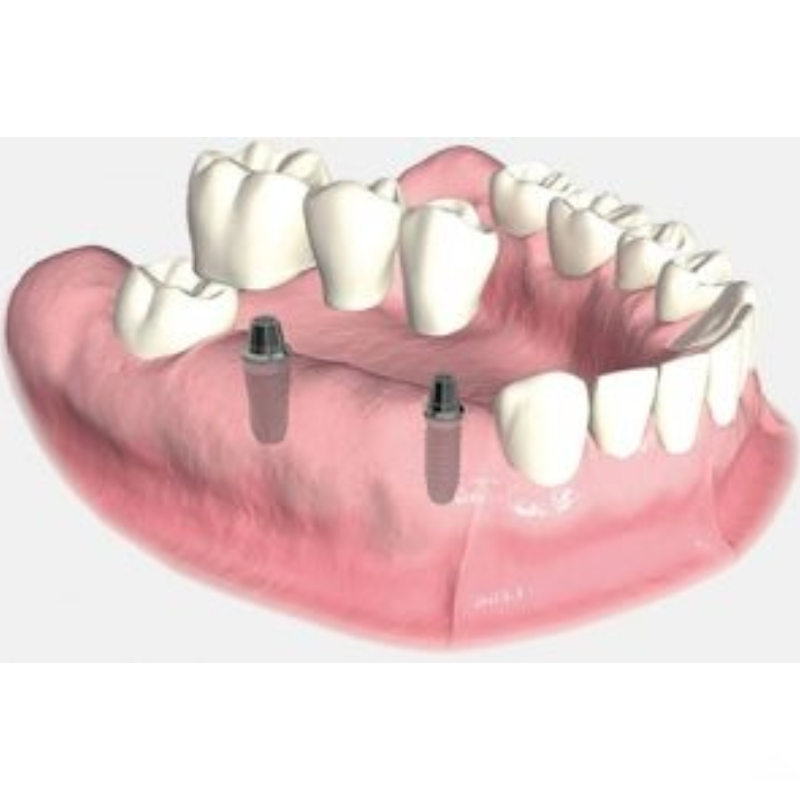
The type of bridge used depends on the location of the missing tooth, the condition of adjacent teeth, and how much support the restoration needs.
1. Conventional Dental Bridge
A conventional bridge usually consists of an artificial tooth connected to crowns placed over the neighbouring supporting teeth. The dentist reshapes those teeth to make room for the crowns, which hold the bridge securely in place.
This design can be suitable when the supporting teeth are strong enough to carry the additional load. However, preparing natural teeth involves removing some tooth structure.
2. Resin-Bonded Bridge
A resin-bonded bridge uses small wings attached to the back of neighbouring teeth to support the replacement tooth. It generally requires less alteration of the supporting teeth than a conventional bridge.
This option may be considered for selected cases, particularly when the biting forces on the replacement tooth are manageable. Suitability depends on the position of the missing tooth and the condition of the supporting teeth.
3. Implant-Supported Bridge
An implant-supported bridge is attached to dental implants rather than relying entirely on natural teeth. It may be considered when several teeth are missing and the patient has suitable bone and oral health.
Implant-supported treatment involves surgery and a different healing process from a conventional tooth bridge procedure. Your dentist can explain the advantages, limitations, treatment time, and costs of each option.
Choosing the right treatment depends on the number of missing teeth, the health of the surrounding teeth, and the condition of the gums. During a consultation, the dentist will explain how the tooth bridge procedure works for your specific case and whether a conventional, resin-bonded, or implant-supported bridge is suitable.
What Happens During the Tooth Bridge Procedure?
The tooth bridge procedure commonly involves at least two appointments, although the exact number depends on the bridge design and the complexity of treatment. At Ivory Dental, the process includes examining and preparing the supporting teeth, taking impressions, and fitting the permanent restoration once it is ready.
Before starting the tooth bridge procedure, your dentist will assess your bite and check the supporting teeth for decay or gum problems. Addressing these issues first can help the bridge fit properly and support better long-term oral health.
First Appointment: Examination and Tooth Preparation
The first visit focuses on assessing your teeth and preparing the area for the bridge.
- Dental examination and X-rays: Your dentist checks the missing tooth space, neighbouring teeth, gums, and jawbone. X-rays may be taken to identify decay or other problems that need attention before treatment.
- Local anaesthesia: If the supporting teeth need reshaping, local anaesthesia is used to help keep the procedure comfortable.
- Tooth preparation: For a conventional bridge, the dentist carefully reshapes the supporting teeth so the crowns can fit over them.
- Dental impressions or digital scans: Measurements are taken to help create a bridge that fits your teeth and bite.
- Temporary bridge placement: A temporary restoration may be fitted to protect the prepared teeth while the permanent bridge is being made.
Ivory Dental states that fabrication of a permanent crown or bridge usually takes approximately three weeks, although the actual timeline can vary. Your dentist will arrange the next appointment based on when the restoration is ready.
Second Appointment: Fitting the Permanent Bridge
At the second appointment, the dentist checks the fit, bite, and appearance of the permanent bridge before securing it in place. The tooth bridge procedure may differ depending on the type of bridge selected and whether dental implants are required for support.
The dentist will assess the fit, appearance, and bite to ensure the bridge sits comfortably alongside the surrounding teeth. Adjustments may be made before the restoration is secured with dental cement.
Once the permanent bridge is ready, your dentist will check its fit, appearance, and bite before securing it in place. This stage of the tooth bridge procedure is important because the bridge should feel comfortable and allow you to chew without unnecessary pressure. Your dentist may make small adjustments to ensure the restoration fits properly.
What Is the Difference Between a Temporary and Permanent Bridge?
A temporary bridge protects the prepared teeth while the dental laboratory creates the final restoration. A permanent bridge is designed for longer-term use and is fitted after the dentist confirms that its fit and bite are appropriate.
| Feature | Temporary Bridge | Permanent Bridge |
|---|---|---|
| Main purpose | Protects prepared teeth during treatment | Replaces missing teeth for long-term function |
| Material | Usually a temporary restorative material | May use ceramic, zirconia, or metal-ceramic materials |
| Duration | Used while waiting for the final restoration | Designed to remain functional for years with proper care |
| Strength | Intended for short-term use | Designed to withstand normal chewing forces |
| Maintenance | Requires care to avoid loosening or damage | Requires daily cleaning and regular dental check-ups |
Follow your dentist’s instructions while wearing a temporary bridge. Avoid hard or sticky foods if advised, and contact the clinic if the temporary restoration becomes loose or breaks.
How Long Does a Dental Bridge Last?
Before starting the tooth bridge procedure, your dentist will assess your bite and check the supporting teeth for decay or gum problems. Addressing these issues first can help the bridge fit properly and support better long-term oral health.
The lifespan of a dental bridge depends on the materials used, oral hygiene habits, and the condition of the supporting teeth. Following the recommended aftercare is an important part of the tooth bridge procedure, as it helps protect the restoration and surrounding gums. Regular dental check-ups also allow your dentist to identify potential problems early and recommend maintenance when needed.
The condition of the supporting teeth is especially important because decay or gum disease can compromise a bridge even if the artificial tooth itself remains intact. You can learn more about the factors affecting the durability of crowns and bridges, including material choice, oral hygiene, and bite pressure.
How Should You Care for a Dental Bridge After Treatment?

Good aftercare helps protect the bridge and the natural teeth supporting it. Although an artificial tooth cannot develop decay like natural enamel, plaque can still accumulate around the restoration and contribute to gum disease or decay in the supporting teeth.
Follow these practical steps:
- Brush twice daily using fluoride toothpaste.
- Clean underneath the bridge with a floss threader, superfloss, or an interdental cleaning tool recommended by your dentist.
- Attend regular dental check-ups to monitor the bridge, gums, and supporting teeth.
- Avoid biting hard objects that could chip or damage the restoration.
- Contact your dentist if the bridge feels loose, uncomfortable, or different when you bite.
After the tooth bridge procedure, keeping the bridge and surrounding gums clean is essential. Brush twice daily with fluoride toothpaste, clean beneath the bridge using a floss threader or an appropriate interdental brush, and attend regular dental check-ups. Avoid biting down on very hard foods, especially if you are still adjusting to the new restoration.
If you are considering treatment, you can learn more about Ivory Dental’s dental crown and bridge services and discuss which option suits your dental needs.
A Practical Example: Replacing a Missing Molar
Imagine a patient who has lost a molar and finds it difficult to chew comfortably on one side. After examining the surrounding teeth, the dentist determines that a conventional bridge may be suitable.
During the first appointment, the supporting teeth are prepared and impressions are taken. A temporary bridge protects the area while the laboratory makes the permanent restoration. At the next appointment, the dentist checks the new bridge’s fit and bite before cementing it in place.
The patient can then follow the recommended cleaning routine and attend regular check-ups. This example illustrates the typical process, although the treatment plan and number of visits may differ from one patient to another.
Conclusion: Restore Your Smile With the Right Tooth Bridge Procedure
The tooth bridge procedure can restore the appearance and function of missing teeth through a custom-made fixed restoration. Treatment generally involves examining the supporting teeth, preparing the area when necessary, taking impressions, and fitting the permanent bridge. Proper cleaning and regular dental check-ups help protect the restoration over time.
Ivory Dental offers restorative dental care in Singapore, including crown and bridge treatment. Visit Ivory Dental to learn more about available services and arrange a consultation to discuss your tooth replacement options.
FAQs (Frequently Asked Questions)
Is the tooth bridge procedure painful?
Local anaesthesia is used when necessary to help keep tooth preparation comfortable. Some patients experience temporary sensitivity or gum soreness afterward. Contact your dentist if pain is severe, persistent, or worsening.
How many appointments are needed for a dental bridge?
A conventional dental bridge usually requires at least two appointments: one for examination, preparation, and impressions, and another for fitting the permanent bridge. More visits may be needed depending on the case.
Can I eat normally after getting a dental bridge?
Your dentist may recommend softer foods initially, particularly while you are wearing a temporary bridge. Once the permanent restoration is fitted, you can generally return to normal eating as advised, while avoiding habits that place excessive force on the bridge.
Is a dental bridge better than a dental implant?
Neither option is best for everyone. A conventional bridge relies on supporting teeth, while a dental implant is placed in the jawbone and supports a replacement tooth independently. Your dentist can compare both options based on your oral health, treatment preferences, and budget.
How do I know if my dental bridge needs attention?
A loose bridge, persistent pain, visible damage, bleeding gums, or a change in your bite should be assessed by a dentist. Early evaluation can help identify whether the problem involves the restoration, supporting teeth, or surrounding gum tissue.