Blk 471B Yishun Street 42, #01-02, Singapore 762471

Dental implant failure symptoms can include persistent pain, swollen or bleeding gums, pus around the implant, and an implant that feels loose. Although mild discomfort is normal during the first few days after implant surgery, symptoms that worsen or return after healing may indicate a complication. Recognising dental implant failure symptoms early can help protect the surrounding gums and jawbone and give a dentist the opportunity to assess the problem before it progresses.
Dental implants are designed to replace missing teeth by supporting an artificial tooth root in the jawbone. They can provide a stable, long-term solution, but their success depends on proper healing, healthy gum tissue, and regular maintenance. Understanding what is normal after treatment, and what is not, makes it easier to know when professional attention is needed.
7 Dental Implant Failure Symptoms to Look Out For
The most common dental implant failure symptoms involve changes in comfort, gum health, and implant stability. These symptoms may appear during the initial healing period or develop months to years after placement. Although one symptom alone does not necessarily mean an implant has failed, persistent or worsening dental implant failure symptoms should be assessed by a dentist.
1. Persistent or Increasing Pain
Mild soreness after implant placement is expected. The discomfort should generally improve as the surgical site heals, although the recovery period varies depending on the procedure.
Pain that becomes more severe, continues beyond the expected recovery period, or returns after a period of comfort may indicate infection, inflammation, excessive pressure, or a problem with the implant or its supporting structures.
2. Swollen, Red, or Bleeding Gums
Healthy gum tissue around an implant should not remain persistently inflamed. Redness, swelling, tenderness, or bleeding during brushing may indicate inflammation around the implant.
One possible cause is peri-implant mucositis, an inflammatory condition affecting the soft tissue around an implant. If left untreated, inflammation may progress to peri-implantitis, which can damage the bone supporting the implant.
3. Pus or an Unpleasant Taste in the Mouth
Pus around an implant, persistent bad breath, or a foul taste may indicate an infection. These symptoms are particularly concerning when accompanied by pain, swelling, or gum tenderness.
Do not attempt to drain the area yourself or rely on mouthwash to resolve the problem. Contact a dentist promptly for an assessment.
4. A Loose or Moving Implant
A dental implant should remain stable once it has integrated with the jawbone. If the implant itself moves, twists, or feels as though it is coming out, this may indicate a loss of stability or failure of osseointegration, the process through which the implant bonds with the surrounding bone.
However, movement of the artificial crown or a loose connecting screw can sometimes feel similar. A dentist needs to determine which component is affected. Avoid repeatedly testing the implant by pushing or twisting it.
5. Difficulty Chewing or Changes in Your Bite
An implant that suddenly feels uncomfortable when chewing, or a crown that seems to hit the opposing teeth too early, may have a mechanical or bite-related problem.
Possible causes include a loose component, damage to the crown, or changes in the surrounding tissues. These issues do not always mean the implant itself has failed, but they should be checked before further damage occurs.
6. Receding Gums or Visible Metal Around the Implant
If the gums around an implant begin to recede, more of the implant or its connecting components may become visible. Gum recession can affect appearance and may be associated with changes in the surrounding bone or soft tissue.
A dentist can assess whether the change is related to inflammation, tissue thickness, implant positioning, or another cause.
7. Persistent Swelling or Numbness
Swelling is common immediately after oral surgery and should gradually settle. Persistent or worsening swelling, especially when accompanied by fever, spreading redness, or severe pain, may indicate a complication.
New or persistent numbness around the lips, chin, or tongue also requires prompt professional assessment because nerve irritation or injury may be involved.
What Is Normal Healing, and What May Indicate Implant Failure?
Not every uncomfortable sensation means something has gone wrong. The timing, severity, and direction of change are important when distinguishing ordinary recovery from possible complications.
| Symptom | May Be Normal During Early Healing | More Concerning Signs |
|---|---|---|
| Pain | Mild soreness that gradually improves | Severe, worsening, or returning pain |
| Swelling | Mild swelling that settles over time | Increasing swelling or spreading redness |
| Gum bleeding | Minor bleeding shortly after surgery | Repeated or persistent bleeding around the implant |
| Chewing | Temporary tenderness near the surgical site | New bite changes or persistent pain when chewing |
| Implant stability | Implant remains stable | Movement of the implant itself |
| Gum appearance | Temporary changes around the surgical wound | Persistent inflammation, pus, or progressive recession |
This comparison is a general guide, not a way to diagnose implant failure at home. Your dentist can examine the implant and surrounding tissues to determine whether the symptoms reflect normal healing or a complication.
How Common Is Dental Implant Failure?
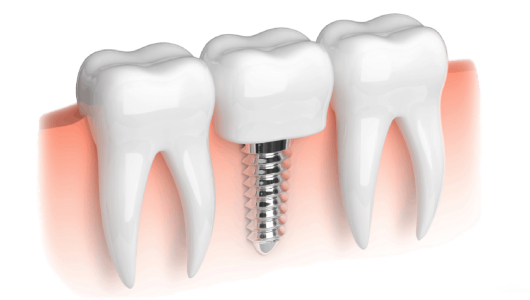
Dental implants generally have high long-term survival rates, but complications can still occur. While not every complication leads to implant loss, recognising dental implant failure symptoms early can help patients seek treatment before the problem becomes more serious.
Several factors can affect implant outcomes, including:
- Gum disease: Existing or recurring periodontal disease can increase the risk of inflammation and bone loss around an implant.
- Smoking: Smoking can interfere with healing and is associated with poorer implant outcomes.
- Oral hygiene: Plaque accumulation around the implant can contribute to gum inflammation and peri-implant disease.
- Medical conditions: Certain health conditions, including poorly controlled diabetes, may affect healing and infection risk.
- Mechanical stress: Teeth grinding, excessive bite forces, or problems with implant components may contribute to complications.
The choice of tooth replacement can also affect long-term care and maintenance. While dental implants are fixed in the jawbone, dentures are removable and may need adjustments over time as the shape of the gums changes. Understanding the differences between dental implants vs dentures can help patients compare both options and discuss which approach may suit their oral health needs with a dentist.
What Should You Do If You Notice Dental Implant Failure Symptoms?
If you notice dental implant failure symptoms, arrange a dental assessment rather than waiting for them to disappear. Persistent pain, gum inflammation, pus, or changes in implant stability may indicate a complication. Identifying the cause of these dental implant failure symptoms early can help your dentist determine the appropriate treatment.
- Contact your dentist. Explain when the symptoms started, whether they are getting worse, and whether the implant or crown feels loose.
- Keep the area clean. Brush gently and follow the cleaning instructions provided by your dentist. Avoid aggressive brushing around a painful surgical site.
- Avoid putting pressure on the implant. Do not chew hard foods on the affected side if doing so causes pain, and do not try to tighten or remove any components yourself.
- Attend the examination. Your dentist may check the gum tissue, implant stability, bite, and surrounding teeth. Dental X-rays may be needed to assess the supporting bone.
- Follow the recommended treatment plan. Depending on the findings, treatment may involve professional cleaning, management of inflammation, adjustment or repair of a component, or more extensive treatment if the implant has lost its stability.
A Practical Example
Imagine someone who has had a dental implant for several months and notices that the gum around it bleeds during brushing. At first, the bleeding seems minor, so they continue their usual routine. A few days later, the gum becomes swollen and there is an unpleasant taste near the implant.
These symptoms do not prove that the implant has failed. However, they may indicate inflammation or infection that needs assessment. An examination can help identify the cause and determine whether treatment can preserve the implant before the supporting tissues become more severely affected.
How Can You Reduce the Risk of Dental Implant Failure?
Good aftercare and routine maintenance help protect the tissues surrounding a dental implant.
- Brush twice daily with a soft-bristled toothbrush.
- Clean between the teeth and around the implant using suitable interdental brushes or other tools recommended by your dentist.
- Attend regular dental checkups and professional cleaning appointments.
- Avoid smoking and discuss any difficulty quitting with a healthcare professional.
- Follow post-surgical instructions, including dietary recommendations during healing.
- Seek treatment for gum disease and report changes in the implant or bite early.
Regular dental checkups are important because dental implant failure symptoms may develop gradually without causing significant pain at first. Monitoring the gums, surrounding bone, and implant stability can help a dentist identify potential complications early. Even if you do not notice any dental implant failure symptoms, ongoing maintenance remains essential for long-term oral health.
For people considering tooth replacement, it is also worth understanding the differences between treatment options. If you are considering an implant or are concerned about an existing one, learn more about the clinic’s dental implant treatment and discuss your circumstances with a dentist.
What Is the Difference Between Early and Late Dental Implant Failure?

Dental implant failure symptoms can appear at different stages, depending on the underlying cause. Early implant failure usually occurs during the healing period, while late implant failure develops after the implant has successfully integrated with the jawbone.
Early dental implant failure may occur when the implant does not bond properly with the jawbone. Potential warning signs include persistent pain, swelling that does not improve, and movement of the implant during the healing period. Smoking, infection, and certain health conditions may affect the healing process.
Late dental implant failure can develop months or years after placement. It may be associated with peri-implantitis, progressive bone loss, excessive bite pressure, or mechanical problems involving the implant components. Symptoms can include bleeding gums, persistent inflammation, discomfort when chewing, or a change in implant stability.
Recognising dental implant failure symptoms early is important in both situations. However, these signs do not automatically mean the implant has failed. A dentist can examine the implant, assess the surrounding tissues, and recommend appropriate treatment based on the cause.
Conclusion: Get Dental Implant Symptoms Checked Early
Recognising dental implant failure symptoms early can help prevent a manageable problem from becoming more serious. Persistent pain, inflamed or bleeding gums, pus, changes in your bite, and implant movement all warrant attention, although none of these signs alone confirms that an implant has failed.
Ivory Dental provides dental care in Yishun and Tampines, Singapore. If you have concerns about an existing implant or want advice about replacing a missing tooth, visit Ivory Dental to learn more about available treatments and arrange a dental consultation.
FAQs (Frequently Asked Questions)
Can a dental implant fail without pain?
Yes. Some dental implant failure symptoms, such as early gum inflammation or bone changes around an implant, may develop without obvious pain. Gum bleeding, swelling, or changes in the surrounding tissue can be early warning signs, which is why routine dental checkups are important even when the implant feels comfortable.
How do I know if my dental implant is infected?
Possible signs include red or swollen gums, persistent bleeding, pus, an unpleasant taste, and increasing pain. These symptoms can have different causes, so a dental examination is needed to confirm whether an infection is present.
Can a failed dental implant be saved?
Sometimes. If the problem is caused by inflammation or a repairable mechanical issue, treatment may help preserve the implant. If the implant has lost its integration with the bone or has severe supporting bone damage, removal may be necessary. The appropriate treatment depends on the examination findings.
How long does it take for dental implant failure symptoms to appear?
Dental implant failure symptoms can appear during the initial healing period or months to years after placement. Early symptoms may be related to problems with healing or integration, while later symptoms can result from infection, bone loss, or mechanical damage. The timing varies depending on the cause, so persistent or worsening symptoms should be assessed by a dentist.
Should I wait for my dental implant pain to go away?
Do not wait if the pain is severe, worsening, or accompanied by swelling, pus, fever, or implant movement. Contact your dentist for advice. Mild discomfort that gradually improves after surgery may be part of normal healing, but persistent symptoms should still be assessed.