Blk 471B Yishun Street 42, #01-02, Singapore 762471

Dental implants for missing teeth are a long-term tooth replacement option that uses a titanium implant placed in the jawbone to support a crown, bridge, or denture. Unlike a conventional bridge, an implant can replace the root of a missing tooth without relying on neighbouring natural teeth for support.
For patients who have lost one or more teeth, implants can restore chewing function and provide a fixed replacement that is designed to look and feel similar to natural teeth. However, suitability depends on factors such as bone volume, gum health, oral hygiene, general health, and the condition of the remaining teeth.
What Are Dental Implants for Missing Teeth?
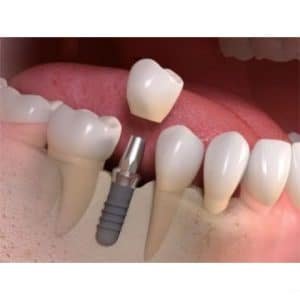
Dental implants are artificial tooth roots surgically positioned in the jawbone. Once the implant has integrated with the surrounding bone, it can support a dental crown, bridge, or denture depending on how many teeth need to be replaced.
A typical single-tooth implant has three main components:
- Implant fixture: The titanium component placed into the jawbone.
- Abutment: The connector between the implant and replacement tooth.
- Dental crown: The visible tooth-shaped restoration attached to the implant.
This approach separates tooth replacement into a surgical component and a restorative component. The implant replaces the root, while the crown provides the visible chewing surface.
Why Consider Dental Implants for Missing Teeth?

Dental implants can provide several functional and restorative benefits. One important advantage is that a single implant can replace a missing tooth without requiring the adjacent teeth to be prepared as bridge supports.
Potential benefits include:
- Restoring chewing function.
- Providing a fixed replacement for a missing tooth.
- Supporting crowns, bridges, or dentures.
- Avoiding the need to drill down healthy neighbouring teeth for a conventional bridge.
- Helping maintain the structure of the jawbone around the implant site.
- Improving the appearance of a smile affected by missing teeth.
The choice is not purely cosmetic. Replacing a missing tooth can also be part of restoring a patient’s overall bite and oral function.
Who Is a Suitable Candidate for Dental Implants?
A suitable implant candidate generally needs adequate bone to support the implant and healthy oral tissues. Active dental infection, uncontrolled gum disease, poor oral hygiene, or insufficient bone volume may need to be addressed before implant treatment.
A dental assessment usually considers:
- The missing tooth or teeth — The dentist assesses the location and number of teeth missing.
- Jawbone condition — Imaging can help determine whether sufficient bone is available for implant placement.
- Gum health — Healthy gums provide an important foundation for long-term implant maintenance.
- Remaining teeth — Existing decay, infection, or periodontal disease may need treatment first.
- General health and habits — Certain medical conditions and smoking can affect healing and implant outcomes.
If there is not enough bone in the intended implant site, a bone graft or another augmentation procedure may sometimes be considered. Bone grafting is used to increase the amount of available jawbone so an implant can be positioned appropriately.
What Is the Process for Replacing a Missing Tooth With an Implant?
Dental implant treatment is usually completed in stages rather than in one appointment. The exact timeline depends on the patient’s anatomy, healing, whether bone grafting is required, and the type of restoration planned.
If you are considering implants to replace missing teeth, understanding how the treatment works can help you make an informed decision. Explore our guide to dental implants to learn more about the procedure, benefits, treatment process, and factors that may affect your suitability.
1. Consultation and Treatment Planning
The dentist examines the mouth and reviews the missing tooth area. Dental X-rays or three-dimensional imaging may be used to evaluate the bone and plan implant positioning.
2. Implant Placement
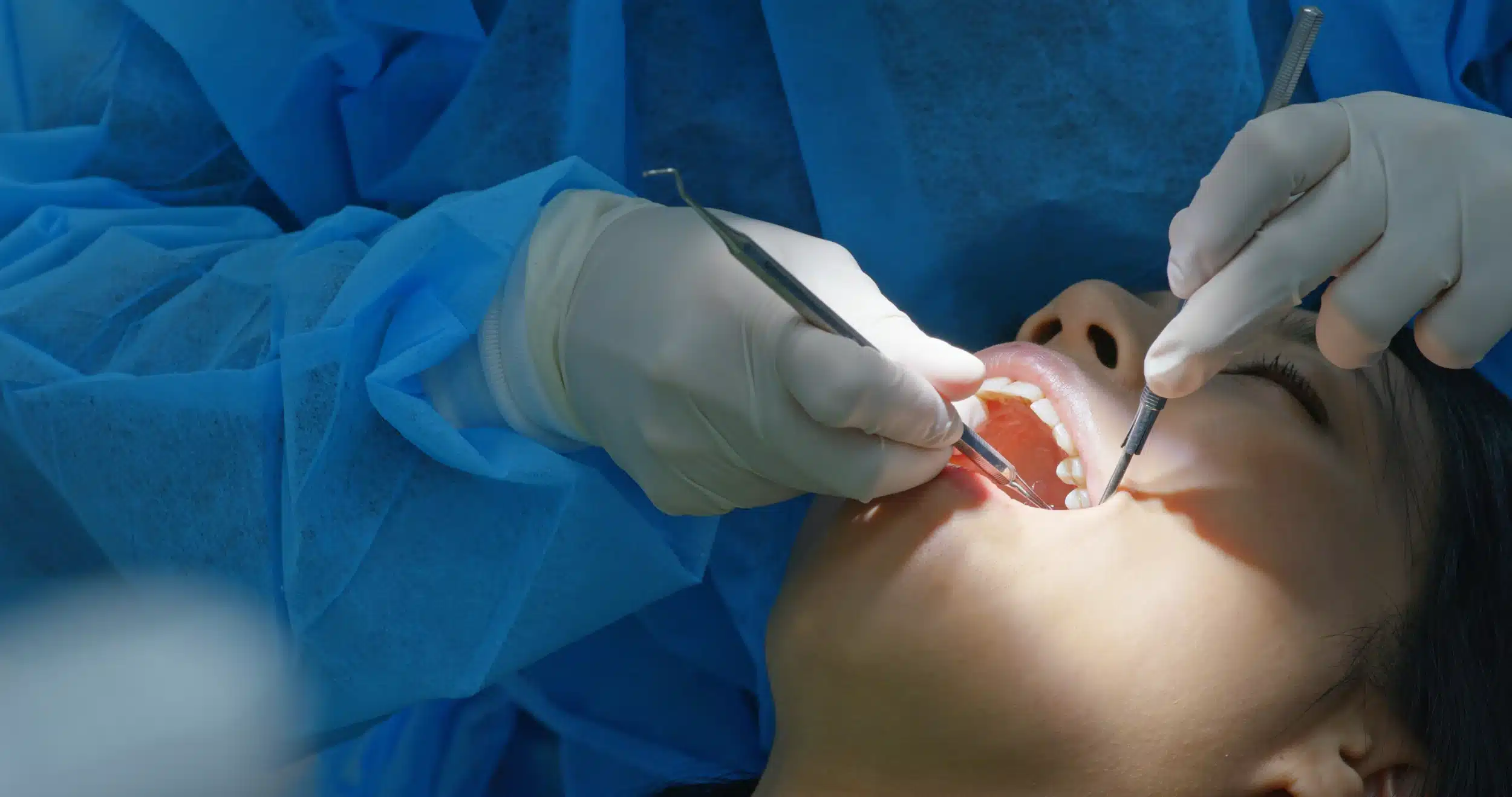
The implant fixture is surgically placed into the jawbone, generally under local anaesthesia. The gum is positioned around the implant and allowed to heal.
3. Healing and Osseointegration
During healing, the implant becomes integrated with the surrounding bone. This process is important because the implant needs a stable foundation before it can support the final restoration.
4. Abutment and Restoration
Once the implant has healed sufficiently, the dentist can attach the abutment and fit the final crown, bridge, or other implant-supported restoration.
The process can therefore take considerably longer than simply fitting a removable tooth replacement. In some cases, additional procedures may also extend the treatment timeline.
Dental Implants vs Bridges vs Dentures
Several options can replace missing teeth, and each has different characteristics.
| Feature | Dental Implant | Conventional Bridge | Denture |
|---|---|---|---|
| Fixed in the mouth | Yes | Yes | Usually removable |
| Replaces tooth root | Yes | No | No |
| Uses neighbouring teeth | Usually no | Yes | No |
| Can replace multiple teeth | Yes, with appropriate planning | Yes | Yes |
| Requires surgery | Yes | Usually no | No |
| Cleaning | Similar to natural teeth plus implant-specific care | Requires cleaning around/under bridge | Removed for cleaning |
| Bone considerations | Requires suitable implant site | Less dependent on implant bone volume | Varies by denture type |
The most appropriate option depends on the number of missing teeth, bone and gum condition, budget, treatment preferences, and overall oral health.
How Successful Are Dental Implants?
Dental implants can have favourable long-term outcomes when they are appropriately planned and maintained. A 2026 systematic review and meta-analysis of prospective studies with at least 20 years of follow-up estimated a 93.0% implant survival rate at 20 years, although the researchers noted substantial variation between studies.
This figure should not be interpreted as a guarantee for an individual patient. Implant survival can be affected by factors such as bone health, smoking, oral hygiene, implant position, biological complications, mechanical problems, and the quality of long-term maintenance.
For example, a 10-year randomised clinical study reported high implant survival but also identified technical and biological complications during follow-up.
In other words, implant treatment does not end when the crown is fitted. Ongoing maintenance is an important part of protecting the result.
What Is Dental Implant Aftercare Like?
Good dental implant aftercare helps protect the surgical site during healing and supports long-term implant health. Your dentist will provide specific instructions based on the type of implant procedure you have undergone.
After implant placement, patients may experience some swelling or discomfort for several days. Keeping the surgical area clean and following post-operative instructions can help reduce the risk of complications.
Long-term care generally includes:
- Brushing regularly with appropriate technique.
- Cleaning around the implant and restoration.
- Maintaining healthy gums.
- Attending scheduled dental reviews.
- Having professional cleaning when recommended.
- Avoiding smoking where possible.
- Reporting unusual bleeding, swelling, pain, or implant movement promptly.
Cambridge University Hospitals recommends regular long-term reviews and professional cleaning for implant patients, noting that meticulous cleaning is important for reducing the risk of inflammation and bone loss around implants.
A Simple Example: Replacing One Missing Molar
Imagine a patient who has lost a lower molar and wants a fixed replacement. The neighbouring teeth are healthy, so the patient would prefer not to prepare them for a conventional bridge.
After examination and imaging, the dentist determines that there is adequate bone for implant placement. A dental implant is inserted into the missing-tooth area, allowed to heal, and later restored with a crown.
The result is a standalone replacement supported by an artificial tooth root rather than by the neighbouring natural teeth.
However, if the patient has insufficient bone or active gum disease, those issues may need to be addressed before implant placement.
What Are the Risks of Dental Implants?
Dental implant surgery is generally predictable when carefully planned, but it is still a surgical procedure and complications can occur.
Potential problems include:
- Infection.
- Bleeding or swelling after surgery.
- Implant failure to integrate with the bone.
- Peri-implant inflammation or peri-implantitis.
- Mechanical complications involving the restoration.
- Nerve-related symptoms in certain anatomical locations.
- Bone loss around the implant.
Your dentist should assess these risks based on your individual anatomy and health rather than relying on general statistics alone.
Conclusion: Restoring Missing Teeth With Dental Implants
Dental implants for missing teeth can provide a fixed and functional way to replace one or more missing teeth. They replace the root portion of a tooth and can support crowns, bridges, or dentures, while avoiding the need to use neighbouring natural teeth as conventional bridge supports in suitable cases.
At Ivory Dental, implant treatment involves assessing the patient’s oral health, bone condition, remaining teeth, and restoration needs before recommending an appropriate approach. Good planning and long-term dental implant aftercare are essential parts of maintaining the result.
If you are missing one or more teeth and want to understand whether implants may be suitable for you, visit Ivory Dental to explore restorative treatment options and arrange a professional dental assessment.
If you have one or more missing teeth and are unsure whether dental implants are suitable for you, a professional assessment can help evaluate your bone condition, gum health, and replacement options. Contact Ivory Dental to arrange a consultation and discuss your tooth replacement needs with the dental team.
Frequently Asked Questions
Are dental implants the best option for missing teeth?
Dental implants are one option for replacing missing teeth, but whether they are appropriate depends on your oral health, bone condition, treatment goals, and preferences. A dentist can compare implants with bridges and dentures after assessing your individual situation.
How long do dental implants last?
Dental implants can function for many years when properly placed and maintained. Long-term studies have reported favourable survival, including an estimated 93% survival rate at 20 years in one 2026 systematic review, but individual results vary.
Are dental implants painful?
Implant placement is generally performed under local anaesthesia, so you should not feel the surgical procedure itself. Some discomfort and swelling can occur afterward, particularly during the first few days.
How long does it take to get a dental implant after losing a tooth?
There is no single timeline. Treatment may involve immediate, early, or delayed placement depending on the tooth, bone condition, infection, and treatment plan. Bone grafting or additional healing time can make treatment longer.
Can dental implants replace several missing teeth?
Yes. Depending on the patient’s condition, multiple implants can support individual crowns, an implant-supported bridge, or an implant-supported denture. The appropriate design depends on how many teeth are missing and the available bone and gum support.