Blk 471B Yishun Street 42, #01-02, Singapore 762471

How long do dental implants last? For many patients, dental implants can provide a long-term solution for missing teeth, often lasting 20 years or more with proper care. Their lifespan depends on several factors, including oral hygiene, gum health, bone condition, lifestyle habits, and the quality of the initial treatment.
For people who have lost one or more teeth, implants offer a fixed replacement that looks and functions much like natural teeth. Unlike removable dentures, they are anchored into the jawbone, providing a stable foundation for artificial teeth.
How Long Do Dental Implants Last on Average?
When asking how long do dental implants last, patients should understand that the implant fixture and the attached crown have different lifespans. The titanium fixture can remain in the jawbone for decades when properly maintained, while the crown may need replacement sooner due to everyday chewing pressure and normal wear.
Does the Implant Last Longer Than the Crown?
When patients ask how long do dental implants last, it is useful to distinguish between the implant fixture and the dental crown. The fixture is integrated into the jawbone and can remain stable for many years, while the crown is more exposed to daily chewing forces and may need maintenance or replacement earlier.
| Component | General lifespan | Main factors affecting durability |
|---|---|---|
| Implant fixture | 10–20 years or longer | Bone health, gum condition, oral hygiene |
| Dental crown | Around 10–15 years or longer | Chewing pressure, material, grinding habits |
| Abutment | Can last many years | Mechanical wear, loosening, implant condition |
These timeframes are general estimates, not fixed replacement schedules. A crown may last longer when properly maintained, while an implant fixture may develop complications even before the expected lifespan.
What Factors Affect How Long Dental Implants Last?

Several factors determine how long do dental implants last after treatment. The condition of the gums and jawbone, daily oral hygiene, lifestyle habits, and the quality of implant placement can all affect long-term stability. Even a properly placed implant may develop complications without consistent care.
Patients who want to understand the available treatment options can explore Ivory Dental’s dental implant services in Singapore. A dental assessment helps determine the appropriate implant approach based on the condition of the jawbone, gums, and remaining teeth.
1. Oral Hygiene and Daily Cleaning
One important factor affecting how long do dental implants last is the condition of the surrounding gum tissue. Although the implant itself cannot develop tooth decay, plaque can accumulate around it and cause inflammation. Keeping this area clean helps protect the tissues that support the implant.
Patients should maintain a daily cleaning routine that includes:
- Brushing twice a day with a soft-bristled toothbrush.
- Cleaning between teeth using dental floss or interdental brushes.
- Paying attention to the gumline around the implant.
- Using mouthwash if recommended by the dentist.
Plaque accumulation around an implant can cause inflammation known as peri-implant mucositis. If left untreated, the condition may progress to peri-implantitis, which involves inflammation and loss of supporting bone.
2. Gum and Jawbone Health
Gum and jawbone health are important when considering how long do dental implants last. The implant needs sufficient bone support to remain stable, while healthy gum tissue helps protect the surrounding area from infection. Any existing gum disease should be assessed before implant treatment begins.
Patients with a history of periodontal disease may have a higher risk of developing complications around their implants. Bone loss can also affect the stability of an implant, particularly when inflammation is not treated early.
Regular dental examinations allow the dentist to monitor gum condition and check for changes in the supporting bone.
3. Smoking and Lifestyle Habits
Lifestyle habits can influence how long do dental implants last, particularly during the healing period and throughout long-term maintenance. Smoking, for example, can affect blood circulation in the gums and interfere with healing. Patients should discuss these habits with their dentist before and after implant treatment.
Other habits that may affect implant durability include:
- Frequently chewing hard objects such as ice or pen caps.
- Grinding or clenching teeth, a condition known as bruxism.
- Poor dietary habits that contribute to gum problems.
- Skipping dental appointments and professional cleaning.
Patients who grind their teeth may benefit from a custom-made nightguard to reduce excessive pressure on the implant and surrounding teeth.
4. Implant Placement and Treatment Planning
The quality of the initial treatment also plays a role in long-term implant performance. Proper positioning, sufficient bone support, and an appropriate restoration are important for distributing chewing forces.
Proper treatment planning can influence how long do dental implants last after placement. Dentists assess bone volume, gum health, and bite alignment before selecting the implant position. Careful planning helps create a stable foundation and reduces the risk of avoidable complications.
For patients considering treatment, understanding the dental implants procedure in Singapore can provide a clearer picture of the consultation, surgical placement, healing, and restoration stages.
What Are the Signs That a Dental Implant May Be Failing?
Although dental implants can last for many years, their lifespan is not guaranteed. Understanding how long do dental implants last also means recognising possible signs of complications, such as persistent pain, gum swelling, bleeding, or movement around the implant. These symptoms should be assessed by a dentist.
Some warning signs include:
- Persistent pain: Discomfort that continues or develops long after the initial healing period.
- Bleeding gums: Repeated bleeding around the implant during brushing or eating.
- Swelling and redness: Inflammation around the surrounding gum tissue.
- Pus or unusual discharge: Possible signs of infection.
- Loose implant or crown: Movement may indicate a mechanical problem or loss of supporting bone.
It is important to understand that a loose crown does not necessarily mean the implant fixture itself has failed. The abutment or crown may simply need repair or adjustment. A dental examination is needed to identify the actual cause.
If these symptoms appear, arrange a dental assessment rather than waiting for them to disappear on their own.
How Can You Make Dental Implants Last Longer?
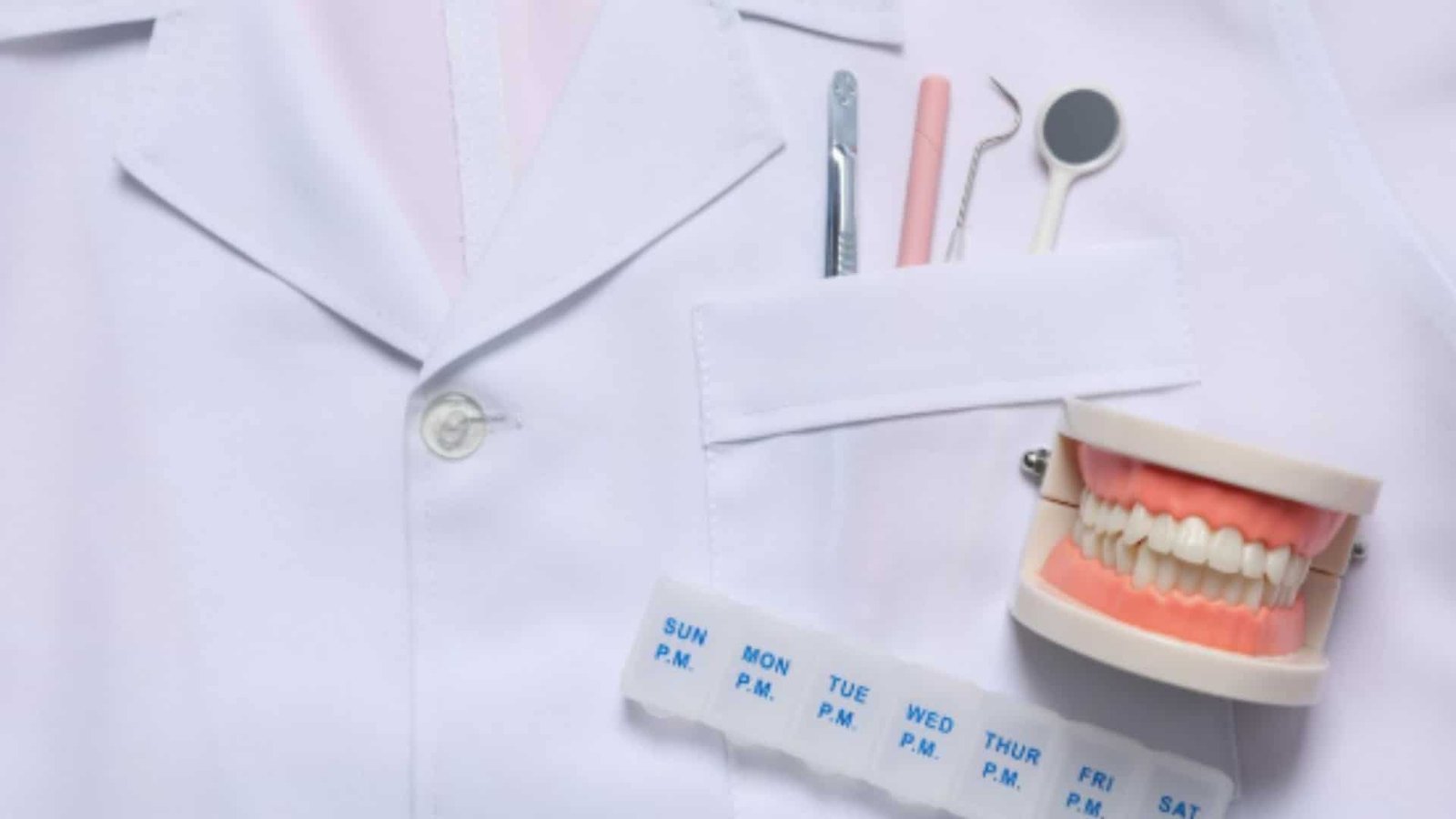
Patients wondering how long do dental implants last should pay attention to their daily maintenance routine. While the implant fixture is designed for long-term use, the surrounding gums and bone still need protection from plaque and inflammation. Consistent cleaning and regular dental reviews can help maintain implant health.
Here are several practical ways to maintain them:
- Brush and floss regularly. Clean around the implant and along the gumline to reduce plaque buildup.
- Attend routine dental check-ups. Professional examinations help identify early signs of gum inflammation, bone loss, or mechanical problems.
- Avoid smoking. Reducing or stopping smoking can support healthier gum tissues.
- Protect the implant from excessive pressure. Ask your dentist about a nightguard if you grind or clench your teeth.
- Follow professional cleaning recommendations. Your dentist can recommend suitable cleaning tools and an appropriate maintenance schedule.
An Everyday Example
Consider someone who receives a dental implant to replace a missing molar. The implant initially feels comfortable, and the patient can return to eating normally after the dentist confirms that healing has progressed sufficiently.
However, several years later, the patient begins noticing bleeding around the implant while brushing. Rather than ignoring the symptom, the patient attends a dental appointment and receives treatment for gum inflammation.
This example shows that how long do dental implants last depends on more than the implant material itself. The health of the surrounding gums and bone also matters. Regular check-ups can help identify problems early and support the long-term condition of the implant.
Dental Implants vs Other Tooth Replacement Options: Which Lasts Longer?
Comparing tooth replacement options can help patients understand how long do dental implants last in relation to dental bridges and dentures. Each treatment has a different expected lifespan, level of stability, and maintenance requirement. These differences are worth considering before choosing a suitable replacement.
| Treatment | General lifespan | Maintenance |
|---|---|---|
| Dental implants | 10–20 years or longer | Daily cleaning and regular dental reviews |
| Dental bridges | Around 5–15 years | Cleaning around and beneath the bridge |
| Traditional dentures | Around 5–10 years | Daily removal, cleaning, and periodic adjustment |
The figures above provide a general guide, but they do not guarantee how long do dental implants last for every patient. Oral hygiene, the condition of the supporting bone, lifestyle habits, and regular dental care can all influence the actual lifespan of each treatment.
Dental implants offer the advantage of being anchored in the jawbone without relying on neighbouring natural teeth for support. However, they involve surgery and may require a longer treatment period than bridges or dentures.
The most suitable option depends on the patient’s oral condition, preferences, and treatment needs.
When Should You Replace a Dental Implant or Crown?
Knowing how long do dental implants last does not mean replacing them automatically after a certain number of years. If the implant fixture remains stable and the surrounding tissues are healthy, it may continue functioning for a long time. Replacement is usually considered when damage, infection, or other complications affect its condition.
The answer to how long do dental implants last can also depend on the condition of the crown. Even when the implant fixture remains firmly attached to the jawbone, a worn or damaged crown may need to be replaced to restore comfortable chewing and proper function.
A dentist may recommend further treatment when there is:
- Significant damage to the crown or abutment.
- Repeated loosening of the restoration.
- Advanced peri-implantitis.
- Progressive bone loss around the fixture.
- Persistent discomfort or infection.
The dentist will examine the implant and surrounding tissues before deciding whether repair, replacement of the crown, or more extensive treatment is needed.
Conclusion: Maintain Your Dental Implants with Proper Care at Ivory Dental
So, how long do dental implants last? In many cases, they can remain functional for 10–20 years or longer. Their lifespan depends on the quality of the initial treatment, gum and bone health, daily oral hygiene, and regular professional maintenance.
Understanding how long do dental implants last is only one part of maintaining a healthy smile. Patients should also pay attention to changes around the implant, maintain good oral hygiene, and attend regular dental reviews. Early attention to inflammation or crown damage may help prevent more serious problems.
If you are considering tooth replacement or want to learn more about maintaining an existing implant, Ivory Dental provides dental implant services in Singapore. Visit Ivory Dental to explore the available treatments and arrange a consultation to discuss your dental needs.
Frequently Asked Questions
How long do dental implants last before they need replacement?
Dental implants can last 10–20 years or longer, depending on oral hygiene, bone health, lifestyle habits, and regular dental maintenance. The crown may need replacement earlier due to normal wear.
Can dental implants last a lifetime?
Dental implants can sometimes last a lifetime, but this is not guaranteed for every patient. How long do dental implants last depends on factors such as bone health, gum condition, oral hygiene, lifestyle habits, and regular dental check-ups. The attached crown may also need replacement during the patient’s lifetime.
How often should I visit the dentist after getting dental implants?
Patients should attend regular dental reviews according to their dentist’s recommendations. The frequency depends on gum health, implant condition, and individual risk factors.
Do dental implants wear out like natural teeth?
The implant fixture does not wear down in the same way as natural teeth, but the attached crown can experience wear, chipping, or damage from everyday chewing.
What is the most common reason dental implants fail?
Implant failure can have several causes, including infection, poor bone integration, peri-implantitis, excessive biting forces, and certain lifestyle or health factors. A dental examination is needed to determine the cause.