Blk 471B Yishun Street 42, #01-02, Singapore 762471
Dental veneers are one of the most popular cosmetic dentistry treatments for creating a brighter, more balanced smile. If you’re considering veneers, one of the first questions you’ll likely ask is how long veneers last and whether they’re a worthwhile long-term investment.
The good news is that veneers are designed to be durable. However, their lifespan depends on several factors, including the material used, your oral hygiene habits, and how well you care for your teeth. Understanding what influences their longevity can help you protect your new smile for years to come.
How Long Veneers Last on Average
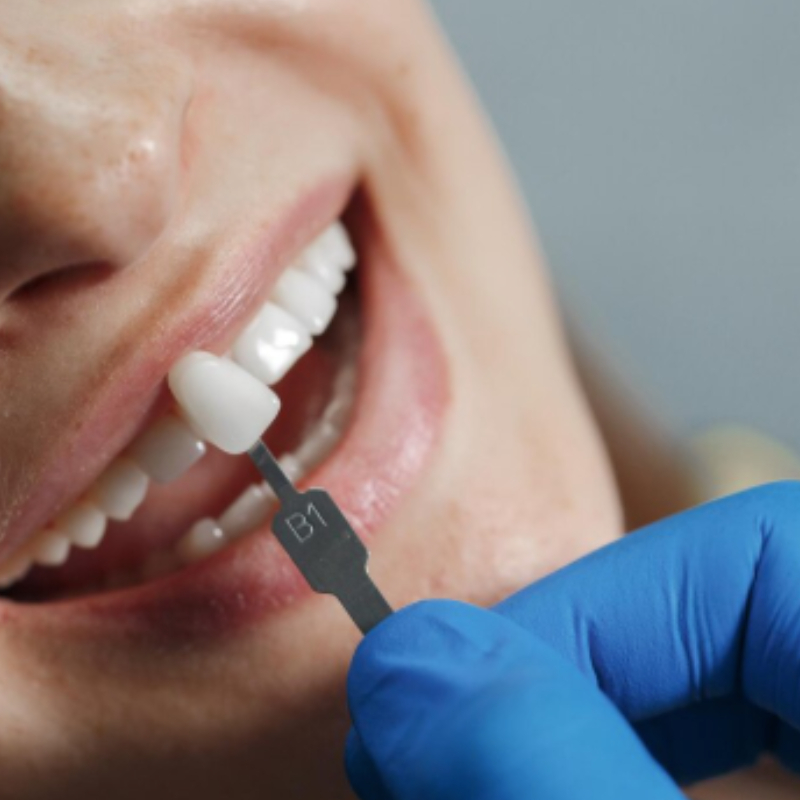
If you’re still exploring whether veneers are the right cosmetic solution for your smile, it’s helpful to understand the treatment in greater detail. Read our complete guide to dental veneers to learn about the procedure, available materials, benefits, and what to expect before getting started.
Most dental veneers are built to withstand everyday chewing and speaking while maintaining their natural appearance.
On average:
- Porcelain veneers typically last 10 to 15 years, with many lasting even longer when properly maintained.
- Composite veneers generally last 5 to 7 years before they may require repairs or replacement.
According to the American Dental Association (ADA), maintaining excellent oral hygiene and attending regular dental check-ups play a significant role in extending the lifespan of dental restorations, including veneers.
Although these figures provide a helpful guideline, every patient is different. Some people enjoy their veneers for well over a decade, while others may need earlier replacement due to accidental damage or excessive wear.
Porcelain vs Composite Veneers: Which Lasts Longer?
The material used is one of the biggest factors affecting durability.
| Feature | Porcelain Veneers | Composite Veneers |
|---|---|---|
| Average Lifespan | 10–15 years | 5–7 years |
| Stain Resistance | Excellent | Moderate |
| Durability | Very High | Good |
| Appearance | Highly natural | Natural |
| Repairability | Usually replaced | Often repaired |
Porcelain is stronger and more resistant to staining from coffee, tea, and red wine. Composite resin offers a more affordable solution and can often be repaired more easily if minor chips occur.
Your dentist will recommend the most suitable material based on your cosmetic goals, lifestyle, and oral health.
What Factors Affect How Long Veneers Last?
Even the highest-quality veneers require proper care. Several everyday habits can influence their longevity.
1. Your Oral Hygiene Routine
Healthy gums and teeth provide the foundation that supports veneers.
A good routine includes:
- Brushing twice daily with a non-abrasive toothpaste
- Flossing every day
- Using fluoride toothpaste
- Visiting your dentist for routine examinations and professional cleaning
Neglecting oral hygiene won’t damage the veneer itself immediately, but it can lead to gum disease or decay around the natural tooth supporting it.
2. Teeth Grinding (Bruxism)
Grinding or clenching your teeth places excessive pressure on veneers.
Clients often ask us whether veneers are strong enough for people who grind their teeth. In our experience, they certainly can be—but wearing a custom night guard is often recommended to minimise unnecessary stress during sleep.
3. Dietary Habits
Veneers are durable, but they’re not indestructible.
It’s best to avoid using your teeth to:
- Open packaging
- Bite fingernails
- Chew ice
- Crack hard nuts or shells
These habits can increase the risk of chipping or cracking over time.
4. The Skill of the Dentist
The longevity of veneers doesn’t depend solely on the material. Proper treatment planning, precise preparation, and accurate bonding techniques all contribute to long-lasting results.
At Ivory Dental, cosmetic dentistry treatments are carefully planned to achieve both aesthetic improvements and long-term function. Every smile is unique, which is why personalised treatment planning remains an important part of successful veneer treatment.
Signs Your Veneers May Need Replacement
Veneers don’t suddenly stop working after a certain number of years. Instead, they gradually show signs of wear.
Common indicators include:
- Chipping or cracking
- Loose veneers
- Visible wear around the edges
- Gum recession exposing the margin
- Changes in colour of the surrounding natural teeth
- Persistent discomfort
Regular dental examinations allow your dentist to identify these issues before they become larger problems.
How to Make Your Veneers Last Longer
Looking after veneers isn’t complicated, but consistency makes all the difference.
Follow these practical steps:
- Brush gently twice a day
- Floss daily to maintain healthy gums
- Attend regular dental check-ups every six months or as recommended
- Wear a night guard if you grind your teeth
- Avoid biting very hard objects
- Limit smoking to reduce staining around natural teeth and maintain healthy gums
These simple habits can significantly increase the lifespan of both porcelain and composite veneers.
A Real-World Example
A patient visited the clinic after wearing porcelain veneers for over 12 years. Apart from a small chip caused by accidentally biting an olive pit, the veneers remained in excellent condition.
Following a comprehensive examination, only one veneer required replacement while the others continued functioning well. The patient had consistently attended routine cleanings, maintained good oral hygiene, and wore a night guard after being diagnosed with nighttime teeth grinding.
Cases like this demonstrate that long-lasting veneers are often the result of both quality treatment and consistent maintenance.
Veneers Are Durable, but They Aren’t Permanent
One common misconception is that veneers last forever.
In reality, veneers are considered a long-term dental restoration rather than a permanent one. Eventually, they may require replacement because of normal wear, changes in gum position, accidental damage, or ageing dental materials.
If you’re still deciding whether veneers are the right option, understanding the difference of veneers and crowns can help you compare how each treatment differs in purpose, durability, and suitability for different dental conditions.
Why Professional Follow-Up Matters
Routine dental reviews do more than simply check your veneers.
Your dentist may also assess:
- Gum health
- Bite alignment
- Signs of grinding
- Tooth decay around veneers
- Overall oral health
At Ivory Dental, regular follow-up appointments allow small concerns to be addressed early, helping patients preserve both their veneers and their natural teeth for as long as possible. Regular examinations are one of the best ways to keep your veneers and natural teeth in excellent condition. Learn what happens during a dental check-up and why routine visits play an important role in detecting potential issues before they become more serious.
Conclusion: Good Care Makes Veneers Last Longer
Knowing how long veneers last helps you make realistic expectations before starting treatment. While porcelain veneers commonly last 10 to 15 years and composite veneers generally last 5 to 7 years, proper care plays a much bigger role than many people realise.
Maintaining good oral hygiene, attending routine dental check-ups, and avoiding habits that place excessive stress on your teeth can significantly extend the life of your veneers. Choosing an experienced dental team also contributes to long-term success.
If you’re considering veneers or would like personalised advice about improving your smile, the experienced team at Ivory Dental can help you explore the most suitable treatment for your needs. Visit Ivory Dental to schedule a consultation and take the first step toward a confident, healthy smile.
FAQs (Frequently Ask Questions)
Can veneers last 20 years?
Yes. While porcelain veneers typically last 10 to 15 years, some patients enjoy them for 20 years or longer with excellent oral hygiene, regular dental care, and healthy habits.
Do veneers stain over time?
Porcelain veneers are highly resistant to stains. Composite veneers are more likely to absorb pigments from foods and drinks over time, making regular maintenance even more important.
Can veneers fall off?
Although uncommon, veneers can become loose if the bonding weakens or if the underlying tooth changes. A dentist can usually assess whether the veneer can be reattached or should be replaced.
Do veneers need special cleaning products?
No. Most patients can maintain their veneers using a soft-bristled toothbrush, non-abrasive fluoride toothpaste, and daily flossing. Your dentist may recommend additional products based on your individual oral health needs.
Can veneers be repaired instead of replaced?
Yes, it depends on the type and extent of the damage. Minor chips or small defects in composite veneers can often be repaired without replacing the entire veneer. Porcelain veneers, however, are generally more difficult to repair and may need to be replaced if they are significantly cracked or broken. Your dentist will examine the veneer and recommend the most appropriate solution based on its condition.