Blk 471B Yishun Street 42, #01-02, Singapore 762471
Sensitive teeth treatment in Singapore refers to professional dental care and preventive strategies used to reduce or manage sharp, sudden discomfort caused by hot, cold, sweet, sour, or even cold air. Tooth sensitivity is common, but it should not always be ignored. Sometimes it is caused by temporary enamel wear, while persistent sensitivity may be linked to gum recession, tooth decay, cracks, worn fillings, or deeper dental problems.
Imagine enjoying a cold drink on a warm afternoon, only to feel a sudden sharp sensation in one or more teeth. The discomfort may disappear quickly, but if it happens repeatedly, your teeth may be trying to tell you something. The right sensitive teeth treatment in Singapore depends on the underlying cause, which is why a dental assessment is often the best starting point.
At Ivory Dental, preventive, restorative, and general dental care are brought together to help patients understand the source of their symptoms and receive personalised treatment. Depending on the diagnosis, treatment may include professional fluoride application, preventive care, dental fillings, treatment for gum problems, or more advanced procedures when the sensitivity is caused by deeper tooth damage.
What Causes Sensitive Teeth?
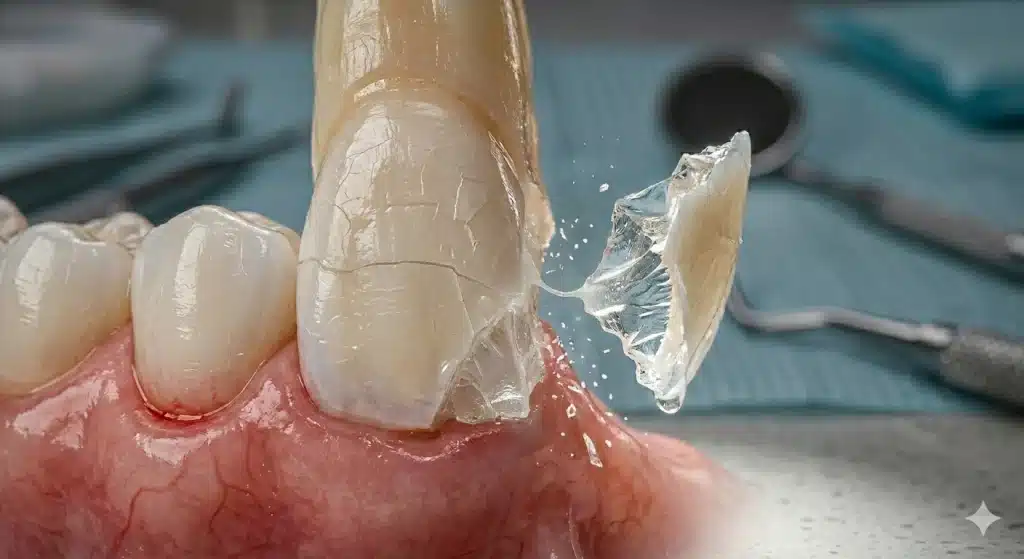
Tooth sensitivity usually occurs when the protective outer layer of the tooth becomes thinner or when the inner dentin becomes exposed. Dentin contains microscopic channels that can transmit sensations towards the tooth nerve. This is why a sip of iced water or a bite of something sweet can sometimes cause a sudden, uncomfortable reaction.
Common causes include:
- Enamel erosion from acidic food and drinks
- Aggressive or incorrect brushing
- Gum recession
- Tooth decay or cavities
- Cracked or chipped teeth
- Worn dental fillings
- Plaque and tartar buildup
- Teeth grinding or clenching
- Recent dental treatment
- Exposed tooth roots
A useful way to understand sensitivity is:
Healthy enamel and gums → dentin remains protected → fewer external triggers reach the nerve
Enamel wear or gum recession → dentin becomes exposed → hot, cold, sweet, or sour stimuli may cause sensitivity
This is why sensitivity is not a single condition with one universal solution. The best treatment depends on what is happening inside and around the affected tooth.
How Do You Know If You Need Sensitive Teeth Treatment in Singapore?
Occasional sensitivity may be mild, but repeated or worsening symptoms deserve attention. You may benefit from a professional dental assessment if you experience:
- Sharp pain when drinking hot or cold beverages.
- Discomfort when eating sweet or acidic foods.
- Sensitivity when brushing or flossing.
- Pain that repeatedly affects the same tooth.
- Sensitivity that lasts longer than expected after a trigger is removed.
- Pain when biting or chewing.
- Tooth sensitivity together with visible damage, dark spots, or swelling.
A Simple Rule of Thumb
If sensitivity is brief and occasional, it may be related to surface sensitivity or enamel wear.
If sensitivity is persistent, localised, worsening, or associated with pain, it may indicate a deeper problem that needs professional evaluation.
For example, sensitivity caused by enamel wear may be managed differently from sensitivity caused by a cavity. A damaged tooth may require restorative care, while a tooth with deeper infection may need more advanced treatment.
What Are the Main Sensitive Teeth Treatment Options?
The right approach depends on the cause. A dentist may recommend one or more of the following options.
1. Fluoride Treatment
Fluoride treatment is one of the preventive approaches that may help strengthen weakened enamel and reduce sensitivity. Professional fluoride applications can support remineralisation and provide additional protection for teeth that are more vulnerable to decay or sensitivity.
This may be particularly useful for patients with:
- Weakened enamel
- Higher risk of tooth decay
- Sensitivity related to enamel wear
- Frequent exposure to acidic foods and drinks
Ivory Dental explains that fluoride can help restore minerals to weakened enamel and support the tooth’s natural protective structure. Professional fluoride treatment is applied under dental supervision and may be recommended as part of a broader preventive care plan.
Pro Tip: Fluoride treatment is not a replacement for daily brushing and professional dental care. Think of it as an additional layer of protection rather than a one-time cure for every type of sensitivity.
2. Dental Fillings for Sensitivity Caused by Tooth Decay
A cavity can expose deeper layers of a tooth and cause sensitivity to hot, cold, sweet, or sour foods. When decay progresses, the discomfort may become more frequent.
A dental filling may be recommended to:
- Remove decayed tooth material
- Restore the shape of the tooth
- Protect deeper tooth layers
- Reduce sensitivity caused by decay
- Prevent further deterioration
Ivory Dental notes that tooth decay can cause sensitivity and that early treatment can help prevent damage from progressing into deeper parts of the tooth.
3. Treatment for Gum Recession or Gum Problems
Sometimes the problem is not the tooth enamel itself. When gums recede, the tooth root may become exposed. Because roots do not have the same protective enamel covering as the crown of the tooth, they can be more sensitive.
Gum-related sensitivity may be connected to:
- Gum inflammation
- Plaque and tartar buildup
- Gum disease
- Aggressive brushing
- Natural changes in gum position
In these cases, the treatment plan may focus on improving gum health and reducing the factors contributing to exposure.
4. Treatment for Cracked or Damaged Teeth
A crack or chip can expose sensitive areas of the tooth. Some people notice discomfort when biting down, while others experience sensitivity to temperature.
Depending on the severity of the damage, treatment may involve restorative options such as:
- Dental fillings
- Crowns
- Other restorative procedures
The correct treatment cannot be determined from sensitivity alone. A dental examination may be needed to identify the extent of the damage.
5. Root Canal Treatment for Deeper Dental Problems
Not all tooth sensitivity is caused by a minor surface problem. If the nerve or pulp inside the tooth becomes inflamed or infected, the symptoms may become more severe.
Possible warning signs include:
- Persistent tooth pain
- Prolonged sensitivity
- Severe discomfort
- Deep decay
- Tooth discolouration
- Swelling or an abscess
Ivory Dental describes root canal treatment as a procedure used to treat infection or damage inside a tooth while helping preserve the natural tooth where possible.
This is an important reason why persistent sensitivity should not simply be masked with home remedies.
Sensitive Teeth Treatment Options at a Glance
| Possible Cause | Common Symptoms | Possible Dental Approach |
|---|---|---|
| Enamel wear | Short, sharp sensitivity | Preventive care and fluoride treatment |
| Gum recession | Sensitivity near the gumline | Gum assessment and periodontal care |
| Tooth decay | Sensitivity to sweet, hot, or cold foods | Dental filling or restorative treatment |
| Cracked tooth | Pain when biting or temperature sensitivity | Restorative treatment based on severity |
| Deep infection | Persistent pain or prolonged sensitivity | Root canal or other appropriate treatment |
| Plaque and tartar buildup | Gum irritation and sensitivity | Professional cleaning and oral hygiene care |
This table is a general guide only. The same symptom can have different causes, so professional diagnosis remains important.
What Can You Do at Home to Reduce Tooth Sensitivity?
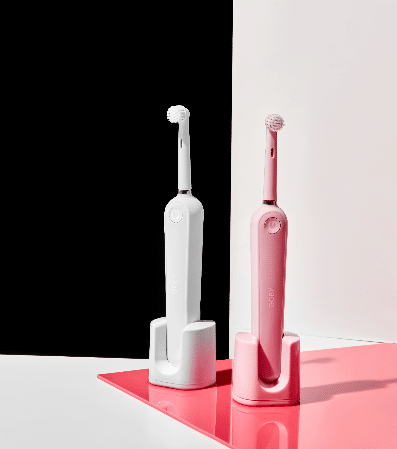
While home care cannot replace a dental examination, small daily habits can help protect your teeth.
Step 1: Brush Gently
Use a soft-bristled toothbrush and avoid applying excessive pressure. Brushing harder does not necessarily clean better. Over time, aggressive brushing may contribute to enamel wear or gum recession.
Step 2: Use Fluoride Toothpaste
Fluoride toothpaste helps support enamel protection and is an important part of everyday oral hygiene.
Step 3: Reduce Frequent Acid Exposure
Acidic foods and drinks can contribute to enamel erosion when consumed frequently. Examples may include:
- Soft drinks
- Certain fruit juices
- Sports drinks
- Acidic snacks
The issue is often not one isolated meal but repeated exposure over time.
Step 4: Avoid Extreme Temperature Triggers Temporarily
If very hot or cold foods trigger discomfort, reducing exposure while arranging a dental check-up may make daily life more comfortable.
Step 5: Do Not Ignore Persistent Symptoms
If sensitivity keeps returning, the goal should be to identify the cause rather than simply avoid every food or drink that triggers discomfort
.
When Should You See a Dentist?
A dental visit is particularly important when sensitivity:
- Continues for several days or weeks
- Is getting worse
- Affects one specific tooth
- Occurs with swelling
- Is associated with a visible cavity or crack
- Causes pain when chewing
- Does not disappear shortly after the trigger is removed
A dentist may assess your teeth, gums, bite, existing restorations, and overall oral health. Depending on the symptoms, diagnostic imaging such as dental X-rays may also be considered.
Why Early Assessment Matters
A small problem can sometimes become more complicated if left untreated. For example, early decay may be treatable with a filling, while deeper decay can affect the inner part of the tooth and require more extensive treatment.
This is similar to noticing a small leak in a house. Fixing the source early is usually simpler than waiting until the damage spreads.
How Can You Prevent Sensitive Teeth?
Prevention is an important part of long-term oral health.
A practical daily routine may include:
- Brush twice daily with fluoride toothpaste.
- Clean between your teeth regularly.
- Use a gentle brushing technique.
- Limit frequent exposure to acidic drinks.
- Avoid using your teeth to open packages or bite hard objects.
- Attend routine dental check-ups.
- Seek advice when sensitivity becomes persistent.
Professional cleaning can also support preventive care by removing hardened tartar that cannot be effectively removed through brushing alone. Ivory Dental explains that scaling and polishing can remove plaque and calculus buildup while helping dentists identify certain early dental concerns during routine visits.
Sensitive Teeth Treatment in Singapore: A Simple Decision Guide
Use this quick guide to understand what your next step might be:
Mild, Occasional Sensitivity
Possible situation: Brief discomfort from cold foods.
Next step: Improve daily oral care and monitor the symptoms.
Frequent Sensitivity
Possible situation: Sensitivity happens regularly during meals.
Next step: Arrange a dental assessment to identify the underlying cause.
Sensitivity with a Cavity, Crack, or Pain
Possible situation: The tooth is visibly damaged or painful when biting.
Next step: Seek professional dental care promptly.
Sensitivity with Swelling or Severe Pain
Possible situation: There may be a deeper infection or urgent dental issue.
Next step: Contact a dental clinic for timely assessment.
If sensitivity is accompanied by toothache, addressing the pain source is equally important. Patients who are looking for targeted toothache treatment in Yishun can explore professional options based on the cause of their symptoms.
Conclusion: Find the Right Sensitive Teeth Treatment in Singapore
Sensitive teeth treatment in Singapore should be based on the reason behind the sensitivity. Mild enamel wear may benefit from preventive care and fluoride protection, while sensitivity caused by cavities, gum recession, cracks, or deeper infection may require specific dental treatment.
The most practical next step is to pay attention to your symptoms, avoid habits that may worsen enamel wear, maintain good daily oral hygiene, and arrange a professional dental assessment if sensitivity persists or becomes painful.
If you are looking for personalised care, Ivory Dental provides comprehensive dental services designed to support preventive, restorative, and long-term oral health. Visit the official Ivory Dental website to learn more about available treatments and arrange an appointment with the dental team.
FAQs (Frequently Ask Questions)
What is the best treatment for sensitive teeth?
The best treatment depends on the cause. Options may include fluoride treatment, dental fillings, gum care, or other restorative treatments.
Can sensitive teeth be treated permanently?
In many cases, sensitivity can be significantly reduced or managed by treating its underlying cause, such as tooth decay, enamel wear, or gum recession.
Why do my teeth hurt when I drink something cold?
Cold drinks can trigger sensitivity when dentin or tooth roots become exposed due to enamel erosion, gum recession, cavities, or other dental problems.
When should I see a dentist for sensitive teeth?
See a dentist if sensitivity is persistent, worsening, affects one specific tooth, or occurs with toothache, swelling, or pain when chewing.
How can I prevent sensitive teeth?
Brush gently with fluoride toothpaste, clean between your teeth, limit frequent acidic drinks, and attend regular dental check-ups.