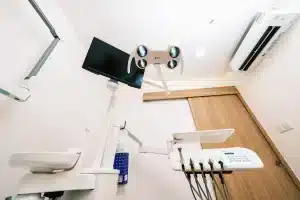
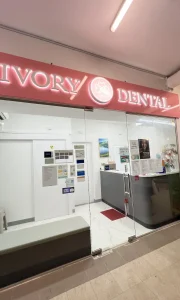
Blk 471B Yishun Street 42, #01-02, Singapore 762471

If you’re searching for wisdom tooth removal in Yishun, you’re probably experiencing discomfort, swelling, or have been advised by your dentist that your wisdom teeth should be removed. Wisdom teeth, also known as third molars, are the last permanent teeth to erupt, usually between the ages of 17 and 25. While some people never experience problems, many develop complications because there is not enough space for these teeth to grow properly.
Modern wisdom tooth removal is a safe and commonly performed dental procedure. Thanks to advanced diagnostic imaging, local anesthesia, and minimally invasive surgical techniques, most patients recover comfortably and return to their daily activities within a few days.
This guide explains everything you need to know about wisdom tooth removal in Yishun, including:
- Why wisdom teeth need removal
- Common symptoms
- Treatment options
- Surgical vs. non-surgical extraction
- Recovery timeline
- Cost considerations
- Frequently asked questions
- How to choose the right dental clinic
Understanding the process can help reduce anxiety and ensure you receive timely treatment before complications become more serious.
What Is Wisdom Tooth Removal?
Wisdom tooth removal is a dental procedure that involves extracting one or more third molars. Depending on the position of the tooth, the procedure may be a simple extraction or a surgical removal.
The primary goal is to:
- Eliminate pain
- Prevent infection
- Protect adjacent teeth
- Improve oral health
- Prevent future complications
Dentists recommend removal only when the wisdom tooth is likely to cause ongoing or future problems. Understanding how wisdom teeth develop and why they sometimes become impacted can help patients recognize potential problems earlier and make informed decisions about treatment. Wisdom teeth often require special attention because they erupt later than other permanent teeth and may not have enough space to grow properly.
If you’d like to learn more about wisdom tooth development, common symptoms, and available treatment options, explore our comprehensive guide on wisdom tooth care.
Why Do Wisdom Teeth Need to Be Removed?
Not every wisdom tooth requires extraction. However, removal is often recommended when the tooth cannot erupt properly or threatens surrounding oral structures.
Common Reasons for Wisdom Tooth Removal
- Impacted wisdom teeth
- Tooth decay
- Gum infection
- Recurrent swelling
- Cysts around the tooth
- Damage to neighboring molars
- Food trapping
- Difficulty cleaning
Early intervention often helps prevent more extensive treatment later.
Pro Tips : Removing problematic wisdom teeth before severe infection develops often leads to an easier recovery.
Common Symptoms That May Indicate Wisdom Tooth Problems
Many patients first notice subtle symptoms before the condition worsens.
Early Symptoms
- Mild jaw discomfort
- Tender gums
- Food trapping
- Bad breath
- Mild swelling
Advanced Symptoms
- Severe toothache
- Facial swelling
- Difficulty chewing
- Difficulty opening the mouth
- Gum infection
- Pus discharge
- Fever
Persistent symptoms should always be evaluated by a dentist.
Wisdom Tooth Removal vs Wisdom Tooth Surgery
Many patients confuse these two procedures.
| Procedure | Suitable For |
|---|---|
| Simple Extraction | Fully erupted wisdom tooth |
| Surgical Removal | Impacted or partially erupted wisdom tooth |
Your dentist determines the appropriate procedure after examining the tooth and reviewing dental X-rays./
How Dentists Assess Wisdom Teeth Before Removal
Proper diagnosis is essential before treatment begins.
Clinical Examination
Your dentist evaluates:
- Tooth position
- Gum health
- Signs of infection
- Jaw movement
Digital Dental X-rays
Dental X-rays help determine:
- Tooth angle
- Root position
- Bone involvement
- Proximity to nerves
- Surgical complexity
Accurate imaging improves treatment planning and patient safety.
Pro Tips : Even painless wisdom teeth may have hidden problems that only appear on X-rays.
What Happens During Wisdom Tooth Removal?
Knowing each stage of treatment helps reduce anxiety. Many patients feel less anxious when they understand the treatment process before surgery. Knowing what happens during consultation, anesthesia, tooth removal, and recovery can make the experience feel much more predictable and manageable.
For a more detailed explanation of each stage of the procedure, including preparation, surgical steps, and healing expectations, read our complete guide on how wisdom tooth removal works.
Step 1: Consultation
The dentist reviews:
- Symptoms
- Medical history
- X-rays
- Treatment options
Step 2: Local Anesthesia
The treatment area is completely numbed to improve patient comfort.
Most patients feel pressure rather than pain during the procedure.
Step 3: Tooth Removal
Depending on the tooth position, the dentist may:
- Loosen the tooth
- Divide it into smaller sections
- Remove surrounding bone if necessary
Step 4: Cleaning the Area
The socket is cleaned to minimize infection risk.
Step 5: Stitches (If Required)
Some surgical procedures require dissolvable or removable stitches.
Step 6: Recovery Instructions
Patients receive detailed guidance on:
- Pain management
- Diet
- Oral hygiene
- Follow-up care
Is Wisdom Tooth Removal Painful?
One of the most common concerns is whether the procedure hurts.
Modern local anesthesia effectively numbs the treatment area, meaning patients typically feel pressure rather than pain during extraction.
After the anesthesia wears off, it is normal to experience:
- Mild soreness
- Swelling
- Jaw stiffness
- Temporary discomfort
Most symptoms improve gradually over several days.
Recovery Timeline
| Recovery Stage | What to Expect |
|---|---|
| Day 1 | Mild bleeding and numbness |
| Days 2–3 | Swelling reaches its peak |
| Days 4–7 | Pain gradually decreases |
| Week 2 | Gum tissue continues healing |
| Several Weeks | Complete healing beneath the gums |
Healing time varies depending on the complexity of the extraction and the patient’s overall health.
Tips for a Faster Recovery
Simple aftercare habits can improve healing.
Recommended Tips:
- Rest during the first 24 hours
- Apply cold compresses
- Eat soft foods
- Stay hydrated
- Avoid smoking
- Follow medication instructions
- Maintain gentle oral hygiene
Foods to Eat
- Soup
- Yogurt
- Mashed potatoes
- Scrambled eggs
- Smoothies
Foods to Avoid
- Hard foods
- Nuts
- Chips
- Sticky candy
- Spicy meals
- Alcohol
Pro Tips : Avoid using straws for the first few days, as suction may disturb the healing blood clot.
Benefits of Early Wisdom Tooth Removal
Treating wisdom teeth before complications develop offers several advantages.
Benefits include:
- Less complicated surgery
- Reduced infection risk
- Faster recovery
- Protection of neighboring teeth
- Better long-term oral health
Early evaluation allows dentists to recommend treatment before symptoms become severe. Regular dental examinations play an important role in identifying impacted wisdom teeth, hidden cavities, gum inflammation, and other oral health problems before they become more severe. Early detection often allows for simpler treatment planning and may reduce the risk of infection, tooth damage, or complicated surgery later.
Patients who want to maintain healthier teeth and gums can also learn more about the importance of preventive oral care through our dental check-up services for professional oral examinations and long-term dental health support.
How Much Does Wisdom Tooth Removal Cost in Yishun?
The total cost depends on several factors, including:
- Number of teeth removed
- Surgical complexity
- Type of extraction
- Diagnostic imaging
- Insurance or subsidy eligibility
A consultation allows your dentist to provide a personalised treatment plan and cost estimate.
Why Choose a Professional Dental Clinic for Wisdom Tooth Removal?
Wisdom tooth removal should always begin with an accurate diagnosis and personalised treatment plan.
An experienced dental team can:
- Assess the tooth position
- Identify hidden complications
- Recommend the appropriate procedure
- Provide comfortable treatment
- Support a smooth recovery
Modern dental clinics also use digital imaging and advanced techniques to improve treatment accuracy and patient comfort.
Pro Tips : Choosing a clinic that provides both routine extractions and surgical wisdom tooth removal ensures you receive the most suitable treatment for your specific condition.
Conclusion: Looking for Wisdom Tooth Removal in Yishun?

If you are experiencing wisdom tooth pain, swelling, difficulty chewing, or repeated infections, seeking professional care early can help prevent more serious complications. Delaying treatment may allow tooth decay, gum infection, or damage to neighbouring teeth to progress, making treatment more complex.
At Ivory Dental Singapore, we provide comprehensive wisdom tooth removal in Yishun, including detailed examinations, digital dental X-rays, simple extractions, surgical wisdom tooth removal, and personalised aftercare. Our experienced dental team focuses on accurate diagnosis, patient comfort, and evidence-based treatment to help you achieve a safe recovery and maintain long-term oral health.
Whether your wisdom tooth has just started causing discomfort or you have been advised to remove an impacted tooth, we are here to guide you through every stage of the process with professional and compassionate care. Contact Ivory Dental Singapore today to schedule your consultation and take the first step toward a healthier, pain-free smile.
FAQs (Frequently Ask Questions)
How long does wisdom tooth removal take?
Most procedures take between 20 and 60 minutes, depending on complexity.
Can I return to work the next day?
Many patients resume light activities within one to three days, although recovery varies.
Is every wisdom tooth removed surgically?
No. Fully erupted wisdom teeth may only require a simple extraction.
How do I know if my wisdom tooth should be removed?
Persistent pain, infection, swelling, decay, or impaction are common reasons for removal.
Can I eat normally afterward?
Soft foods are recommended during the first few days before gradually returning to a normal diet.