Blk 471B Yishun Street 42, #01-02, Singapore 762471
If you’re searching for wisdom tooth removal in Tampines, chances are you’re experiencing discomfort, swelling, or have been told by your dentist that your wisdom teeth need attention. Wisdom tooth removal is one of the most common oral surgery procedures, helping prevent pain, infection, crowding, and damage to neighbouring teeth.
Wisdom teeth, also known as third molars, usually erupt between the ages of 17 and 25. While some people experience no issues, many develop impacted or partially erupted wisdom teeth due to insufficient space in the jaw. When this happens, removing the affected tooth often becomes the most effective solution for maintaining long-term oral health.
This comprehensive guide covers everything you need to know about wisdom tooth removal in Tampines, including:
- What wisdom teeth are
- Why removal may be necessary
- Signs and symptoms
- The treatment process
- Surgical vs simple extraction
- Recovery expectations
- Cost considerations
- Frequently asked questions
- Tips for choosing the right dental clinic
Whether you’re planning treatment or simply researching your options, this guide will help you understand the procedure and make informed decisions about your oral health.
What Is Wisdom Tooth Removal?
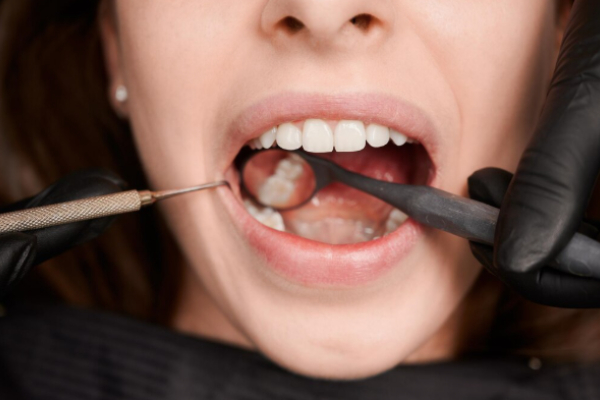
Wisdom tooth removal is a dental procedure performed to extract one or more third molars from the back of the mouth.
Although most patients do not experience pain during the procedure because the treatment area is numbed with local anaesthesia, it’s completely normal to have concerns about what the overall experience feels like. If you’re wondering how much discomfort to expect during surgery and throughout recovery, explore our detailed guide on is wisdom tooth removal painful. It explains pain levels at each stage of treatment, available anaesthesia options, common post-operative symptoms, and practical tips for managing discomfort after wisdom tooth extraction.
The procedure may involve:
- Simple extraction
- Surgical removal
- Removal of impacted teeth
- Removal of partially erupted teeth
The appropriate treatment depends on the tooth’s position, root development, and surrounding bone.
Why Do Wisdom Teeth Need to Be Removed?
Not every wisdom tooth requires removal. However, dentists often recommend extraction when the tooth causes problems or is likely to create complications in the future.
Common Reasons for Removal
Wisdom teeth may need to be removed because of:
- Impaction
- Tooth decay
- Gum infection
- Recurrent pain
- Food trapping
- Cysts
- Damage to neighbouring teeth
- Orthodontic concerns
Early treatment often prevents more complicated dental problems later.
Pro Tips : Even if your wisdom tooth isn’t causing pain today, regular dental examinations can detect hidden problems before symptoms appear.
Signs You May Need Wisdom Tooth Removal
Symptoms vary from person to person.
Common warning signs include:
- Jaw pain
- Swollen gums
- Difficulty chewing
- Bad breath
- Unpleasant taste
- Red or bleeding gum
- Facial swelling
- Difficulty opening the mouth fully
Some impacted wisdom teeth produce no symptoms at all and are only discovered during routine dental X-rays.
Types of Wisdom Tooth Removal
The complexity of treatment depends on how the wisdom tooth has developed.
Simple Wisdom Tooth Extraction
A simple extraction is suitable when the wisdom tooth has fully erupted above the gum line.
The dentist gently loosens and removes the tooth using specialised dental instruments.
Recovery is generally faster.
Surgical Wisdom Tooth Removal
Surgical removal is necessary when the tooth is:
- Impacted
- Partially erupted
- Covered by bone
- Growing sideways
A small incision is made to access the tooth, and the tooth may be divided into smaller sections for easier removal.
Pro Tips : Surgical removal may sound intimidating, but modern techniques and effective anaesthesia make the procedure comfortable for most patients.
What Happens During Wisdom Tooth Removal?
Many patients feel less anxious once they understand the treatment process.
Step 1: Consultation
Your dentist evaluates:
- Symptoms
- Medical history
- Tooth position
- Gum condition
- X-rays
This helps determine whether simple extraction or surgery is required.
Step 2: Anaesthesia
Local anaesthesia is administered to numb the treatment area.
For more complex procedures, sedation options may also be discussed.
Step 3: Tooth Removal
Depending on the tooth position, your dentist will:
- Remove the tooth directly
- Create a small incision
- Remove surrounding bone if necessary
- Divide the tooth into sections
The procedure is performed carefully to minimise trauma.
Step 4: Cleaning and Sutures
The area is cleaned thoroughly. Stitches may be placed to promote healing.
Step 5: Recovery Instructions
Patients receive detailed aftercare guidance, including:
- Pain management
- Diet recommendations
- Oral hygiene advice
- Activity restrictions
Following these instructions helps support smooth healing.
Is Wisdom Tooth Removal Painful?
This is one of the most common concerns among patients.
During the procedure, local anaesthesia prevents pain, although pressure sensations may still be felt.
After surgery, mild discomfort, swelling, and stiffness are expected but are usually well controlled with prescribed medication and proper aftercare.
Most patients find that recovery is easier than they anticipated.
Pro Tips : Applying cold compresses during the first 24 hours can significantly reduce swelling and improve comfort.
Recovery After Wisdom Tooth Removal
Recovery times vary depending on the complexity of the procedure.
| Recovery Stage | Typical Experience |
|---|---|
| Day 1 | Mild bleeding, swelling begins |
| Days 2–3 | Peak swelling and mild discomfort |
| Days 4–7 | Symptoms gradually improve |
| Week 2 | Most patients return to normal activities |
| Several Weeks | Complete healing of deeper tissues |
Following your dentist’s advice can help reduce complications.
Foods to Eat During Recovery
Soft foods are recommended while the extraction site heals.
Good options include:
- Yogurt
- Mashed potatoes
- Soup
- Scrambled eggs
- Smoothies (without straws)
- Oatmeal
- Soft pasta
- Rice porridge
Avoid hard, crunchy, spicy, or sticky foods until healing progresses.
Possible Risks and Complications
Although wisdom tooth removal is a routine procedure, all surgeries carry some risks.
Potential complications include:
- Dry socket
- Infection
- Prolonged bleeding
- Temporary numbness
- Swelling
- Limited jaw opening
Fortunately, these complications are uncommon when patients carefully follow post-operative instructions.
Pro Tips : Avoid smoking, drinking through straws, and vigorous rinsing during the first few days, as these actions can interfere with healing.
Benefits of Early Wisdom Tooth Removal
Removing problematic wisdom teeth early offers several advantages.
Benefits include:
- Prevents infection
- Protects neighbouring teeth
- Reduces future pain
- Prevents cyst formation
- Easier healing in younger patients
- Lower surgical complexity
Early intervention often leads to smoother recovery and fewer long-term complications.
How Much Does Wisdom Tooth Removal in Tampines Cost?
The cost depends on several factors, including:
- Type of extraction
- Number of teeth removed
- Surgical complexity
- Imaging requirements
- Anaesthesia options
A personalised consultation allows your dentist to assess your condition and provide a treatment plan with an accurate cost estimate.
Why Choose an Experienced Dental Team?
Wisdom tooth removal requires careful diagnosis, precise treatment planning, and gentle surgical techniques. An experienced dental team uses modern diagnostic imaging and minimally invasive approaches to reduce discomfort while promoting faster healing.
Patients also benefit from comprehensive consultations, personalised aftercare instructions, and ongoing follow-up to ensure a smooth recovery.
Pro Tips : Choosing an experienced dentist helps reduce the likelihood of complications and improves your overall treatment experience.
Recovery Checklist After Wisdom Tooth Removal
First 24 Hours
- Bite gently on gauze
- Rest at home
- Apply cold compresses
- Eat soft foods
- Take prescribed medication
First Week
- Brush carefully
- Rinse gently when instructed
- Avoid smoking
- Avoid alcohol
- Attend follow-up appointments
Small daily habits make a significant difference in promoting healthy healing.
Conclusion: Looking for Wisdom Tooth Removal in Tampines?

If you’re looking for wisdom tooth removal in Tampines, choosing an experienced dental team can make your treatment safer, more comfortable, and more predictable. Whether you require a simple extraction or surgical removal of an impacted wisdom tooth, early diagnosis and professional care help prevent future complications while protecting your long-term oral health.
At Ivory Dental Singapore, our experienced dentists provide personalised wisdom tooth assessments using advanced diagnostic technology and evidence-based treatment techniques. We carefully evaluate your oral condition, explain every step of the procedure, and create a customised treatment plan that prioritises your comfort, safety, and recovery.
From your initial consultation through post-operative care, our team is committed to delivering compassionate treatment and helping you achieve a smooth recovery. If you’re experiencing wisdom tooth pain or have been advised to consider extraction, contact Ivory Dental Singapore today to schedule your consultation and take the first step toward a healthier, pain-free smile.
FAQs (Frequently Asked Questions)
How long does the procedure take?
Simple extractions may take 20–40 minutes, while surgical cases often require longer.
Can I return to work the next day?
Many patients resume light activities within one or two days, although surgical cases may require additional recovery time.
Is general anaesthesia necessary?
Most wisdom tooth removals are performed comfortably under local anaesthesia.
Will all four wisdom teeth be removed together?
This depends on your oral health, symptoms, and your dentist’s recommendation.
What happens if I don’t remove an impacted wisdom tooth?
Untreated impacted teeth may increase the risk of infection, tooth decay, gum disease, cyst formation, and damage to adjacent teeth.